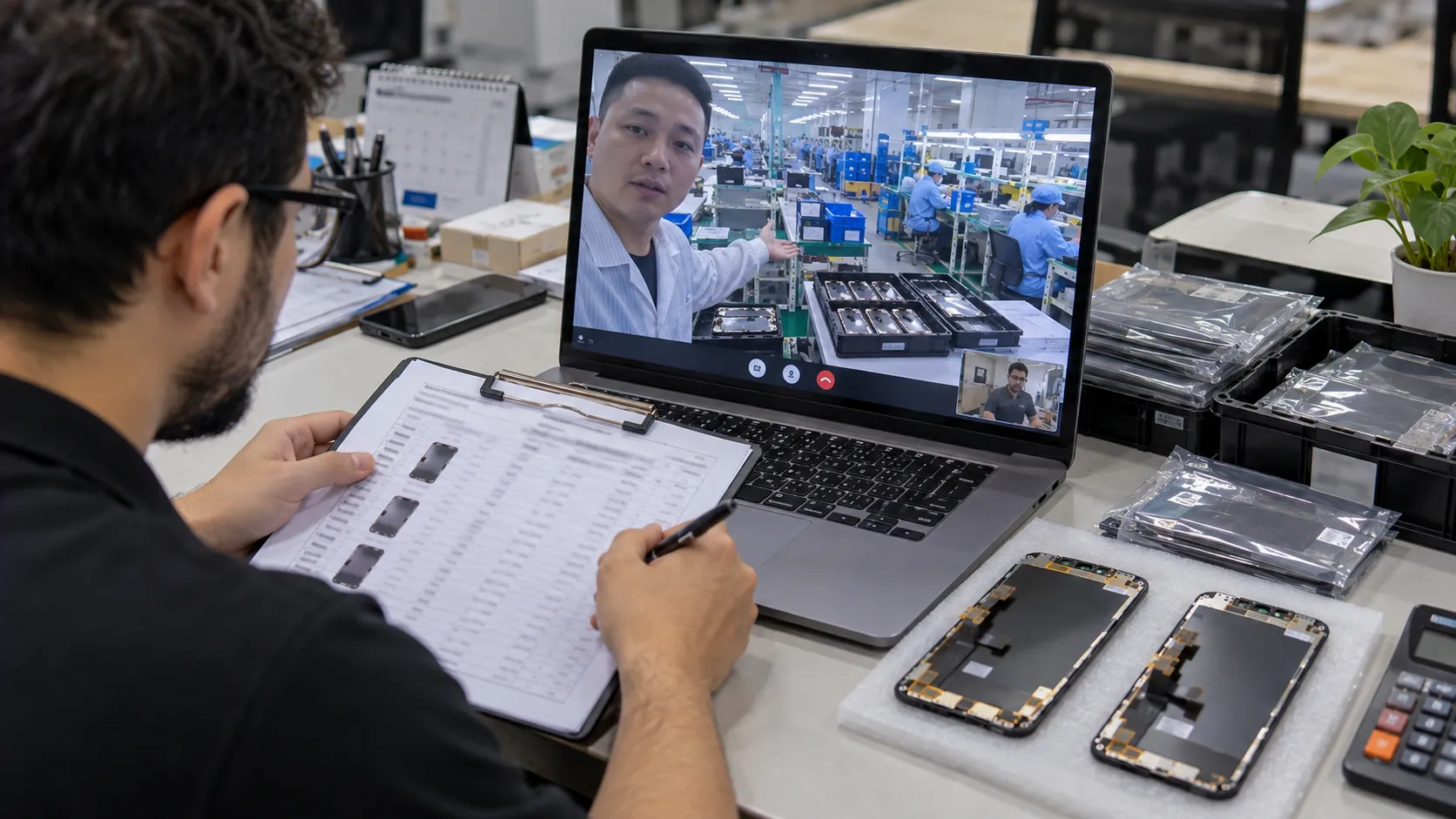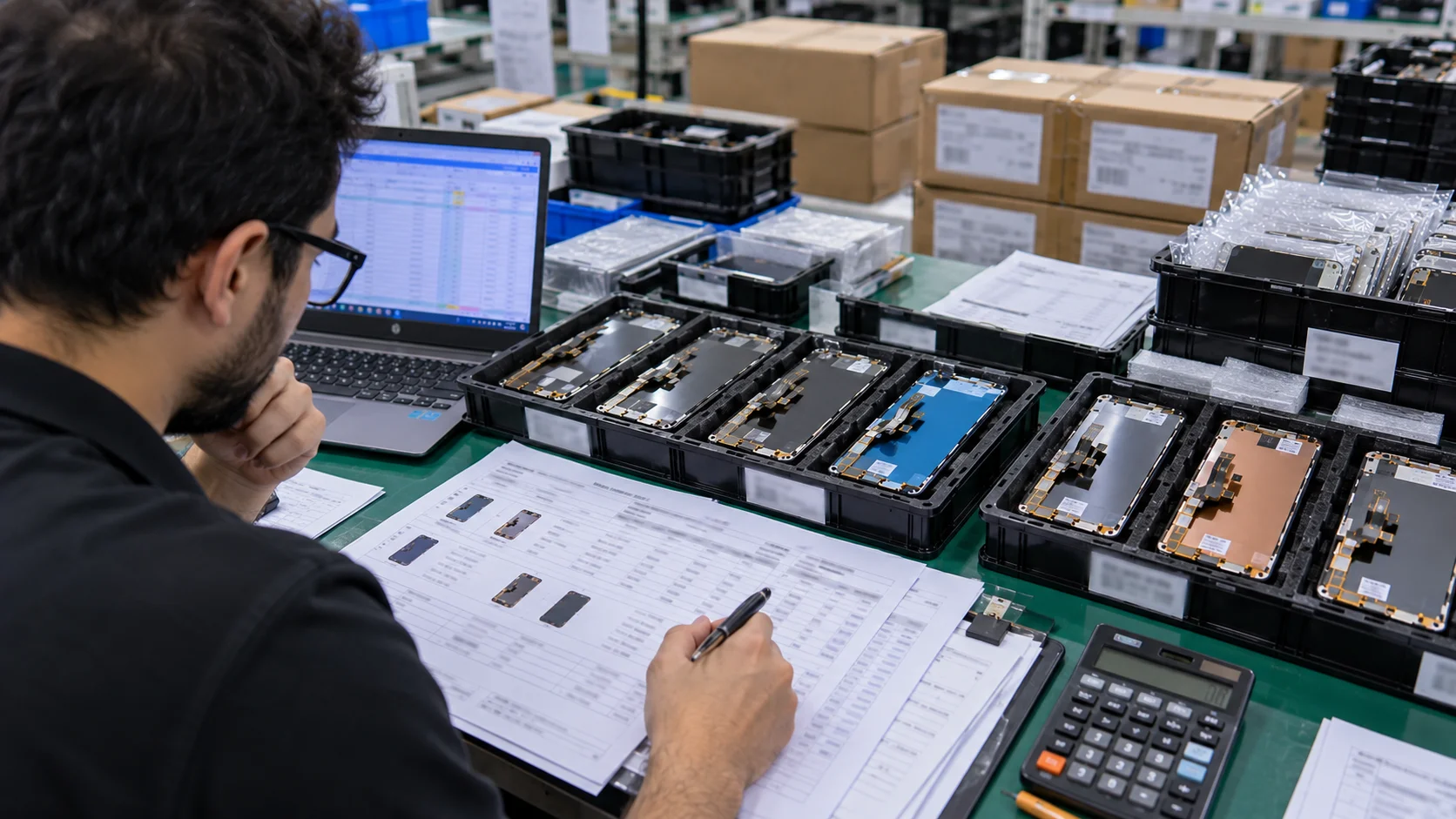
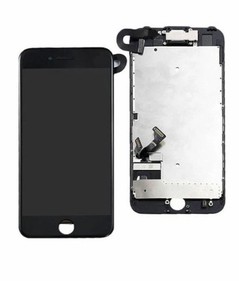
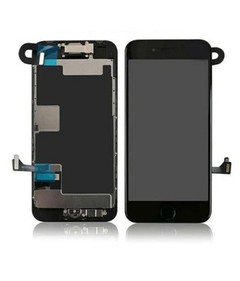
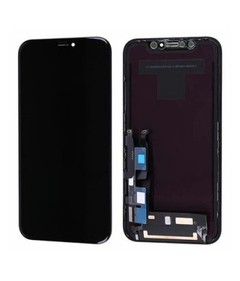
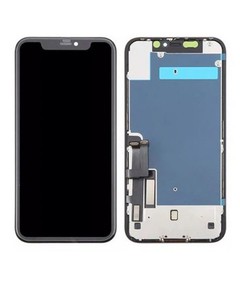
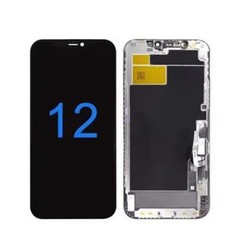
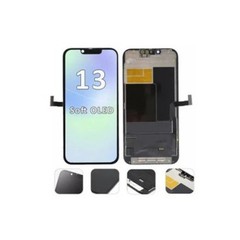
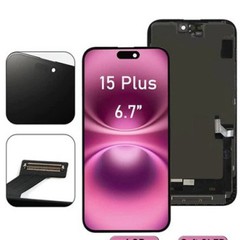
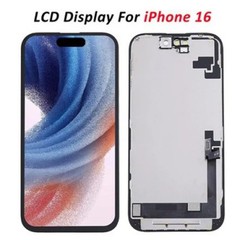
For iPhone screen distributors, repair chains, and mobile phone parts wholesalers, choosing the right display technology is not only about comparing unit prices. A screen that looks cheaper at the factory level may create higher costs later through installation issues, customer complaints, warranty claims, and inconsistent product quality.
During years of working with global mobile phone parts buyers, one question appears repeatedly:
Should wholesale buyers choose Incell LCD, Hard OLED, or Soft OLED for their replacement screen business?
The answer depends on several factors, including target market, customer expectations, order volume, product positioning, and after-sales requirements.
For some markets, Incell LCD offers the best balance between cost and reliability. For premium repair businesses, Soft OLED provides a closer original display experience. Hard OLED sits between these two options, offering OLED performance with more competitive pricing.
This guide explains the practical differences between these three technologies from a wholesale purchasing perspective, helping buyers make better decisions before placing bulk orders.
Why Wholesale Buyers Need to Compare Display Technology Before Bulk Orders?
Many buyers focus on the factory quotation first. However, experienced distributors understand that the lowest purchase price does not always mean the highest profit.
A successful wholesale screen business depends on several factors:
- Stable product quality
- Low return rates
- Consistent brightness and color performance
- Reliable touch response
- Supplier production capability
- Long-term inventory stability
A difference of only a few dollars per screen can become a major cost issue when ordering hundreds or thousands of units.
For example, a distributor purchasing 1,000 replacement screens may save money initially with a lower-grade product. However, if the return rate increases because of touch problems, display defects, or installation failures, the actual cost can become much higher.
Professional buyers usually evaluate the complete supply chain instead of only looking at the factory price.
Key Factors To Evaluate Before Choosing A Screen Technology
1. Customer Market Position
- Different markets have different expectations.
- A repair shop serving price-sensitive customers may prefer affordable and stable replacement solutions.
- A premium repair center targeting customers who want an original-like experience may choose OLED solutions.
- Understanding customer demand before purchasing helps avoid unnecessary inventory pressure.
2. Product Consistency
For wholesale buyers, one perfect sample is not enough.
A reliable supplier must maintain the same quality level across thousands of pieces.
Important inspection points include:
- Display brightness consistency
- Touch sensitivity
- Pixel performance
- Frame accuracy
- Flex cable quality
- IC stability
3. Long-Term Supplier Capability
A professional manufacturer should provide more than products.
Wholesale buyers should consider:
- Production capacity
- Quality control process
- Technical support
- Warranty policy
- Custom order flexibility
A stable supplier relationship helps distributors maintain customer trust.
Hard OLED vs Soft OLED vs Incell LCD: Technical Comparison for Wholesale Buyers
The three technologies serve different segments of the iPhone replacement market.
Understanding their differences helps buyers select the right product mix.
| Feature | Incell LCD | Hard OLED | Soft OLED |
|---|---|---|---|
| Display Technology | LCD | OLED | OLED |
| Cost Level | Low | Medium | Higher |
| Image Quality | Good | Better | Excellent |
| Flexibility | Standard | Limited | High |
| Thickness | Thicker | Thin | Thinner |
| Durability | Stable | Medium | Better |
| Market Position | Value Replacement | Mid-range OLED Replacement | Premium Replacement |

Incell LCD: Stable Choice for High-Volume Replacement Markets
Incell LCD integrates the touch layer into the display structure, reducing thickness while maintaining competitive production costs.
For many wholesale buyers, Incell LCD remains a practical choice because:
- Production technology is mature
- Supply availability is stable
- Cost performance is attractive
- Suitable for large-volume orders
Especially for LCD-based iPhone models, Incell solutions continue to have strong demand in global aftermarket markets.
Hard OLED: Affordable OLED Experience
Hard OLED uses a glass substrate, making it more cost-effective compared with Soft OLED.
Its main advantages include:
- OLED color performance
- Lower purchasing cost
- Slimmer design compared with LCD
However, because the structure is less flexible, buyers should pay attention to installation quality and supplier manufacturing standards.
Hard OLED is commonly selected by distributors who want to enter the OLED replacement market while maintaining competitive pricing.
Many distributors choose Incell products because their customers prioritize reliability and reasonable pricing.
Soft OLED: Premium Replacement Solution
Soft OLED uses a flexible substrate, allowing the display to achieve a thinner and more flexible structure.
Its advantages include:
- Better bending performance
- Closer original display characteristics
- Premium customer experience
For markets where customers compare replacement screens directly with original displays, Soft OLED can provide stronger product value.
The higher cost means buyers should carefully evaluate whether their target customers are willing to pay for the premium experience.
Choosing Between Incell LCD and OLED: What Matters in a Professional Manufacturer?
When comparing an Incell LCD vs OLED iPhone screen manufacturer, buyers should look beyond product categories.
A professional factory should understand both LCD and OLED supply chains because each technology requires different production knowledge.
Important capabilities include:
Material Control
High-quality screens depend on reliable materials:
- LCD panels
- OLED panels
- IC components
- Touch sensors
- Flex cables
Poor-quality materials can create inconsistent batches.
Manufacturing Experience
A factory with years of production experience understands common issues such as:
- Touch failure
- Display color differences
- Frame fitting problems
- Component compatibility
Quality Inspection System
Before shipment, professional suppliers normally perform multiple inspection stages:
- Incoming material inspection
- Assembly inspection
- Display testing
- Touch testing
- Final quality check
For wholesale buyers, supplier quality control is often more important than a small price difference.
How to Select a Reliable Incell iPhone LCD Screen Supplier?
For wholesale buyers, selecting the right supplier is one of the most important decisions in building a stable mobile phone parts business.
A good product sample does not always represent long-term production quality. Many buyers experience problems after large orders because the supplier cannot maintain consistency between different production batches.
When choosing an Incell iPhone LCD Screen supplier, professional buyers usually evaluate five key areas:
1. Factory Production Experience
A reliable supplier should have real manufacturing experience rather than only acting as a trading company.
Experienced factories understand:
- Display compatibility requirements
- Touch performance standards
- Assembly accuracy
- Quality inspection procedures
- Packaging requirements for international shipping
For wholesale customers, working directly with an experienced manufacturer can reduce communication problems and improve order stability.
A factory with strong production knowledge can also provide better technical support when customers encounter installation feedback.
2. Quality Control System
Quality control is the foundation of successful bulk purchasing.
A professional display manufacturer normally follows several inspection stages:
Incoming Material Inspection
Before production begins, materials should be checked for:
- LCD panel quality
- IC performance
- Flex cable condition
- Frame accuracy
- Touch component stability
Assembly Inspection
During production, technicians monitor:
- Display installation accuracy
- Touch response
- Brightness performance
- Color consistency
- Physical appearance
Final Inspection Before Shipment
Before products leave the factory, finished screens should be tested again.
Common final tests include:
- Dead pixel inspection
- Touch function testing
- Display uniformity testing
- Full assembly checking
This multi-stage inspection process helps reduce quality problems after delivery.

3. Stable Supply Capacity
Wholesale buyers need suppliers who can support continuous orders.
A supplier may provide a good sample, but the real test is whether they can maintain:
- Same quality level
- Same specifications
- Stable delivery schedule
- Consistent packaging standards
For distributors managing regular customers, supply stability is often more valuable than a temporary low price.
4. Warranty and After-Sales Support
A professional supplier should have a clear warranty process.
Before cooperation, buyers should understand:
- Warranty period
- Defective product handling
- Replacement policy
- Technical communication process
A transparent after-sales system helps wholesalers protect their own reputation.
5. Ability to Support Different Market Requirements
Different countries have different customer expectations.
For example:
| Market Type | Common Buyer Priority |
|---|---|
| Repair chains | Stable quality and low failure rate |
| Online sellers | Product appearance and customer reviews |
| Wholesale distributors | Price, supply stability, warranty |
| Premium repair shops | Display experience and quality |
A flexible supplier can provide better solutions based on different market demands.
Incell LCD vs OLED iPhone Screen Manufacturer: How Buyers Should Evaluate Suppliers?
When searching for an Incell LCD vs OLED iPhone screen manufacturer, buyers should understand that LCD and OLED products require different manufacturing knowledge.
The best supplier is not simply the one offering the lowest quotation.
Instead, buyers should evaluate whether the manufacturer can provide:
- Consistent production quality
- Multiple display technology options
- Professional QC procedures
- Technical support
- Reliable bulk order management
A factory that understands both Incell LCD and OLED products can help buyers select the right solution for different customer groups.
For example:
A distributor may need:
- Incell LCD for high-volume replacement customers
- Hard OLED for mid-range OLED demand
- Soft OLED for premium repair markets
Working with one experienced manufacturer can simplify purchasing management and improve inventory efficiency.
Wholesale Buying Strategy: Choosing the Right Screen Technology Mix
Experienced distributors rarely depend on only one screen technology.
Instead, they usually create a product mix based on customer demand.
A balanced inventory strategy may include:
| Customer Segment | Recommended Product Choice |
| Price-sensitive repair shops | Incell LCD |
| High-volume distributors | Incell LCD + Hard OLED |
| Premium repair centers | Soft OLED |
| Online marketplace sellers | Mix based on customer reviews |
This approach allows businesses to serve different customers without carrying unnecessary inventory risks.
Why Incell LCD Still Has Strong Demand in the Wholesale Market
Although OLED technology continues to grow, Incell LCD remains an important category in the aftermarket display industry.
The reason is simple:
Large numbers of LCD-based iPhone models are still actively used worldwide.
Many customers do not require the highest display specification. They need:
- Reliable replacement performance
- Affordable repair cost
- Good touch response
- Stable daily usage
For this reason, many wholesalers continue purchasing Incell iPhone LCD screens wholesale because they offer a strong balance between product cost and market demand.
The most successful distributors understand that different customers have different budgets.
A professional product strategy is not about choosing the most expensive screen. It is about choosing the right screen for the right market.
Common Mistakes Wholesale Buyers Make When Purchasing iPhone Screens
Even experienced buyers can face problems when selecting suppliers.
Below are common mistakes seen in the industry.
Mistake 1: Only Comparing Factory Price
The lowest quotation may not provide the lowest total cost.
Hidden costs may include:
- Higher defect rates
- Customer returns
- Replacement shipping
- Lost sales opportunities
Mistake 2: Testing Only Small Samples
Small sample testing is necessary, but it cannot fully represent large-scale production.
Professional buyers should evaluate:
- Batch consistency
- Long-term supplier performance
- Production capability
Mistake 3: Ignoring Quality Documentation
Reliable suppliers should be able to explain:
- Product specifications
- Testing standards
- Quality procedures
- Warranty terms
Clear information reduces purchasing risks.
Mistake 4: Choosing Suppliers Without Technical Support
Mobile display products involve technical details.
A supplier who understands installation problems can help buyers solve issues faster and protect customer relationships.
How Wholesale Buyers Can Improve Profitability Through Better? Screen Selection
Profitability in the mobile parts industry depends on more than buying cheap products.
Successful distributors usually focus on:
Lower Return Rate
A slightly higher-quality product may create better profit because fewer customers request replacements.
Better Customer Satisfaction
Reliable screens create repeat business.
Stable Inventory Planning
Understanding customer demand prevents overstocking and improves cash flow.
A professional supplier relationship helps buyers make better purchasing decisions over time.
Practical Recommendation: Which Screen Should Wholesale Buyers Choose?
There is no single technology that fits every market.
The correct choice depends on business positioning.
Choose Incell LCD when:
- Customers focus on affordable repairs
- Order volume is high
- Stable supply is important
Choose Hard OLED when:
- Customers want OLED performance
- Price competitiveness is important
- You need a mid-range replacement option
Choose Soft OLED when:
- Customers expect premium quality
- Original-like experience matters
- Higher product value can be accepted
The most experienced distributors usually combine different technologies instead of relying on only one product category.

Frequently Asked Questions About Hard OLED, Soft OLED and Incell LCD
Is Incell LCD better than OLED for wholesale buyers?
There is no universal answer because the best choice depends on customer demand and market positioning.
For high-volume replacement markets, Incell LCD is often preferred because it provides a good balance between cost, reliability, and availability.
For customers who want better color performance and a thinner display design, OLED options may provide more value.
Wholesale buyers should consider:
- Target customer expectations
- Selling price range
- Repair market requirements
- Expected profit margin
- Supplier quality consistency
The right technology is the one that matches the needs of your customers.
What is the difference between Hard OLED and Soft OLED?
The main difference is the substrate structure.
Hard OLED uses a glass substrate, which makes it more affordable but less flexible.
Soft OLED uses a flexible substrate, allowing a thinner structure and better durability during installation.
The main comparison:
| Feature | Hard OLED | Soft OLED |
|---|---|---|
| Substrate | Glass | Flexible |
| Price | More affordable | Higher |
| Flexibility | Lower | Higher |
| Market Position | Mid-range replacement | Premium replacement |
| Customer Experience | Good | Closer to original |
How can I find a reliable Incell iPhone LCD Screen supplier?
A reliable supplier should have:
- Real factory production capability
- Strict quality control procedures
- Stable batch consistency
- Clear warranty policy
- Professional technical support
When purchasing Incell iPhone LCD screens wholesale, buyers should focus on long-term cooperation rather than only comparing initial prices.
A stable supplier relationship helps reduce purchasing risks and improves customer satisfaction.
Which display technology is more profitable for iPhone screen wholesalers?
Profitability depends on the target market.
Incell LCD often provides strong volume opportunities because of competitive pricing and stable demand.
Hard OLED can provide a balance between product value and cost.
Soft OLED usually targets customers who are willing to pay more for premium quality.
Successful wholesalers usually build a product portfolio that covers different customer groups instead of selling only one type of screen.
Should wholesalers buy directly from an LCD factory?
For companies purchasing large quantities, working directly with a manufacturer can provide several advantages:
- Better communication
- More stable supply
- More competitive pricing
- Faster technical support
- Better customization options
However, buyers should still evaluate factory experience, quality control systems, and after-sales service before starting cooperation.
Conclusion: Choosing the Right Screen Technology for Long-Term Wholesale Success
The comparison between Hard OLED, Soft OLED, and Incell LCD is not simply a technology comparison. For wholesale buyers, it is a business decision involving cost, customer expectations, product reliability, and supplier capability.
Incell LCD remains a practical solution for many high-volume replacement markets because of its competitive cost and stable performance.
Hard OLED provides an affordable entry point into OLED replacement products, while Soft OLED serves customers who require a more premium display experience.
When selecting an Incell LCD vs OLED iPhone screen manufacturer, buyers should evaluate more than product pricing. Manufacturing experience, quality control, supply stability, and technical support all influence long-term business results.
For distributors looking for reliable Incell iPhone LCD screens wholesale solutions, working with an experienced manufacturer can help reduce purchasing risks and build stronger customer relationships.
A successful screen business is built on consistent quality, reliable supply, and choosing the right products for the right market.
Explore our iPhone replacement screen solutions and contact our factory team for wholesale cooperation.