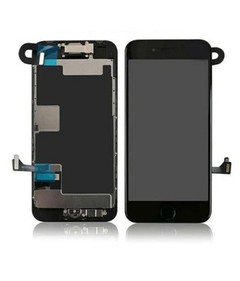
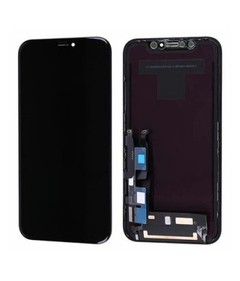
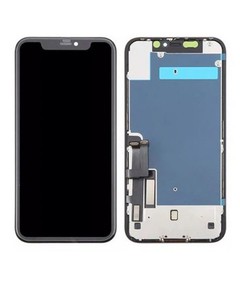
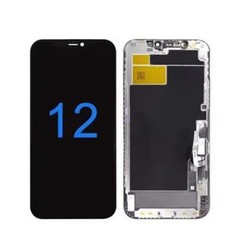

How to Compare iPhone LCD Quality Grades?

The key is not to choose the highest-sounding grade name - it's to compare the measurable performance, sample consistency and commercial risk behind that grade. If you purchase iPhone LCD screens in volume, you've likely noticed that "quality grade" means something different depending on who you ask: one supplier's "high copy" is another supplier's "premium," and neither label tells you how the screen will actually perform once it reaches your customers. This guide breaks down what actually separates one quality level from another, how to verify those differences through testing instead of taking a label at face value, and how to weigh quality against price, return risk and your target market before committing to a bulk order.
What Does "Quality Grade" Mean for iPhone LCD Screens?
There is no universal grading standard that every supplier in the aftermarket iPhone LCD industry follows. A name like "original," "high copy," "premium" or "standard" is meaningful only within the supplier who assigned it - it is not a certification issued by an outside body, and two suppliers can use the same term to describe screens with different actual performance.
It helps to separate three things that often get blurred together:
- A marketing label - the word printed on a packing list or product page, chosen to position the product commercially.
- An internal quality classification - a supplier's own sorting system, which may or may not be documented or consistent.
- Measurable, verifiable performance - what the screen actually does when tested: brightness, color accuracy, touch response, build quality, independent of what it's called.
For buyers, the key question isn't which grade name sounds better - it's what the grade actually guarantees, and how that guarantee is verified. A grade description with no specific, checkable criteria behind it isn't something you can build a purchasing decision on.
What Should Buyers Compare Between iPhone LCD Quality Grades?
Once you move past the label, the comparison should focus on characteristics that actually affect field performance and reflect on your business.
Display Performance
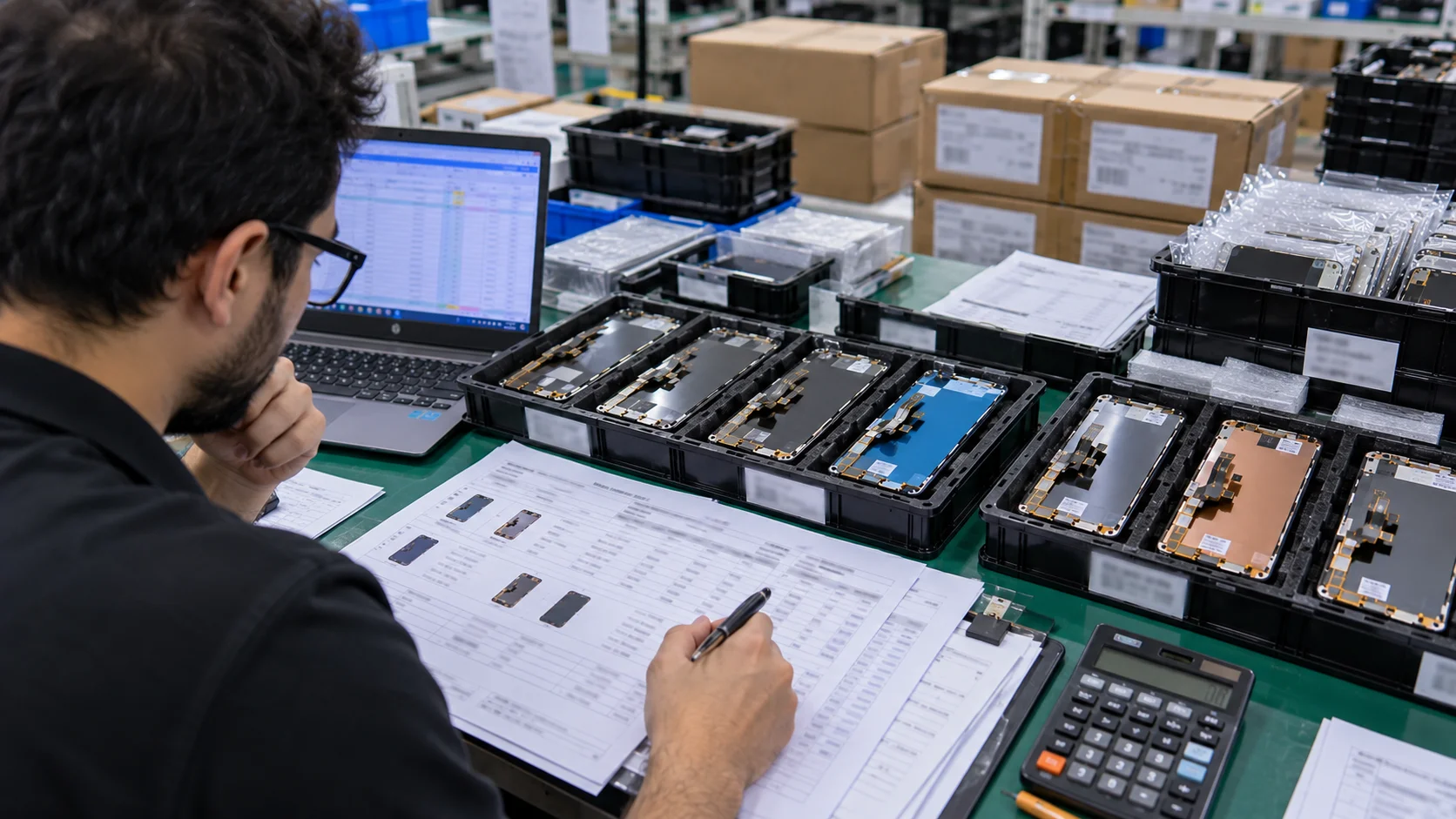
Compare brightness under normal viewing conditions, color consistency from unit to unit, image clarity, and any visible defects such as spots or discoloration. Judge these against a known-good reference screen rather than in isolation - a screen can look acceptable on its own and still fall short once compared directly to a higher-performing sample. Avoid relying on numerical brightness or color-gamut figures unless a supplier provides verified test data for the specific batch you're purchasing.
Touch Response
Touch performance is one of the most common sources of post-installation complaints, so it deserves deliberate testing rather than a quick tap during a video call with the supplier. Check response across the full surface - corners and edges included - and confirm multi-touch gestures register cleanly. A supplier's willingness to let you run this kind of structured test is itself a signal of how confident they are in the batch.
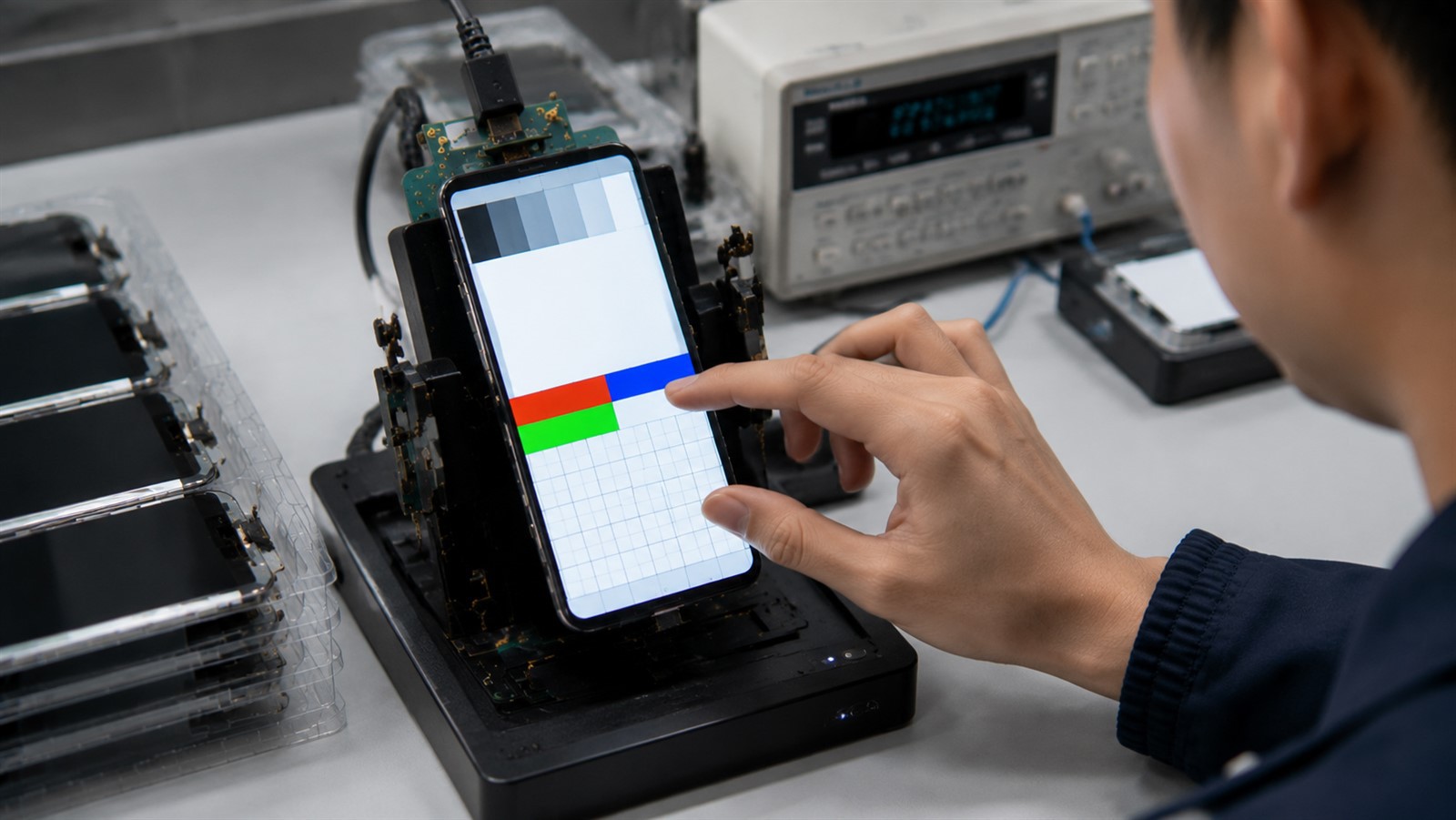
Backlight and Display Uniformity
Uneven illumination, backlight leakage around the edges, and unexpected bright or dark patches are common signs of a lower-quality panel - often visible only under specific lighting conditions or on darker content. These issues deserve a systematic check as part of a broader structured sample-testing process, not a quick glance at one unit in daylight.
Physical Fit and Assembly Quality
Compare frame fit, assembly consistency, and any visible physical defects across samples, including connector and assembly condition where applicable. Don't extend compatibility claims beyond what you've personally verified for a given model - tolerances that look fine on one sample don't guarantee identical results across an entire shipment.
Consistency Across Samples and Batches
For a wholesale buyer, one good screen is not enough. The real question is whether the supplier can reproduce that quality across the order. A single excellent sample shows what a supplier is capable of producing - it doesn't show what an entire production run will look like. That's why grade evaluation has to be tied to ongoing sample testing, incoming inspection and defect tracking, not a one-time judgment made on the first unit you receive.
Why the Same Quality Label Can Produce Different Buying Results?
Two suppliers can quote the "same" grade and still deliver noticeably different results. The label sits on top of variables a buyer usually can't see directly: how the supplier defines the grade internally, differences in components or materials, normal variation between production runs, and how thoroughly units are inspected before shipment.
Market positioning plays a role too. A supplier selling mainly into a price-sensitive market may calibrate their "standard" grade differently than a supplier positioned toward higher-expectation buyers, even using similar vocabulary. Instead of comparing grade names, ask what each grade guarantees and how the supplier verifies it - a supplier who can only offer a label is asking you to take their word for it.
Questions to Ask a Supplier About Each Quality Grade
A short, direct list of questions does more to separate suppliers than any label comparison. Before requesting samples, ask:
- What specific, checkable criteria define this grade?
- Which characteristics are inspected before the batch ships?
- How is bulk-production quality matched against the approved sample?
- What inspection or testing records can you provide for this batch?
- What happens - contractually - if the delivered batch doesn't meet the agreed criteria?
Specific answers backed by documented inspection steps are much easier for a buyer to evaluate than a grade name repeated a second time.
How to Compare iPhone LCD Quality Grades Before a Bulk Order?
Step 1: Define Your Market Requirements
Different customer segments tolerate different levels of imperfection. Before comparing suppliers, get clear on your target market, customer expectations, selling price point, expected usage conditions, and the return risk your business can absorb. A quality level that works for a budget-focused repair chain may be the wrong fit for a distributor supplying premium retail channels, and vice versa.
Step 2: Request Clear Supplier Specifications
Ask the supplier to specify, in writing, exactly what their stated grade includes - not just a name, but the criteria behind it. Don't fill gaps with assumed specifications the supplier hasn't confirmed.
Step 3: Test Representative Samples
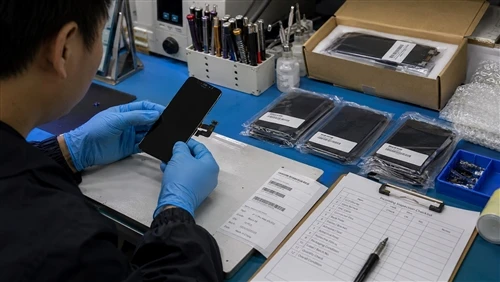
A single unit tells you what's possible, not what's typical. Test multiple samples under repeatable conditions so results are comparable across suppliers, not dependent on how each individual unit happened to be evaluated.
Step 4: Record the Results
Keep consistent records of what you observed across samples - display performance, touch response, uniformity, physical fit - so a decision made this quarter can be checked against a future batch, and so you have something concrete to reference if a dispute comes up later.
Step 5: Compare Quality Against Commercial Cost
Unit price is only one line in the real cost equation. Weigh it against the likely cost of returns, replacements, labor for reinstallation, warranty handling and customer complaints. A lower per-unit price that generates a meaningfully higher return rate is rarely the cheaper option once those downstream costs are counted.
Step 6: Confirm Bulk-Order Consistency
Before scaling from a small sample order to a full bulk purchase, confirm how the supplier verifies that production batches match the sample you approved. This is where sample quality and bulk-order quality most often diverge, and it deserves an explicit conversation rather than an assumption that good samples guarantee a good batch.
Quality-Grade Comparison Table
| Comparison Factor | What to Check | Why It Matters to B2B Buyers |
|---|---|---|
| Display quality | Clarity, visible defects, image consistency across samples | Directly affects end-customer satisfaction and visible complaint rate |
| Touch response | Full-surface response, multi-touch accuracy, edge sensitivity | A leading cause of post-installation returns if not verified before ordering |
| Brightness consistency | Comparable brightness across multiple samples, not just one unit | Inconsistent brightness across a batch signals uneven production quality |
| Color consistency | Color matching across samples under the same lighting | Visible color mismatch is a common reason customers request a replacement |
| Backlight uniformity | Leakage at edges, uneven illumination on dark screens | Often invisible in quick checks but a frequent driver of returns |
| Physical/assembly quality | Frame fit, connector condition, visible assembly defects | Poor fit increases installation time and damage risk for repair technicians |
| Sample consistency | Whether multiple samples from the same batch perform alike | Reveals whether one "good unit" is representative or an outlier |
| Batch consistency | Whether production batches match the approved sample over time | The core risk point when scaling from sample order to bulk order |
| Supplier QC process | Documented inspection steps, defect tracking, acceptance criteria | Indicates whether quality is actively controlled or simply hoped for |
| Commercial cost/risk | Unit price weighed against expected returns, labor and warranty exposure | The true cost of a purchasing decision, not just the quoted price |

Matching Quality Grade to Your Business Model
There's no single quality level that's universally "best" - the right choice depends on your commercial situation, not on which grade name sounds most impressive.
- Price-sensitive wholesalers in highly competitive markets often prioritize cost efficiency, but still need a quality floor sufficient to keep return rates manageable - a grade that's too low can quietly erase the price advantage through complaints and replacements.
- Professional repair businesses working directly with end customers typically weigh reputation and warranty exposure heavily, since a visible display or touch issue lands directly on their customer relationship.
- Distributors reselling to a mix of downstream buyers often need a quality level that's defensible across different customer expectations, since they're rarely selling to just one type of buyer.
- Buyers serving higher-expectation markets generally need to prioritize consistency and verified quality control over unit price, since complaints carry a higher reputational cost in these segments.
The better approach is to match the quality level to your target customers, selling price and acceptable return risk - not to rank grades from best to worst in the abstract.
Common Mistakes Buyers Make When Comparing Quality Grades
- Choosing based only on the grade name. A label with no defined criteria behind it tells you almost nothing about actual performance.
- Comparing only unit prices. Ignoring downstream costs like returns and labor often turns an apparent bargain into the more expensive option over a full order cycle.
- Testing only one sample. A single unit can be an outlier in either direction, leading to surprises once a full batch arrives.
- Failing to define acceptance criteria in advance. Without documented criteria, disagreements about "acceptable quality" tend to surface only after a batch has already been unpacked.
- Assuming sample quality guarantees bulk quality. Production runs vary, and a supplier's best sample isn't automatically representative of a full shipment.
- Ignoring batch consistency. Strong performance on one order doesn't guarantee the same on the next, especially without an ongoing verification process.
- Failing to clarify warranty responsibility before ordering. Ambiguity here becomes expensive precisely when it matters most - after a defect turns up in a live batch.
- Mixing quality levels without proper labeling or inventory control. This creates internal confusion and risks fulfilling orders with the wrong grade, damaging trust with your own customers.
- Ordering without understanding the supplier's QC process. Without insight into how a supplier inspects and sorts product, a grade name is essentially unverifiable.
From Quality Grade to Verified Performance
A grade comparison on paper is only useful once it's backed by sample testing and batch verification. Before committing to a bulk order, work through an iPhone LCD incoming inspection checklist that turns "the supplier says this is premium grade" into a documented, comparable evaluation - and connect that evaluation to the broader iPhone LCD quality control process that wholesale buyers should follow from first inquiry through repeat ordering.
The models you're sourcing matter here too. Buyers evaluating grades for an iPhone 12 LCD replacement screen or an iPhone 13 LCD screen should apply the same comparison framework consistently, since quality variation between suppliers can differ from one model to the next even within the same nominal grade.

Frequently Asked Questions
How should wholesalers compare iPhone LCD quality grades?
By looking past the grade name to measurable performance - display quality, touch response, uniformity and physical fit - verified through multiple samples, and by confirming how the supplier controls consistency across full production batches, not just the sample unit.
Are iPhone LCD quality grades standardized across the industry?
No. There's no universal, third-party grading standard for aftermarket iPhone LCD screens. Grade names are defined by individual suppliers, so the same label can represent different performance levels depending on who's using it.
How can buyers verify a supplier's claimed quality grade?
By requesting specific, written criteria behind the stated grade and testing multiple representative samples against those criteria rather than accepting the label at face value.
How many samples should a wholesaler test before placing a bulk order?
More than one. A single unit can be an outlier, so testing multiple samples under consistent conditions gives a more reliable picture of what an actual batch is likely to deliver.
Does sample quality guarantee bulk-order quality?
No. Samples show what a supplier is capable of producing, not what an entire production run will consistently deliver. Batch consistency needs to be verified separately, typically through incoming inspection on the actual shipment.
Which quality level is suitable for a price-sensitive market?
It depends on the return risk your business can absorb and your customers' expectations. A lower-cost grade can work well if it still meets a quality floor that keeps complaints and returns manageable.
What should buyers ask suppliers before ordering?
Ask what the stated grade specifically guarantees, how batches are inspected before shipment, how consistent past batches have been, and how warranty responsibility is handled if defects are found after delivery.
Next Step
If you're comparing iPhone LCD quality levels for a wholesale purchase, share your target models, order quantities, destination market and quality requirements, and request representative LCD samples and our sample-testing checklist before you place a bulk order.