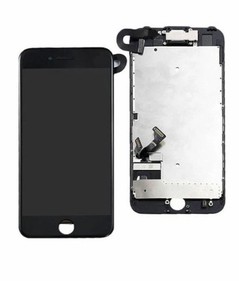
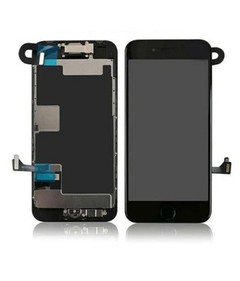
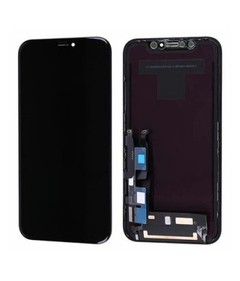
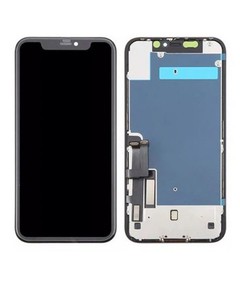
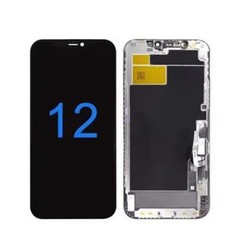
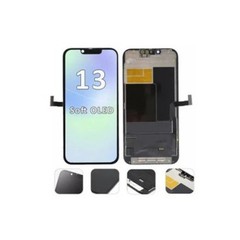
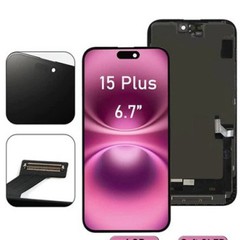
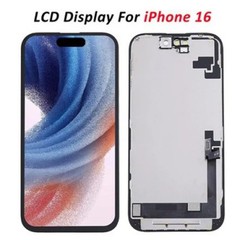
I've had this conversation probably a thousand times over the past ten years.
A repair shop owner emails us asking for "the best iPhone screen." We ask what they mean by best - do they mean lowest cost per unit, lowest return rate, best color accuracy for their customers, or some combination of all three? And more often than not, the reply comes back: "I didn't know there were different types."
That's the gap we want to close with this article.
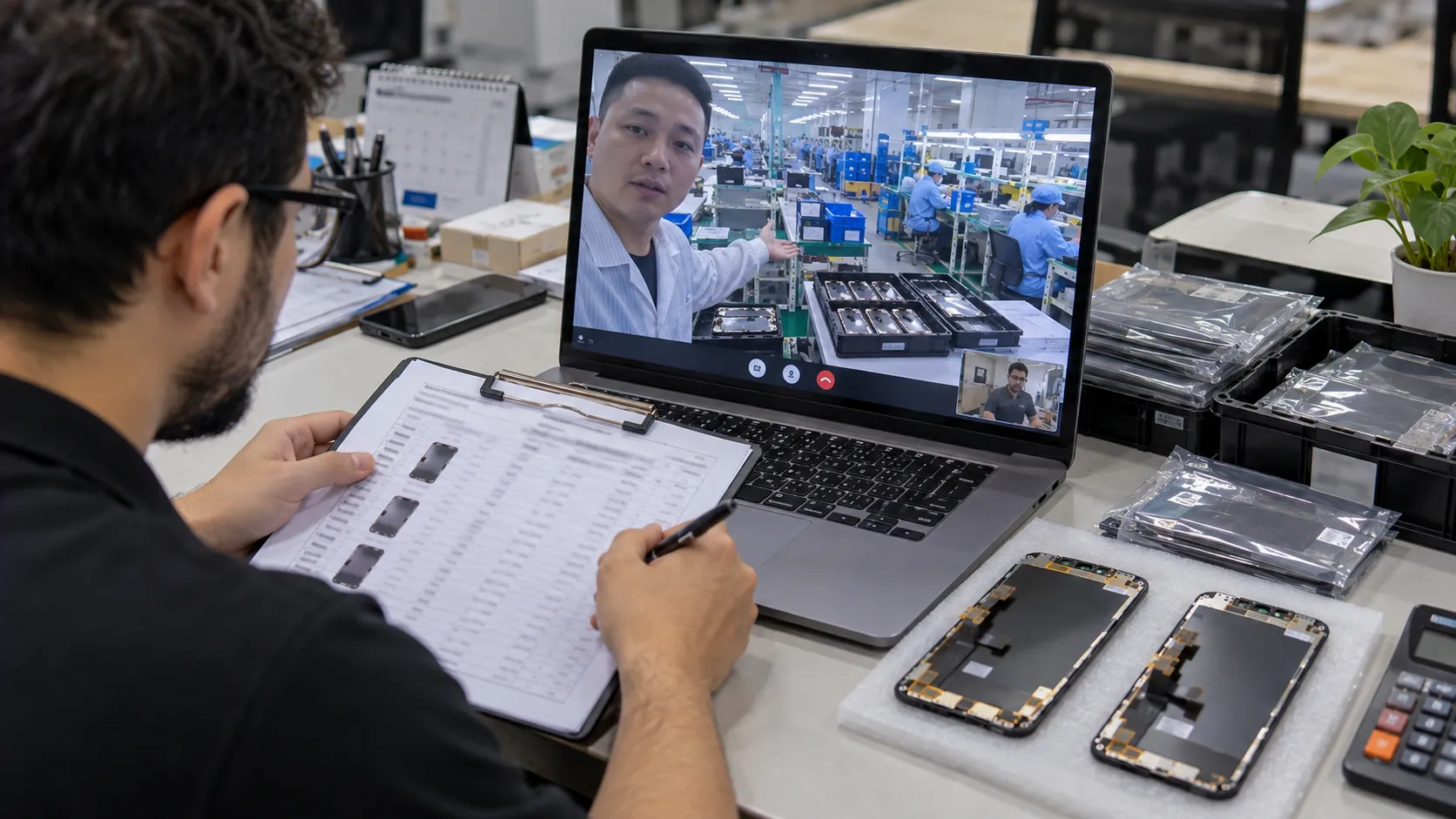
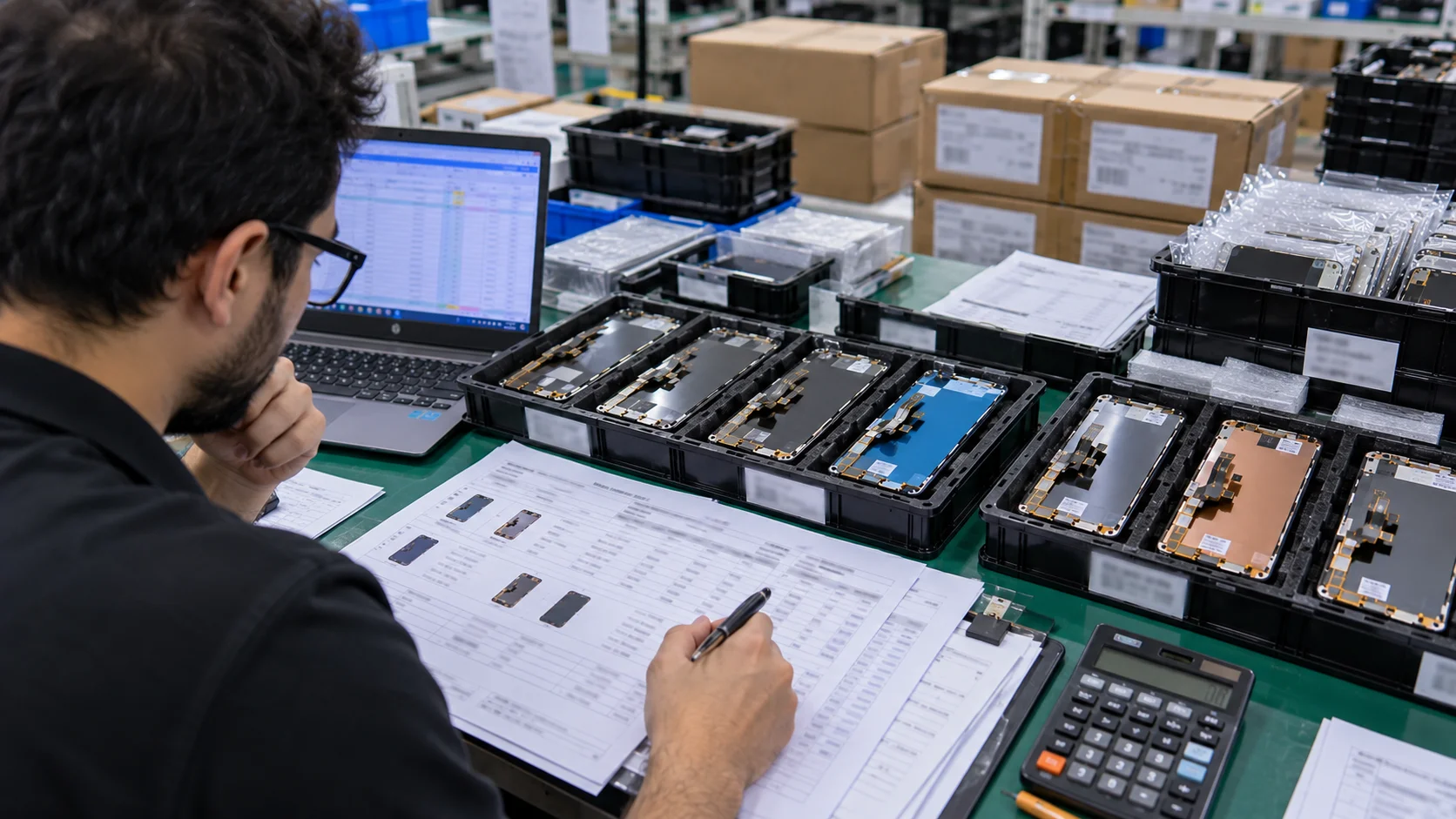
At our factory in Shenzhen, we produce and ship iPhone LCD screens across three quality grades. Every week we send wholesale orders to repair chains in the UK, distributors in the UAE, and independent shops across Southeast Asia. The single most common mistake we see buyers make - especially first-time importers - is choosing a grade based on price alone, without understanding what they're actually getting and what it costs them on the back end.
This guide breaks down each grade honestly. Not to sell you the most expensive option. But to help you stock the right product for your market.
First, Why Does Screen Grade Matter More Than You Think?
Here's a number that surprises most people: for a typical repair shop doing 30–50 iPhone screen jobs per week, a 3% return rate difference between screen grades translates to roughly 1–2 comebacks per week. Multiply that by your labor cost, your parts replacement cost, and the customer goodwill you lose - and suddenly the $2–4 price difference per unit doesn't look like savings anymore.
Grade matters because it determines three things: how the screen looks right out of the box, how it holds up over 12–18 months of use, and how often it causes problems that come back to your bench.
Grade 1: Incell LCD
What it is: Incell is a manufacturing process where the touch layer is integrated directly into the LCD panel itself, rather than being laminated as a separate layer on top. Apple originally adopted this technology starting with the iPhone 6, and it became the standard for LCD iPhones through the iPhone 11.
From a wholesale buyer's perspective, incell is the most widely stocked aftermarket grade. When a supplier quotes you "standard" or "AAA" LCD screens, this is usually what they mean - though quality within incell varies enormously by component source.
What you actually get:
- Display brightness typically in the 400–500 nit range
- Touch response that's smooth and accurate under normal conditions
- Good color reproduction, though slightly cooler than the original Apple panel in most cases
- Standard flex cable and frame construction
The real-world issue we see most often: Color temperature inconsistency between batches. This is the one complaint we hear from repair chains the most. A shop stocks 50 units of iPhone 11 incell screens, uses 30 of them without issue, then installs the next batch and a customer immediately says "the screen looks different." That's a batch variance problem, not an incell problem - but it happens when the polarizer or backlight source isn't held to tight tolerances by the manufacturer.
At our factory, we run color temperature calibration checks on every production batch against a reference panel. Not every supplier does this. When you're sourcing incell screens wholesale, asking to see batch-to-batch color consistency data is a legitimate quality question, and any serious manufacturer should be able to answer it.
Who should buy incell: Budget-conscious repair markets, shops servicing older iPhone models (6 through 11), and businesses where customers are primarily looking for a functional, affordable repair rather than a premium-feel replacement. Incell is also the right call if you're running high volume and margin per unit matters more than a marginal reduction in return rates.
Typical wholesale price range (2026): iPhone 11 incell at MOQ 50 pcs runs roughly $9–13 per unit depending on component grade and supplier.
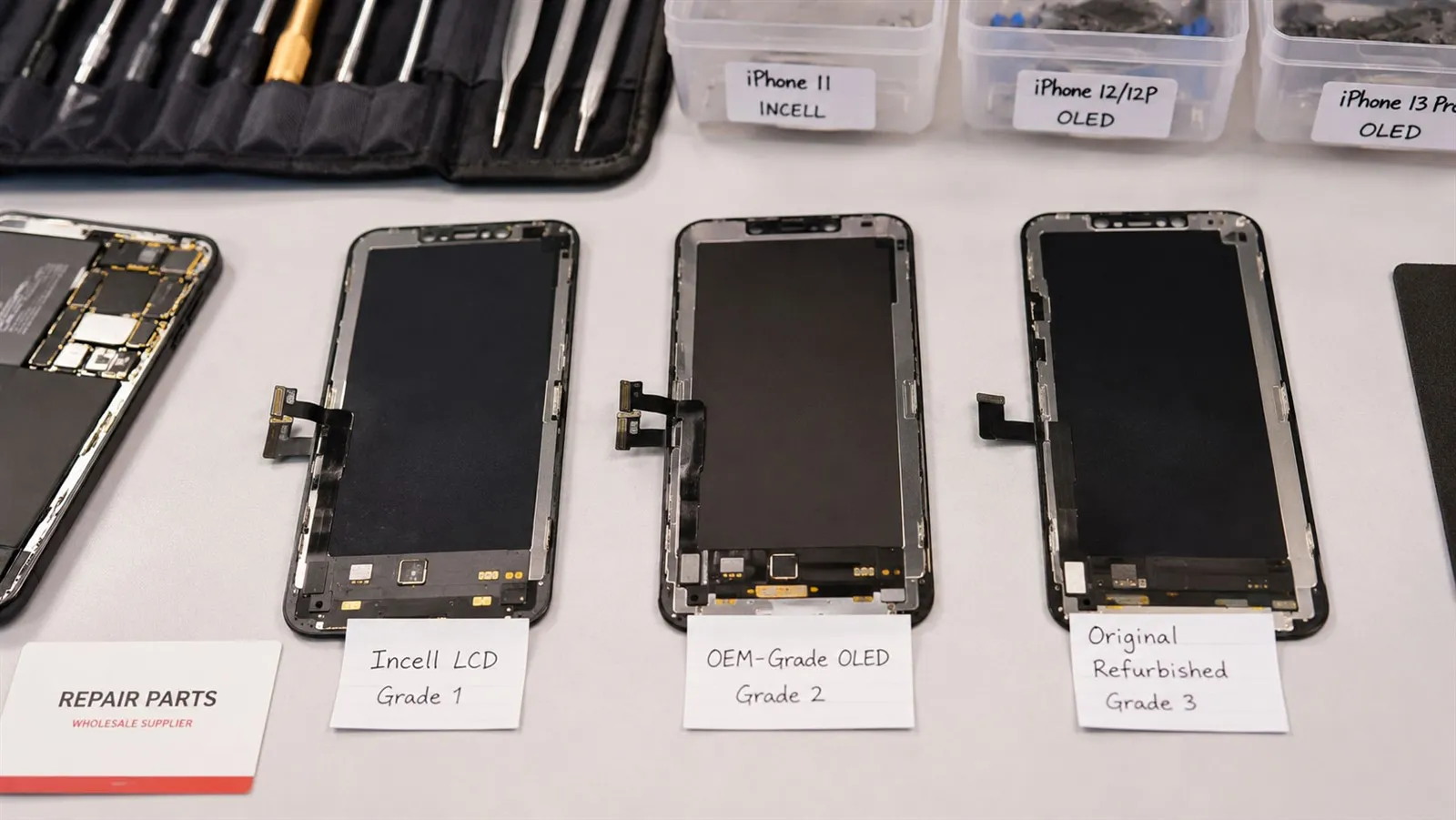
Grade 2: OEM-Grade / Hard OLED Aftermarket
What it is: This is where terminology gets confusing in the market, so let me be specific. "OEM-grade" in the aftermarket context refers to screens manufactured using original-specification components - same panel resolution, same touch IC spec, same brightness range - but not sourced through Apple's official supply chain.
For iPhone models that originally shipped with OLED (iPhone X and newer Pro lines), this category splits further into Hard OLED and Soft OLED. Hard OLED uses a more rigid panel structure. Soft OLED is closer to what Apple uses in its flagship devices - thinner profile, slightly better flexibility, and a display character that's harder to distinguish from the original in everyday use.
What you actually get:
- Display brightness closer to 600–700 nits, which customers notice in direct sunlight
- More accurate color calibration out of the box, particularly for skin tones and whites
- Touch response that's nearly indistinguishable from the original in daily use
- Lower long-term failure rates compared to standard incell, in our production and return data
The honest limitation: Price. OEM-grade screens cost meaningfully more per unit - typically 35–60% higher than incell depending on the model. For an iPhone 14, that gap can be $15–25 per screen. That's significant if you're running tight margins on a competitive high street.
There's also the True Tone question. OEM-grade aftermarket screens generally don't support True Tone without additional programming, and some customers notice this on newer models. It's worth setting that expectation at the point of sale rather than fielding a complaint three days later.
Who should buy OEM-grade: Shops in premium markets - Western Europe, North America, Australia - where customers expect a near-original experience and are paying for it. Multi-location repair chains that have built a brand around quality. Anyone handling insurance repairs or corporate device servicing where the quality bar is set externally.
Typical wholesale price range (2026): iPhone 14 OEM-grade Soft OLED at MOQ 30 pcs runs roughly $38–55 per unit.
Grade 3: Original Refurbished
What it is: These are genuine Apple panels - pulled from scrapped, traded-in, or disassembled devices - that have been professionally cleaned, re-bonded with new glass, and tested against original spec. The LCD or OLED panel underneath is Apple's own manufacturing.
This is the highest-quality option available in the aftermarket. Full stop.
What you actually get:
- True Tone support on compatible models - a genuine differentiator that customers with newer iPhones specifically ask about
- Original brightness, color accuracy, and touch sensitivity
- The lowest return rates of any grade - in our QC data, original refurbished screens average well below 0.5% post-installation defect rate
- Compatibility with Apple's diagnostic software without triggering third-party part notifications on most models
The honest limitation: Supply is unpredictable. Original refurbished stock depends on the volume of devices being disassembled upstream. For some models - particularly older ones or those that weren't widely circulated in refurb markets - sourcing consistent weekly quantities is genuinely difficult. If you're building a wholesale distribution operation that needs reliable volume commitments, you can't anchor your entire inventory strategy around original refurb.
Cost is the other constraint. Original refurbished typically runs 20–40% above OEM-grade, putting total per-unit cost at a level that's hard to justify for mid-market repairs unless you're pricing the job accordingly.
Who should buy original refurbished: Premium repair services, businesses that specifically market "genuine parts" as a selling point, and operations handling insurance-backed repairs where part provenance can be audited. Also worth stocking in small quantities as a premium upsell option - even if it's only 10–15% of your volume, it gives you something to offer the customer who specifically asks about original quality, and those conversations tend to close at higher repair values.
Typical wholesale price range (2026): iPhone 13 original refurbished at MOQ 20 pcs runs roughly $55–75 per unit depending on availability.
The Grade Comparison at a Glance
| Incell LCD | OEM-Grade OLED | Original Refurbished | |
|---|---|---|---|
| Best for models | iPhone 6–11 | iPhone X–16 | iPhone X–15 |
| Color accuracy | Good | Very good | Excellent |
| True Tone support | No | Usually no | Yes (where applicable) |
| Typical defect rate | 1–3% | 0.5–1.5% | Under 0.5% |
| Supply stability | Excellent | Good | Variable |
| Wholesale price (approx.) | $9–13 | $28–55 | $45–75 |
| Best market fit | Budget / volume | Premium repair | Top-tier / insurance |
"Can I Just Stock One Grade?" - The Honest Answer
In theory, yes. In practice, it depends on who walks through your door.
If you run a single shop in a price-sensitive market and the majority of your customers ask "how cheap can you fix it," stock incell. It's the right tool for that job, and upgrading the grade doesn't improve your margins - it eats them.
If you're building a wholesale distribution business or running a multi-location repair chain, the answer is usually two grades: incell for older models and volume repairs, OEM-grade for iPhone 12 and newer. This combination covers the large majority of scenarios without the inventory complexity of managing three SKU tiers simultaneously.
Original refurbished is worth holding in smaller quantities as a premium upsell. The conversation where a customer asks about genuine parts and you can actually say yes tends to produce higher ticket values and better reviews - and that's worth something beyond the per-unit margin.
The Part of the Market Nobody Talks About Enough: Batch Consistency
Grade is important. Batch consistency is what separates a usable supply chain from a frustrating one.
We've had distributors come to us after sourcing from several factories, each claiming to sell "Grade A incell," and receiving product that varied wildly in color temperature, backlight uniformity, and flex cable durability - across shipments from the same supplier. All of them were technically selling the same grade. The difference was manufacturing discipline and QC protocol.
When you're evaluating any iPhone LCD wholesale supplier, ask them specifically: how do you control batch-to-batch color consistency? What does your pre-shipment QC process actually look like? What's your documented defect rate on arrival, and what's your replacement policy when that number is exceeded? A factory that can answer those questions in detail - with data, not just assurances - is one that's built its operation around what wholesale customers actually need.
Where We Come In?
We've been manufacturing iPhone LCD screens since 2015. We carry all three grades discussed in this article and ship to repair chains and distributors across 30+ countries. ISO 9001 and RoHS certified, with an annual output above 8 million units.
We're not going to tell you one grade is the right answer. What we can do is look at your volume, your target market, and your margin structure - and put together a stocking recommendation that makes sense for your specific business, not just one that clears our warehouse.
If you're a repair shop owner, distributor, or B2B buyer looking to source wholesale iPhone LCD screens and want to see the grade difference before committing to volume, reach out. We're happy to send comparative samples across all three tiers.