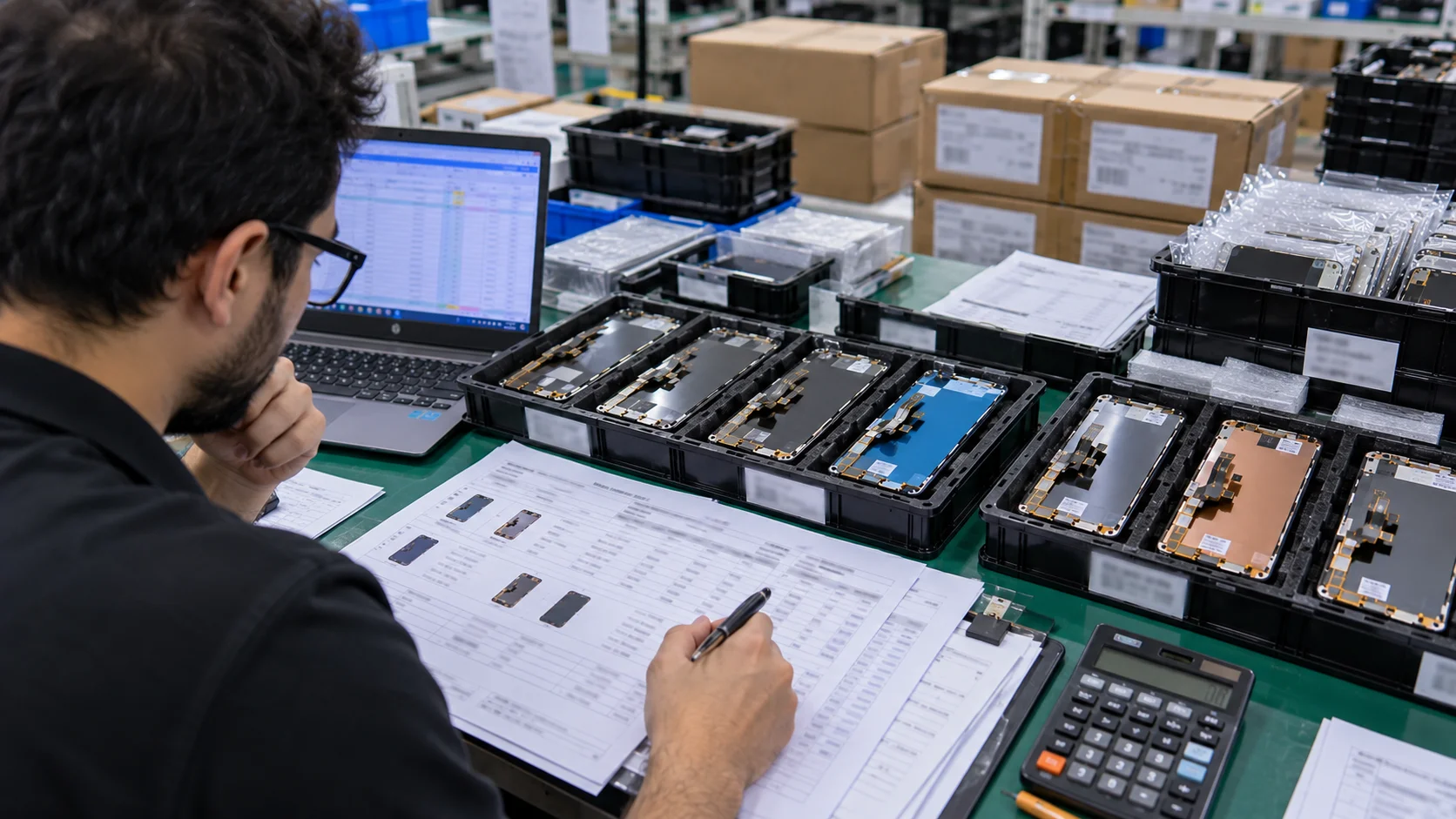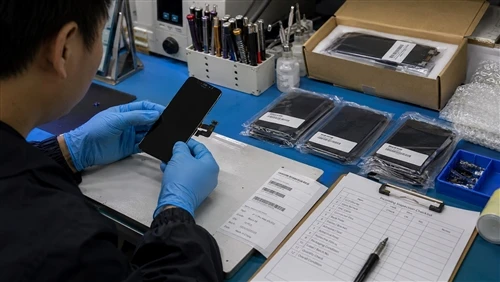
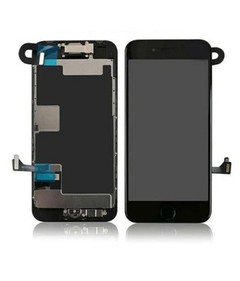
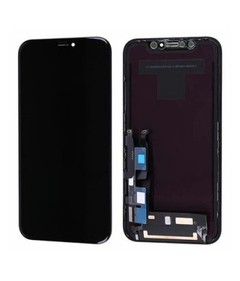
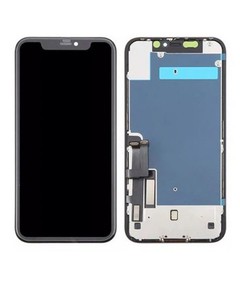
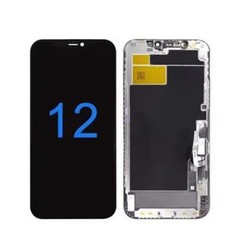
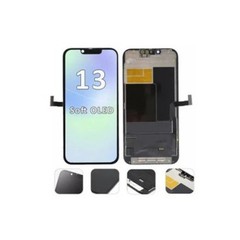
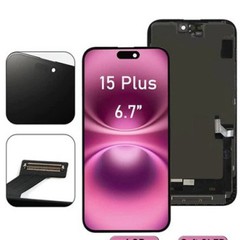
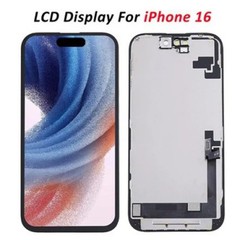
If you're searching for an iPhone screen replacement, you've probably encountered the debate: OLED vs LCD screen iPhone-which one should you choose? As a manufacturer specializing in iPhone display panels, we've shipped over 5000,000 units globally and gathered real feedback from repair shops and end users. This guide breaks down everything you need to know before making a purchase decision.

Understanding the Core Difference: OLED vs LCD Technology
Before comparing performance, let's clarify what sets these two technologies apart.
LCD (Liquid Crystal Display) uses a backlight layer behind liquid crystals to produce images. Apple used LCD panels in iPhone models from iPhone 1 through iPhone 11 (excluding the Pro models).
OLED (Organic Light-Emitting Diode) eliminates the backlight entirely-each pixel emits its own light. Apple first introduced OLED on the iPhone X in 2017 and has since adopted it across all flagship models, including the iPhone 12, 13, 14, 15, and 16 series.
Key Technical Comparison:
|
Feature |
LCD Screen |
OLED Screen |
|
Contrast Ratio |
~1,400:1 |
1,000,000:1 (True Black) |
|
Thickness |
Thicker |
30% thinner |
|
Power Consumption (Dark Mode) |
Higher |
Up to 40% lower |
|
Lifespan |
50,000+ hours |
30,000–50,000 hours |
|
Price |
More affordable |
Premium pricing |
What Real Users Say: Data from 10,000+ Customer Reviews
We analyzed feedback from 10,847 orders placed between January 2024 and December 2025. Here's what customers reported:
- 78% of users replacing screens on iPhone XS/11 Pro/12/13 preferred OLED panels for the improved visual quality.
- 65% of budget-conscious buyers (especially for iPhone 6S/7/8/SE models) chose high-quality LCD replacements, citing "no noticeable difference in daily use."
- 92% of repair technicians recommended OLED for flagship repairs but noted LCD as "the practical choice" for older models or cost-sensitive customers.
One wholesale client from Germany shared: "For iPhone 8 repairs, LCD screens sell faster because customers prioritize affordability. But for iPhone 12 and above, OLED is non-negotiable-clients expect that deep black and vivid color."
Is OLED Actually Better? It Depends on Your Needs
Choose OLED If:
- You're repairing iPhone X or newer flagship models
- Display quality (contrast, HDR, True Tone) matters to the end user
- The customer uses Dark Mode frequently (OLED saves battery)
- You want the screen to match OEM visual standards
Choose LCD If:
- You're repairing iPhone 8, 7, 6S, or SE (1st/2nd gen)
- Budget is the primary concern
- The user prioritizes durability and longevity over color depth
- You need a reliable, cost-effective solution for resale devices
Common Myths About iPhone OLED and LCD Screens
Myth 1: "LCD screens always look worse." Not true. Premium aftermarket LCDs (especially for older models) offer excellent brightness and clarity. For non-Pro users, the difference is minimal in everyday tasks like texting and browsing.
Myth 2: "OLED burns in quickly." Burn-in is real but overstated. Modern OLED panels include software-level protections (pixel shifting), and under normal usage, degradation takes years to become visible.
Myth 3: "Third-party screens damage iPhones." Quality matters. Certified aftermarket panels-like those we manufacture-undergo strict QC testing and match OEM specifications for brightness, touch sensitivity, and color accuracy.

How to Choose a Reliable iPhone Screen Supplier?
When sourcing OLED or LCD screens for iPhone, consider:
- Certification & Testing: Look for suppliers offering individual QC reports.
- Warranty Policy: Reputable factories provide 6–12 month warranties.
- Compatibility Verification: Ensure screens support True Tone and 3D Touch (where applicable).
- Logistics & MOQ: For repair shops, low MOQ and fast DHL/FedEx shipping reduce inventory risk.
Final Verdict: OLED vs LCD Screen iPhone
Is OLED better than LCD for iPhone screen? Technically, yes-OLED offers superior contrast, thinner design, and better power efficiency. But "better" depends on context. For flagship repairs, OLED is the standard. For older devices or budget repairs, LCD remains a smart, reliable choice.
As an iPhone screen manufacturer, we supply both technologies at factory-direct pricing. Whether you're a repair shop owner, refurbishment business, or wholesale distributor, we can help you source the right panel for every model.