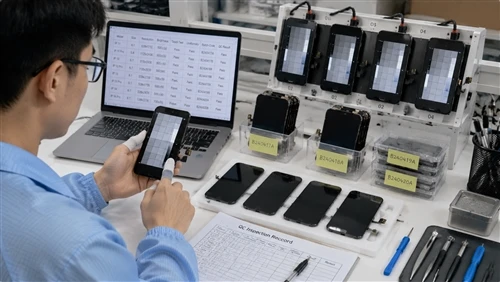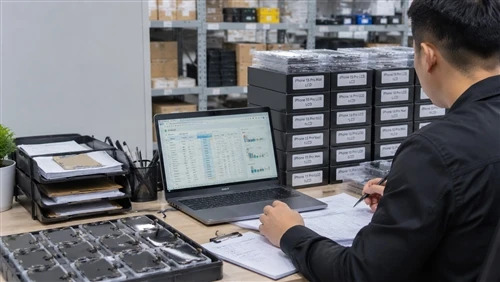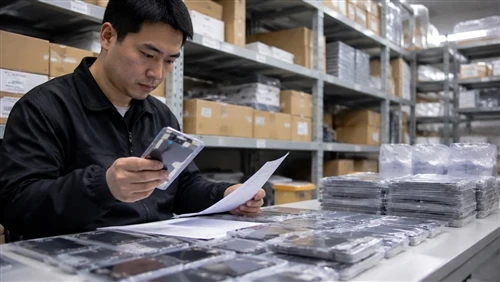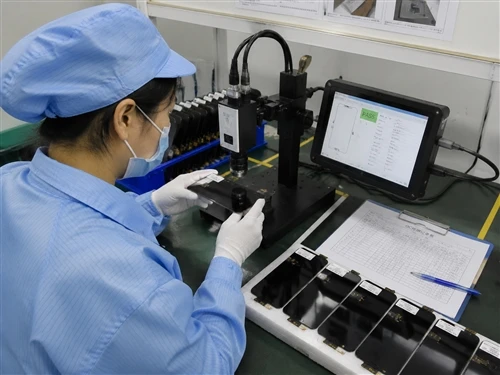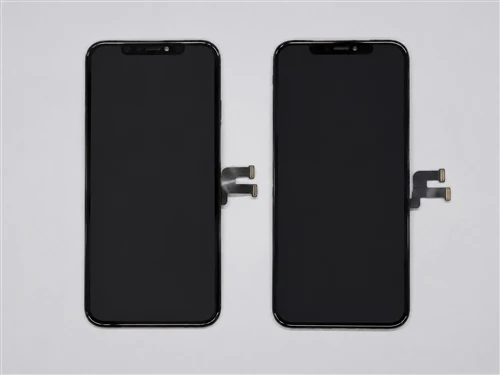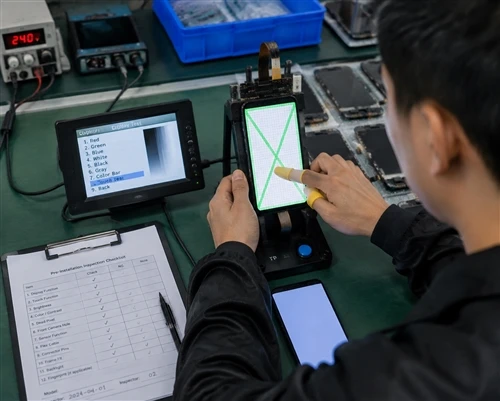
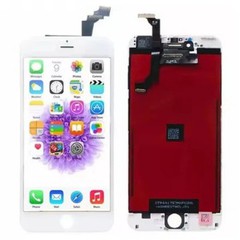
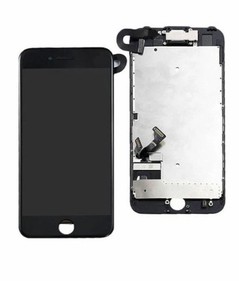
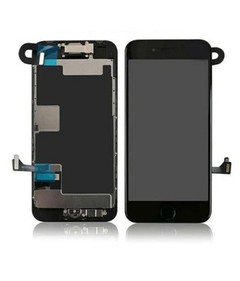




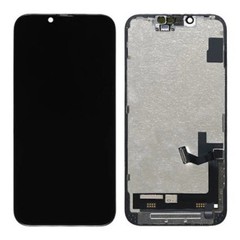


Touch problems are one of those issues that never really disappear, especially with older iPhones still being used every day. New models may get more attention online, but inside repair shops, it's common to see customers walk in with phones that are five or even eight years old. That's why jobs like iphone 6 touch screen replacement, iphone 8 digitizer replacement, and full iphone screen and digitizer replacement are still routine work rather than rare cases.
Most customers don't describe their problem in technical terms. They simply say, "The screen doesn't respond," or "Some parts won't register my finger anymore." From there, the real evaluation begins.

The iPhone 6 is a good example. It's an old model, but it hasn't vanished. Many people keep it as a backup phone or pass it down to family members. When touch starts failing, replacing the screen is usually the most practical solution.
An iphone 6 touch screen replacement is rarely about restoring the phone to like-new condition. It's about making it usable again. In most cases, users just want stable touch response and a screen that doesn't crack again after a minor drop.
From repair experience, a straightforward iphone 6 touch screen replacement with a tested assembly tends to cause the fewest issues later. Trying to repair only part of the screen often takes more time and doesn't always last. That's why many technicians prefer a full replacement instead of partial fixes.
With the iPhone 8, things get a bit more complicated. A common situation is that the display still looks fine, but touch stops working properly. Sometimes only half the screen responds, sometimes touch fails completely.
This is where iphone 8 digitizer replacement comes up. Technically, the digitizer is the part responsible for touch input. In theory, it can be replaced separately. In real repair environments, however, a true standalone iphone 8 digitizer replacement is not something most shops do regularly.
The process requires specialized equipment, more labor, and higher risk. For many repair businesses, replacing the full screen assembly is simply more reliable than attempting a pure iphone 8 digitizer replacement, even if the display itself appears undamaged.
Customers often ask why the entire screen needs to be replaced when the image still shows. Explaining the role of the digitizer helps, but most people mainly want a repair that lasts. That's where a full iphone screen and digitizer replacement becomes the safer option.
An iphone screen and digitizer replacement replaces all the layers at once, reducing the chance of hidden damage causing future problems. From a business standpoint, this approach usually results in fewer callbacks and fewer warranty claims.
Across different models, technicians tend to follow the same logic. If the phone is older and heavily used, simplicity matters. For newer models like the iPhone 8, reliability matters even more because customer expectations are higher.
In daily work, an iphone 6 touch screen replacement is generally quick and forgiving. An iphone 8 digitizer replacement or full assembly swap requires more attention, especially around connectors and sealing. Skipping steps or rushing the job often leads to touch issues showing up days or weeks later.

Cost is always part of the discussion. Many people repairing older phones are budget-focused. They don't need the best display available. They need something that works consistently. Explaining why a full iphone screen and digitizer replacement may cost slightly more-but reduces future risk-often makes the decision easier for them.
Shops that clearly explain these differences usually see better customer understanding and fewer disputes.
In the end, there's no single solution that fits every phone. An iphone 6 touch screen replacement, an iphone 8 digitizer replacement, and a complete iphone screen and digitizer replacement all serve different purposes depending on the model and the damage.
What matters most is choosing the approach that matches how the phone is actually used, not just what looks cheapest or fastest at first glance. That kind of practical judgment is what keeps repairs successful and customers satisfied over the long term.