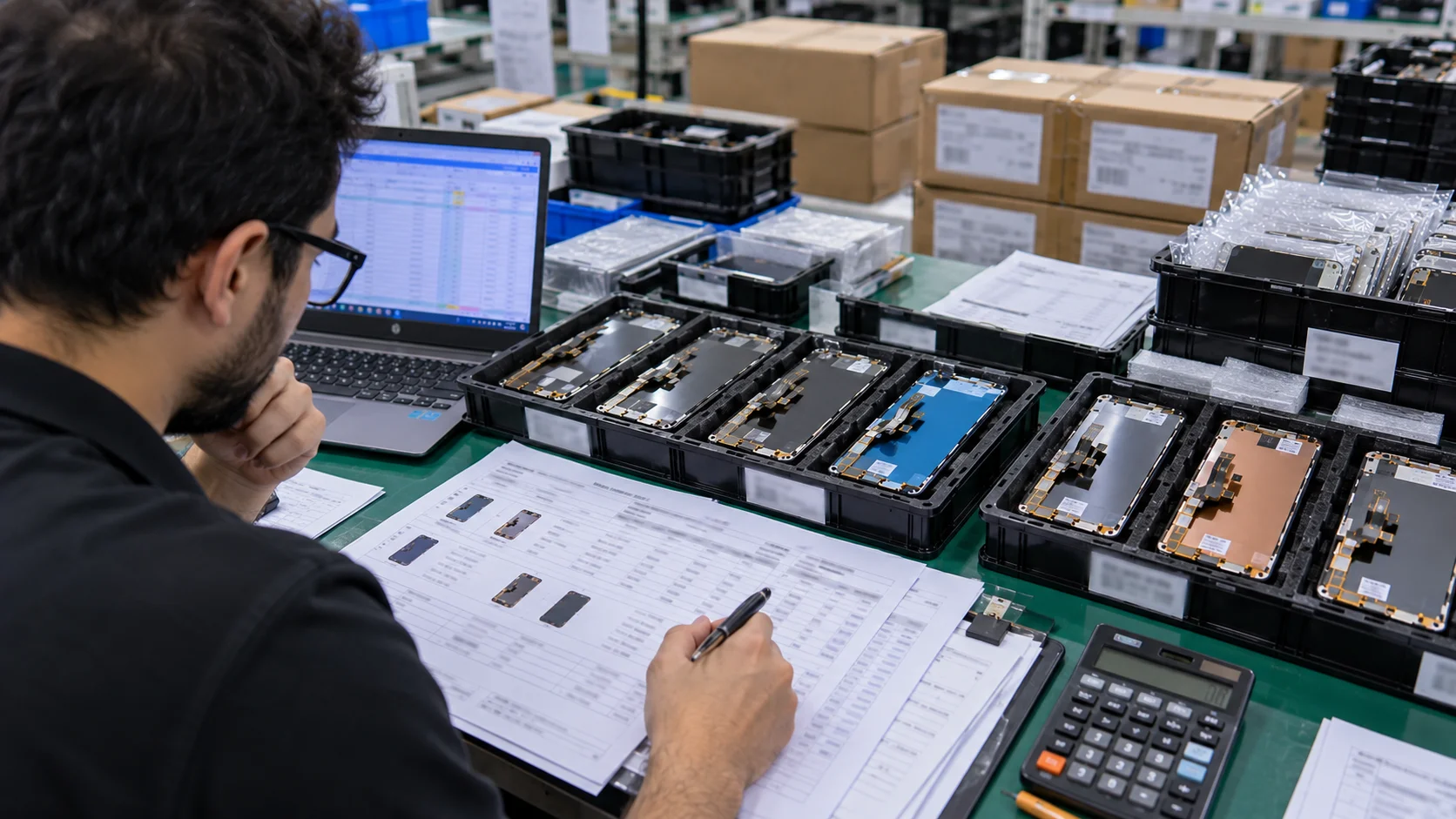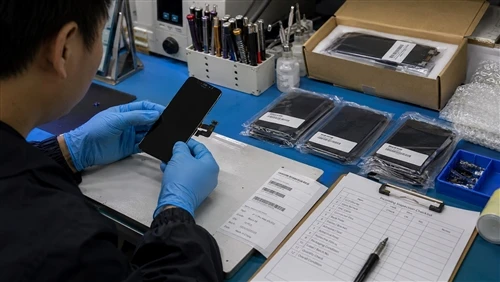
Introduction
For many repair shops and distributors, one of the most frustrating situations is this:
👉 The screen works fine during testing, but after installation, problems start to appear.
Common complaints include:
- Screen flickering after installation
- Touch not responding properly
- Display turning black suddenly
- Lines appearing on the screen
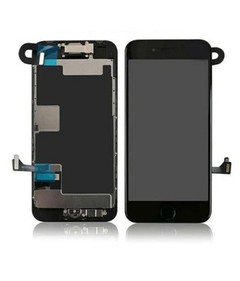
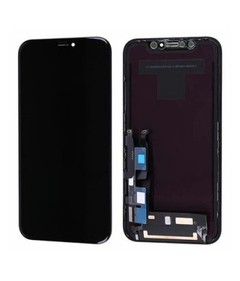
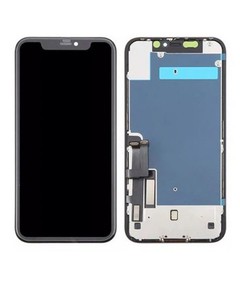
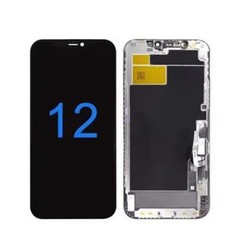
If you are dealing with iPhone LCD screen replacement, these issues are not uncommon-but they are also not random.
In most cases, the real problem is not the installation process, but the quality and stability of the screen itself.
In this article, we will break down the real reasons why some iPhone LCD screens fail after installation, and how you can avoid these problems when sourcing from a supplier.
The Hidden Cost of Screen Failure
Many buyers focus only on price when purchasing wholesale iPhone screens, but the real cost comes later.
When a screen fails after installation, it leads to:
- Rework labor cost
- Customer complaints
- Product returns
- Loss of trust
A cheap screen that fails will always cost more in the long run.
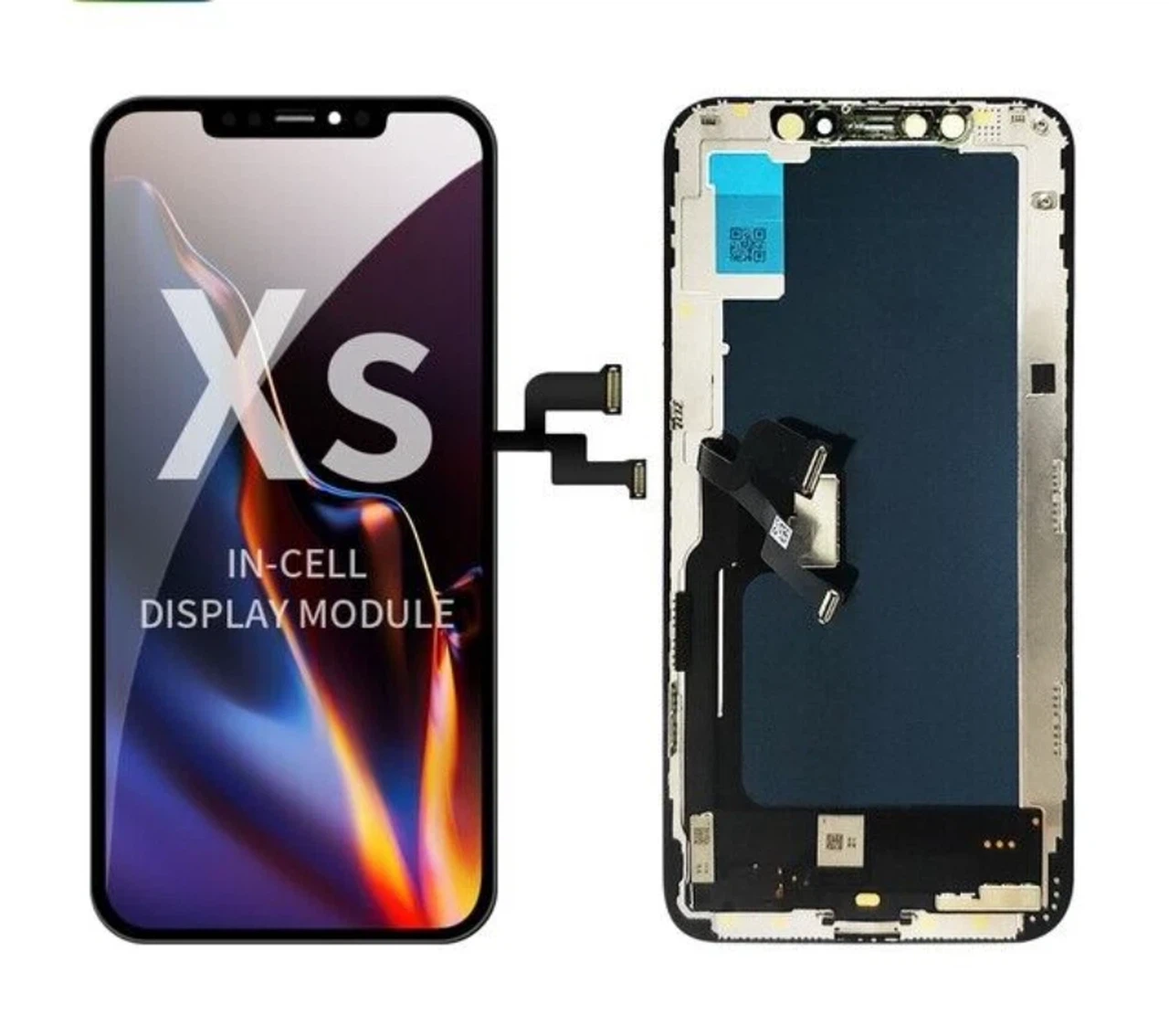
The Real Reasons Why iPhone Screens Fail After Installation
1. Unstable LCD Panels (Root Cause of Flickering)
One of the most common issues is screen flickering after replacement.
Why it happens:
Low-quality panels often have:
- Inconsistent voltage control
- Weak backlight systems
- Poor display driver integration
These problems may not appear during short testing, but will show after actual use.
How to avoid it:
Choose a stable AAA iPhone LCD screen with proper aging tests.
2. Poor Quality IC and Touch Integration
Touch problems are another major issue.
Symptoms:
- Touch delay
- Ghost touch
- Partial touch failure
Why it happens:
- Low-grade touch IC
- Poor assembly process
Solution:
Work with a professional iPhone LCD screen supplier that uses reliable components.
3. Weak Flex Cable and Connector Issues
The flex cable is responsible for signal transmission.
Common problems:
- Screen works initially but fails later
- Intermittent display issues
Root cause:
- Thin or low-quality flex cable
- Poor welding or connection
4. No Aging Test (Most Overlooked Problem)
Many low-end suppliers skip aging tests to reduce cost.
What is aging test?
A process where screens are powered on for extended time to detect defects.
Without aging test:
- Hidden defects are not detected
- Failure rate increases after installation
5. Inconsistent Batch Quality
This is one of the biggest problems in the market.
Situation:
- First order quality is good
- Next order quality drops
Why it happens:
- No standard production process
- Unstable material sourcing
6. Cheap Screens Designed for Short-Term Use
Some suppliers intentionally produce lower-cost screens.
These screens:
- Pass basic testing
- Fail after short-term use
Why This Problem Is More Common Than You Think?
Many buyers believe:
👉 "The issue is installation error"
But in reality:
👉 Over 70% of post-installation failures are caused by screen quality, not technician mistakes.
How to Avoid These Problems (Practical Strategy)?
1. Stop Choosing Based on Price Alone
Low price = higher risk
Focus on:
- Stability
- Consistency
- Supplier reliability
2. Always Test Before Installation
Even high-quality screens should be tested before full installation.
3. Work with a Real Factory Supplier
A professional iPhone LCD screen factory ensures:
- Standardized production
- Stable quality
- Batch consistency
4. Choose AAA Quality Screens
AAA screens offer:
- Stable performance
- Lower defect rate
- Better customer satisfaction
5. Build Long-Term Supplier Relationships
Switching suppliers frequently increases risk.
Consistency comes from long-term cooperation.
What a Reliable Supplier Actually Does Differently?
A professional supplier will:
- Perform full functional testing
- Conduct aging tests
- Maintain strict quality control
- Ensure batch consistency
This is what separates real factories from unstable traders.
Final Thoughts
If you are experiencing issues like:
- iPhone screen flickering after replacement
- Touch not working properly
- High return rates
Then the problem is not random-and it is not just installation.
👉 The real issue is often the quality of the screen and the reliability of your supplier.
For repair shops, wholesalers, and distributors, choosing a stable iPhone LCD screen supplier is the key to reducing failures, improving efficiency, and growing your business.
If you are looking for:
- Stable quality screens
- Low defect rate
- Reliable bulk supply
👉 It is time to work with a professional iPhone LCD screen factory that understands long-term business needs.