Introduction
Smartphone screens are the most vulnerable component of modern devices. Every year, millions of users experience screen issues such as cracks, flickering, ghost touches, or complete black displays. This makes iPhone LCD screen replacement one of the most common repairs in the mobile phone industry.
For repair shops, distributors, and resellers, a critical question arises: how to select high-quality mobile phone lcd screen from a reliable supplier that ensures performance, durability, and compatibility.
Choosing the wrong screen can lead to installation failures, customer complaints, and higher return rates. Conversely, working with professional suppliers can significantly reduce risk, improve repair success, and enhance customer trust.
This guide will cover everything you need to know about iPhone LCD replacement, including:
- Screen types and technical differences
- How to evaluate screen quality
- Supplier selection criteria
- Common customer concerns
- Industry trends and predictions for the next five years
By following this guide, your repair business can confidently purchase and install high-quality LCD screens while building long-term credibility with clients.

Understanding Smartphone LCD Screens

What Is a phone lcd?
A mobile phone lcd screen (Liquid Crystal Display) is a type of screen technology widely used in smartphones. It works by using liquid crystals combined with a backlight to produce clear and consistent images.
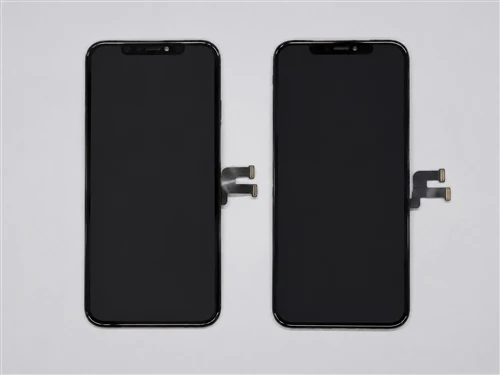
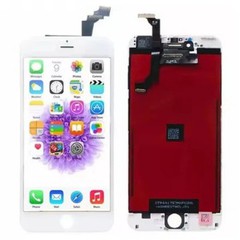
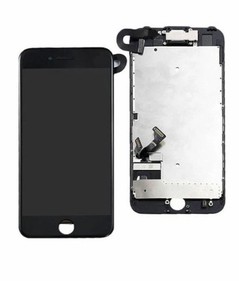
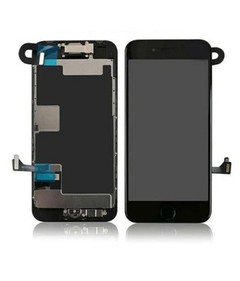
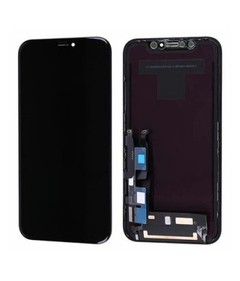
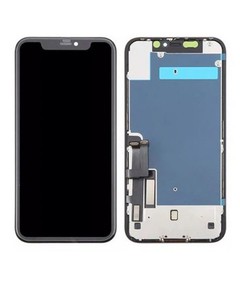
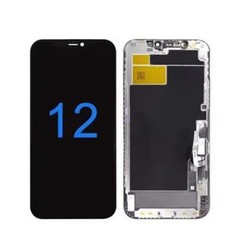
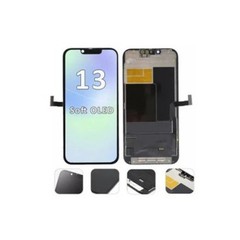
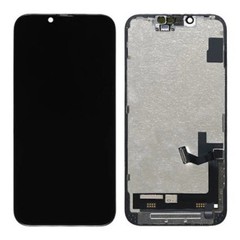
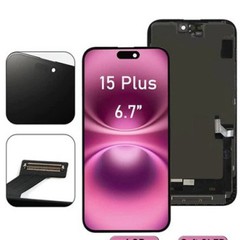
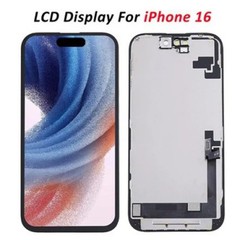
A typical iPhone LCD assembly includes:
- LCD Display Panel – produces images and colors
- Touch Digitizer – responsible for touch sensitivity
- Backlight Module – provides brightness
- Protective Glass – prevents physical damage
- Flex Cables and Connectors – connect the display to the motherboard
Each component affects overall performance. Poor-quality screens can result in:
- Flickering or brightness inconsistency
- Touch sensitivity issues
- Short lifespan
- Installation problems
High-quality suppliers ensure that every component is tested before shipping.
Common Smartphone Screen Problems
Repair shops frequently encounter these issues, making it essential to understand when a replacement is necessary:
- Cracked or Broken Screen – physical damage is the most common reason for replacement.
- Touch Not Responding – digitizer failure can render a screen unusable.
- Screen Flickering – usually caused by damaged panels or connectors.
- Black Screen but Phone Powers On – often indicates screen assembly damage.
- Lines or Color Distortion – vertical lines or unusual color changes signal LCD failure.
By understanding these issues, repair shops can better advise clients and choose the right replacement screen.

LCD vs OLED: Which Screen Is Better?
Many clients and repair shops ask whether they should use LCD or OLED screens. Here's a professional comparison:
|
Feature |
LCD Screen |
OLED Screen |
|
Cost |
Lower |
Higher |
|
Brightness |
Stable |
High contrast |
|
Lifespan |
Longer |
Risk of burn-in |
|
Repair Cost |
Low |
Expensive |
|
Stability |
Very stable |
Depends on quality |
|
Suitable For |
Repair market / budget-conscious clients |
High-end devices |
Conclusion: For most repair shops and bulk buyers, high-quality LCD screens are the most cost-effective and reliable option. Our factory specializes in providing stable iPhone 6/6s/6Plus and iPhone 7/8 series LCDs, ensuring that legacy model repairs remain a high-margin business for wholesalers in South America and Southeast Asia
How to Identify High-Quality ?
Not all replacement screens are created equal. Professionals should evaluate screens based on these criteria:
Display
Quality
clear brightness, accurate colors, no dead pixels.
Touch
Sensitivity
immediate response without ghost touches
Backlight
Stability
no flickering, consistent brightness
Flex Cable Durability
reduces installation failures
High-quality suppliers perform extensive testing procedures to ensure every screen meets professional standards.
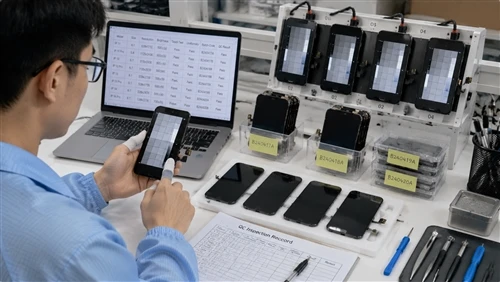
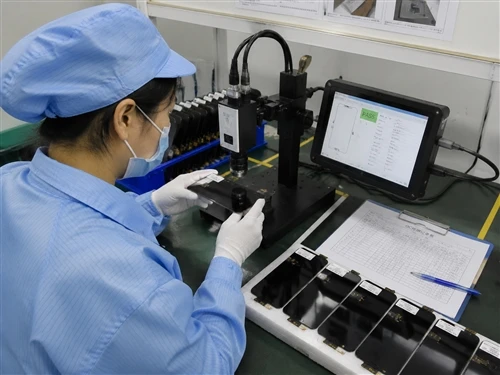
Professional Quality Testing Process

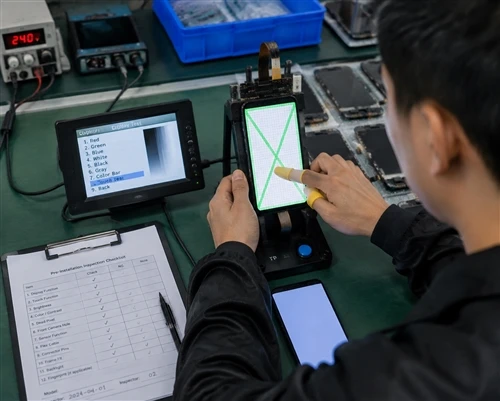
Professional suppliers test every screen in three main steps:
- Functional Testing – verify display, touch, and brightness.
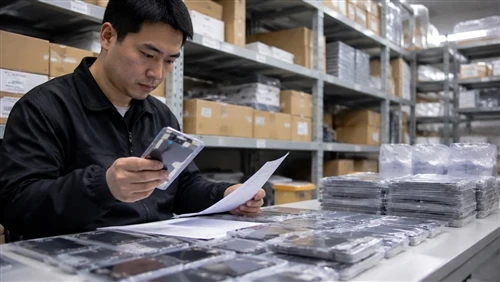
- Visual Inspection – check for scratches, dead pixels, and backlight leaks.
- Compatibility Testing – test on real devices to ensure fit and functionality.
This testing ensures clients receive reliable screens with minimal installation issues.
Screen Quality Grades Comparison
|
Grade |
Description |
Recommended For |
|
OEM Quality |
Near original manufacturer standard |
High-end repairs |
|
Premium Aftermarket |
High performance and durability |
Repair shops and bulk buyers |
|
Standard Aftermarket |
Cost-effective |
Budget repairs |
|
Low-grade |
Unstable, high defect rate |
Avoid |
Working with professional suppliers guarantees premium or OEM-level quality, which directly improves repair outcomes. Whether you are sourcing the high-demand iPhone 11/11 Pro Max or iPhone X series LCD alternatives, understanding technical quality levels is essential. For a complete breakdown of quality standards, see our iPhone LCD Screen Complete Guide.
How to Choose a Reliable phone lcd Supplier?
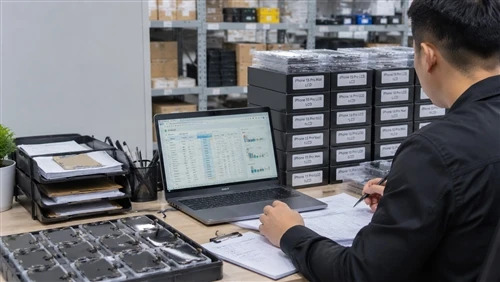
Choosing the right supplier is critical for repair shops and distributors. Look for:
Stable Product Quality
strict testing protocols and consistent results
Reliable Supply Chain
inventory availability and bulk shipping capacity
Technical Support
guidance on installation and device compatibility
After-Sales Service
warranty and responsive communication
Professional suppliers help repair shops reduce defects, improve efficiency, and increase client trust.
Step-by-Step iPhone LCD Screen Replacement
Even for experienced technicians, following a structured process ensures success:
- Power off the device
- Remove bottom screws near the charging port
- Carefully open the screen assembly
- Disconnect the battery connector
- Remove the damaged screen
- Install the new LCD assembly
- Test touch and display functionality
- Reassemble the device
Testing the screen before full assembly reduces returns and customer complaints.

Future Trends of the Smartphone Display Industry (2025–2030)
The smartphone display industry continues to evolve rapidly. Understanding trends can guide procurement and business strategy.
|
Year |
Market Size (USD Billion) |
Key Trend |
|
2025 |
60 |
LCD remains dominant for repairs |
|
2026 |
64 |
Repair demand continues to rise |
|
2027 |
68 |
OLED adoption increases in high-end models |
|
2028 |
72 |
New display technology emerges |
|
2029 |
76 |
Global repair market expands further |
Key Trends

- Repair Market Expansion – more consumers choose repair over replacement.
- OLED Adoption – high-end devices increasingly use OLED, but LCD still dominates repairs.
- Quality Standards Increase – suppliers and repair shops emphasize durability and performance.
- Professional Supplier Advantage – suppliers with strict quality control become market leaders.
- Emerging Display Technology – flexible and microLED screens may enter the market.
FAQ About iPhone LCD Screen Replacement
Q1: How long does a replacement LCD screen last?
A: A high-quality LCD replacement can last 2–5 years under normal usage.
Q2: Can LCD screens replace OLED displays?
A: Yes, for repairs, LCD can serve as a cost-effective alternative in many cases.
Q3: Why do some replacement screens fail quickly?
A: Low-quality materials, poor testing, or incorrect installation are the main causes.
Q4: Should repair shops buy screens in bulk?
A: Yes, bulk purchasing reduces costs, ensures inventory stability, and improves repair efficiency.
Q5: How can technicians test a new screen?
A: Connect the screen temporarily before final assembly to verify touch and display performance.
Q6: How to ensure compatibility with different iPhone models?
A: Work with suppliers who provide model-specific testing and installation guidance.
Conclusion
Choosing the right iPhone LCD screen replacement and a reliable supplier is essential for success. As a dedicated iPhone LCD screen manufacturer, we provide factory-direct supply with no MOQ and 24-hour service to help you reduce defective rates and build long-term trust with your clients.
By working with professional suppliers who enforce strict quality testing and provide technical support, businesses can:
- Reduce defective screens and installation failures
- Improve repair efficiency and customer satisfaction
- Build long-term trust with clients
In the next five years, the smartphone LCD and repair industry will continue to grow, making high-quality screens and professional suppliers essential for success.