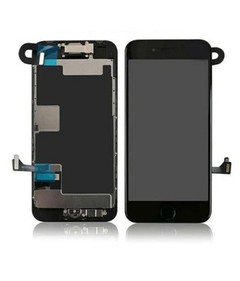
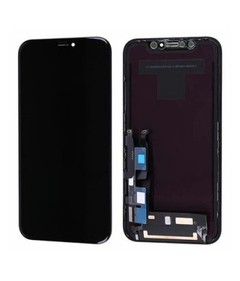
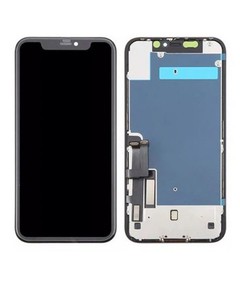
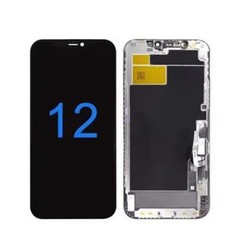
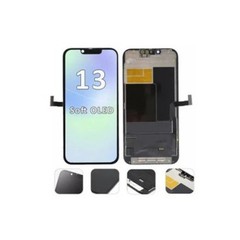
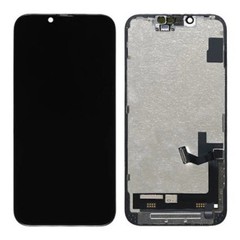
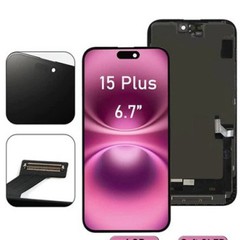
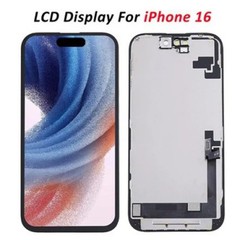
Information is the key to success in the cutthroat field of mobile phone repairs and parts distribution. The iPhone LCD screen is perhaps your most crucial inventory item, regardless of whether you are running a wholesale hub in Southeast Asia, a busy repair shop in Dubai, or a parts distribution company throughout Brazil.
This thorough guide offers a thorough examination of every facet of the iPhone LCD market, from marketing tactics and troubleshooting to production procedures and quality grading. This tutorial will provide you the expertise you need to build a trustworthy direct-from-factory supply chain and get rid of intermediaries markups.
1. The Fundamental Technology: Anatomy of a Professional iPhone LCD Screen
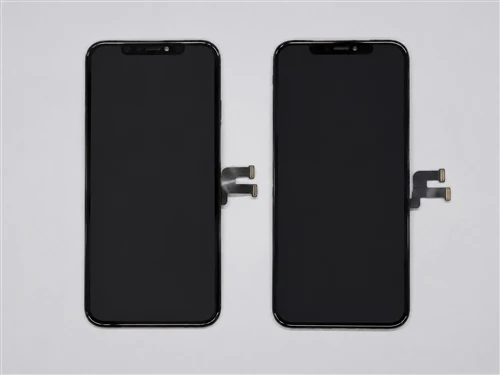
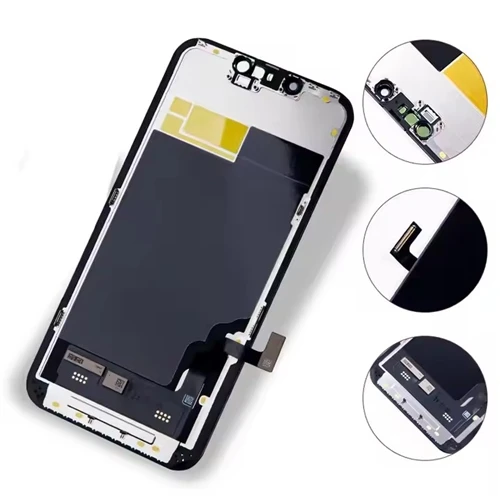
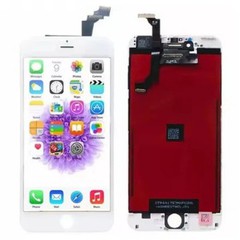
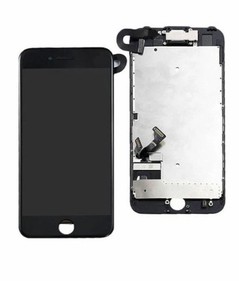
An iPhone LCD is a sophisticated, multi-layered "optical sandwich". Understanding this anatomy is essential for B2B buyers to distinguish between premium goods and low-quality copies.
The Anatomy of a Professional Aftermarket Screen:
Cover Glass (CG): We utilize high-grade Aluminosilicate glass for superior drop resistance.
Digitizer (Touch Layer): We guarantee 10-point multi-touch sensitivity to mirror the original experience.
Liquid Crystal Layer: Responsible for color accuracy, contrast, and response time.
Backlight Unit (BLU): Provides 500–600 nits of brightness for clarity under direct sunlight.
Flex Cables: We use reinforced copper-plated cables to prevent tearing and line defects.

Strategic Overview: Historical LCD Model Evolution
For wholesalers managing legacy stock, understanding the technical evolution of these screens is vital:
|
iPhone Model |
Release Year |
Screen Size |
Resolution |
Display Technology |
|
iPhone 6 |
2014 |
4.7" |
750×1334 |
IPS LCD (Retina HD) |
|
iPhone 7 |
2016 |
4.7" |
750×1334 |
IPS LCD (Retina HD) |
|
iPhone 8 |
2017 |
4.7" |
750×1334 |
IPS LCD (Retina HD) |
|
iPhone XR |
2018 |
6.1" |
828×1792 |
IPS LCD (Liquid Retina) |
|
iPhone 11 |
2019 |
6.1" |
828×1792 |
IPS LCD (Liquid Retina) |
|
iPhone SE (3rd Gen) |
2022 |
4.7" |
750×1334 |
IPS LCD (Retina HD) |
2. LCD vs. OLED: The B2B Reality
Despite the transition to OLED, LCD still controls the wholesale market due to cost efficiency and durability.
Technology Comparison: LCD vs. OLED
Understanding these metrics helps you make informed inventory decisions:
|
Feature |
iPhone LCD Screen |
iPhone OLED Screen |
|
Light Source |
Separate LED backlight |
Self-emitting pixels |
|
Contrast Ratio |
~1,400:1 |
1,000,000:1 or higher |
|
Brightness |
625-800 nits |
800-2,000 nits (HDR) |
|
Burn-in Risk |
None |
Possible over time |
|
Repair Cost |
More affordable |
Significantly higher |
|
Lifespan |
50,000+ hours |
30,000-100,000 hours |
2. Global Quality Standards: Decoding "Grade A" and Beyond
In the international wholesale market, terms like "AAA+," "Original Quality," or "Premium Grade" are frequently used in an ambiguous, often misleading manner to mask the actual origin of the components. For a B2B buyer, this lack of transparency is a significant risk factor. As a direct manufacturer, we bring clarity to this confusion by categorizing iPhone LCD screens into three distinct tiers based on their manufacturing process and performance metrics.
Tier 1: Original OEM / Pulled
These components represent the "Gold Standard". They are either sourced directly from Apple's primary supply chain or "pulled" (salvaged) from new, genuine devices.
Pros: They offer 100% parity with the device's original display in terms of color gamut and refresh rates.
Cons: The supply is extremely limited and highly volatile, making them difficult to stock for large-scale distribution.
Tier 2: Premium Aftermarket (Our Core Product)
Designed for high-end repair franchises and distributors, these are manufactured in ISO-certified facilities-like our own-using elite third-party materials.
IC Chips: We integrate stable driver ICs specifically engineered to support Face ID and True Tone compatibility, ensuring that the phone's advanced security and environmental lighting sensors remain functional after repair.
Brightness: These units deliver a consistent 550–600 nits, matching the luminance required for clear outdoor visibility.
Frame Bonding: We utilize advanced cold-pressed glue techniques. This prevents "frame lifting," a common defect where the screen separates from the bezel over time due to heat.
Tier 3: Budget / Copy LCDs
Commonly found in low-end markets, these screens prioritize a low price point over long-term reliability.
Blue-Tinted Displays: Inferior liquid crystal layers often result in a cold, blue hue that distorts natural color reproduction.
Mechanical Flaws: Thicker frames often prevent the screen from sitting flush within the device housing, leading to gaps or pressure spots.
Power Drain: High power consumption is frequent, which rapidly degrades the end-user's battery life.
Strategic Warning: While Tier 3 screens offer the highest initial profit margins, the massive RMA (Return Merchandise Authorization) rate and subsequent shipping expenses for returns will likely erode your profits and destroy your brand reputation. For a sustainable B2B operation, Tier 2 remains the optimal balance of cost and quality
3. Market-Specific Strategy: Middle East, South America, and Southeast Asia
Based on 2025 factory sales data, these models represent the highest replacement demand globally:
|
Rank |
Model |
% of Total LCD Orders |
Primary Reason for Replacement |
|
1 |
iPhone 11 |
23.4% |
Cracked glass, touch issues |
|
2 |
iPhone XR |
18.7% |
Screen cracks, display lines |
|
3 |
iPhone 8 / 8 Plus |
15.2% |
Aging, unresponsive touch |
|
4 |
iPhone 7 / 7 Plus |
12.8% |
Long-term wear, damage |
|
5 |
iPhone SE (20/22) |
11.3% |
Drops, LCD damage |
We have tailored our production lines to meet the specific environmental and economic needs of our primary target markets.
The Middle East: High Brightness & Luxury Brands
In countries like Saudi Arabia and the UAE, sunlight is intense.
The Demand: Screens must be exceptionally bright.
Wholesale Trend: Middle Eastern buyers prefer OEM branding. They want their own logo on the box to build a premium local brand.
Our Support: We offer custom packaging design that meets the aesthetic standards of the Dubai and Riyadh markets.
South America: Longevity & Price Sensitivity
Markets like Brazil and Argentina have a massive install base of iPhone 7, 8, and X.
The Demand: Reliable parts for older models that keep the phone running for several more years.
Wholesale Trend: To handle complicated customs, buyers seek out "All-in-One" kits and dependable long-term shipping partners.
Our Support: We provide "No MOQ" shipping so that South American companies can order smaller, more regular quantities and avoid large import fees.
Southeast Asia: Volume & Speed
In Vietnam, Thailand, and Indonesia, the turnover is incredibly fast.
The Demand: The iPhone 11 is currently the highest-volume repair model.
Wholesale Trend: Shops need stock yesterday.
Our Support: Same-day shipping from our factory ensures that Southeast Asian distributors can maintain a "Just-in-Time" inventory system.
4. Deep Dive: Why Sourcing From a Factory Beats Trading Companies
In the complex ecosystem of the electronics trade, many "suppliers" found on global B2B platforms like Alibaba are actually middleman trading companies. While they may offer a wide variety of parts, buying directly from our manufacturing facility provides several distinct advantages that are critical for long-term B2B success and brand stability.
Superior Price Consistency and Profit Margins
Trading companies typically add a 10%–20% markup to every unit to cover their overhead. By cutting out these intermediaries, you immediately reclaim that margin, allowing you to offer more competitive wholesale pricing or increase your own bottom line. Direct factory sourcing ensures that your pricing remains stable, shielding you from the fluctuating commissions charged by agents
Comprehensive Material Traceability
Quality accountability is the backbone of a professional supply chain. When a screen fails in the field, our factory can trace that unit back to the exact production line and specific batch of IC chips or cold-pressed glue used. A trader simply cannot provide this level of technical forensics or quality accountability.
Advanced OEM & Private Labeling
We provide more than just custom logos on a box. For high-volume partners, we can alter real technical characteristics, such as specific backlight brightness levels or customized flex cable thicknesses, to meet your unique brand specifications and regional market needs.
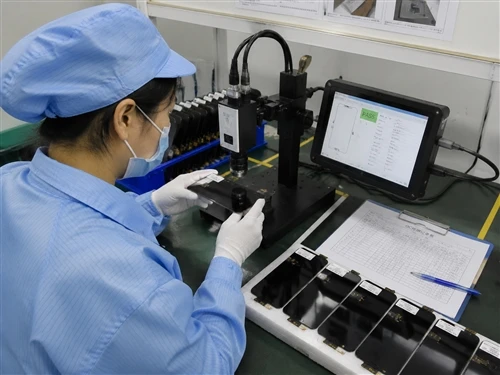
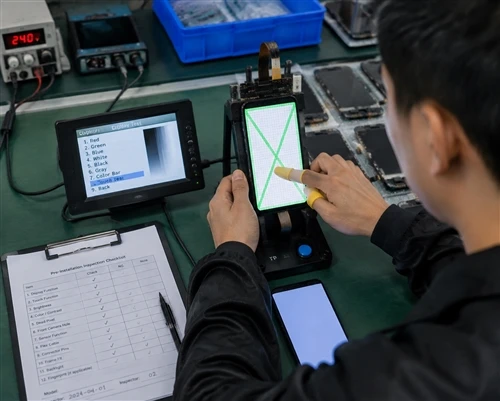
Rigorous 3-Step Quality Control (QC) Protocol
Our screens undergo a multi-stage stress test before shipping to ensure industry-leading reliability:
Static Test: A pixel-by-pixel inspection to ensure zero dead pixels or color spots.
Dynamic Test: Verifying touch sensitivity and multi-touch response across 100% of the screen grid to ensure zero lag.
Aging Test: Every unit undergoes a 24-hour power-on cycle to ensure no heat-related defects manifest after the final customer installation.
5. Model-Specific Guide: Strategic Inventory for iPhone 7 to iPhone 12
For a B2B wholesaler or regional distributor, inventory selection must be dictated by the specific technical needs of each device generation. Understanding the nuances of these models allows you to provide expert-level service to your clients.


iPhone 7 / 8 / 8 Plus: The Enduring Workhorses
These models remain the "workhorses" of the global repair sector, maintaining a massive install base in South America and parts of Europe. The primary technical challenge for these screens involves the integration of the Home Button and Touch ID assembly. Any slight deviation in the bracket thickness can lead to button failure. To mitigate this, our screens are precision-calibrated to ensure the 3D Touch haptic response feels authentic to the user, preserving the tactile experience of the original device.
iPhone X / XR / XS: The Transition Era
As Apple began its transition to bezel-less designs, the iPhone XR emerged as one of the most successful LCD implementations in smartphone history. Because the XR utilizes a "Liquid Retina" display, color accuracy and curved corner resolution are vital. Our aftermarket XR screens are engineered to be nearly identical to the original displays, ensuring that the backlight consistency and gesture-based navigation remain fluid and responsive.
iPhone 11 Series: The High-Volume Leader
The standard iPhone 11 is currently our highest-volume product, representing 23.4% of total global LCD orders. Because the iPhone 11 is natively an LCD-based device, the aftermarket versions are extremely stable and exhibit the lowest RMA rates in the industry. For the Pro and Pro Max variants-which were originally OLED-we offer specialized LCD alternatives. These allow budget-conscious customers to restore their devices without the high cost of OLED panels.
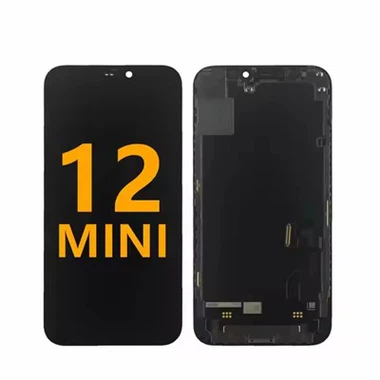
iPhone 12 / 13 Series: The Growth Frontier
While these models are natively OLED, we have pioneered the development of Premium LCD versions specifically for these series. This innovation allows users to repair their phones at approximately half the cost of an OLED panel, making high-end repairs accessible in price-sensitive markets like South Africa and Brazil. This category represents a massive growth area for wholesalers looking to offer tiered pricing to their service-store clients.
6. Installation & Troubleshooting: A Strategic Guide for Repair Shop Owners
In the high-stakes world of smartphone repair, the quality of the component is only half the battle; the precision of the installation is what ultimately determines the longevity of the device and the satisfaction of the end-user. Even the highest-grade premium screen can be rendered useless or permanently damaged by a single procedural oversight during the assembly process. To support our B2B partners in maintaining a low RMA rate and high customer trust, we provide specialized technical guidance for the most common installation pitfalls:
- Preventing Long-Screw Damage: This is perhaps the most catastrophic error a technician can make. Apple devices utilize screws of varying lengths, often differing by only fractions of a millimeter. Placing a long screw into a hole intended for a shorter one can penetrate the trace layers of the motherboard, leading to irreversible "long-screw damage". We strictly recommend the use of a magnetic screw map for every repair to ensure each fastener returns to its precise original location.
- Mitigating Static Shock (ESD): Modern iPhone display ICs are incredibly sensitive to Electrostatic Discharge (ESD). A single invisible spark from a technician's fingertip can fry the delicate driver integrated circuit (IC) located on the flex cable. To prevent phantom touches or complete display failure, ESD wristbands and grounded work mats are non-negotiable requirements for any professional repair environment.
- Managing Flex Cable Stress: While our flex cables are engineered with reinforced copper plating to withstand the rigors of repair, they remain high-precision electronic conduits. A common mistake is over-folding the cable during installation. A flex cable should never be bent beyond a 90-degree angle, as sharp creases can cause internal micro-fractures in the circuitry, leading to intermittent touch issues or vertical lines on the display.
- By training your staff to adhere to these rigorous standards, you not only protect your investment but also build a reputation for technical excellence that drives long-term customer loyalty.
7. The Business of Wholesale: Growing Your Distribution Agency

Transitioning from operating a localized repair shop to managing a high-volume regional distribution agency requires a fundamental shift in both mindset and supply chain management. To scale effectively in the global iPhone LCD market, you must move beyond "survival buying" and begin building a scalable infrastructure based on three core pillars:
Standardize Your Quality Consistency: The most common mistake small businesses make is "vendor hopping" in search of the lowest daily price. This leads to inconsistent inventory that confuses your customers and damages your reputation. To become a distributor, you must find a reliable factory partner and maintain a long-term relationship. This ensures that the screen a client buys from you today performs identically to the one they purchase six months from now, creating the brand reliability necessary for B2B loyalty.
Establish Professional Brand Equity: To move up the value chain, you must stop selling generic parts and start selling a brand. By utilizing our professional OEM and private labeling services, you can have your logo and custom design integrated into the packaging. A branded box is a powerful psychological tool; it suggests corporate stability, professional authority, and a level of trust that "white-label" plastic bags cannot convey.
Leverage an Industry-Leading Warranty: In the wholesale world, your warranty is your strongest sales tool. Because our factory provides a comprehensive 12-month warranty on all premium LCDs, you can pass this 1-year guarantee directly to your customers. This drastically reduces the perceived risk for repair shops buying from you in bulk, allowing you to secure larger contracts and stabilize your long-term revenue.
8. B2B Sourcing FAQ
- How do you manage shipping to far-flung areas? For South America and the Middle East, we collaborate with professional couriers to guarantee a seamless customs clearing process.
- What happens if my screen is defective? Our RMA procedure is straightforward. Send us a video demonstrating the flaw, and we'll replace it with your subsequent order.
- Do you support True Tone? Yes, all our premium screens can be programmed to support True Tone.
- What makes your price superior to Alibaba's? since we are the producer directly. There are no intermediary costs.
- How do I pay? We accept various secure B2B payment methods, including bank transfers and secure online portals.
9. Conclusion: Your Success is Our Production Goal
Getting the best deal, not the "cheapest" price, is the aim of the iPhone LCD market. Value is the outcome of combining factory-direct pricing, reliable quality, and professional support.
At our company, we not only produce screens but also the components that will enable you to succeed. Whether you are building an OEM brand or supplying a chain of service stores, we are here to provide the stability your business needs.
Factory Advantage Section:
Factory Direct Supply: Eliminate the middleman.
OEM Supported: Custom branding for your business.
No MOQ: Start small, grow fast.
Same-Day Shipping: Fast turnaround for standard stock.
3–7 Days Delivery: For custom OEM packaging orders.
Contact Us for Wholesale Pricing
Ready to take your business to the next level? Our team is available 24/7 to provide you with a custom quote.
WhatsApp: +8618279539802
Email: sales@phone-lcd-parts.com
CTA: [Get a Free Wholesale Quote Now]