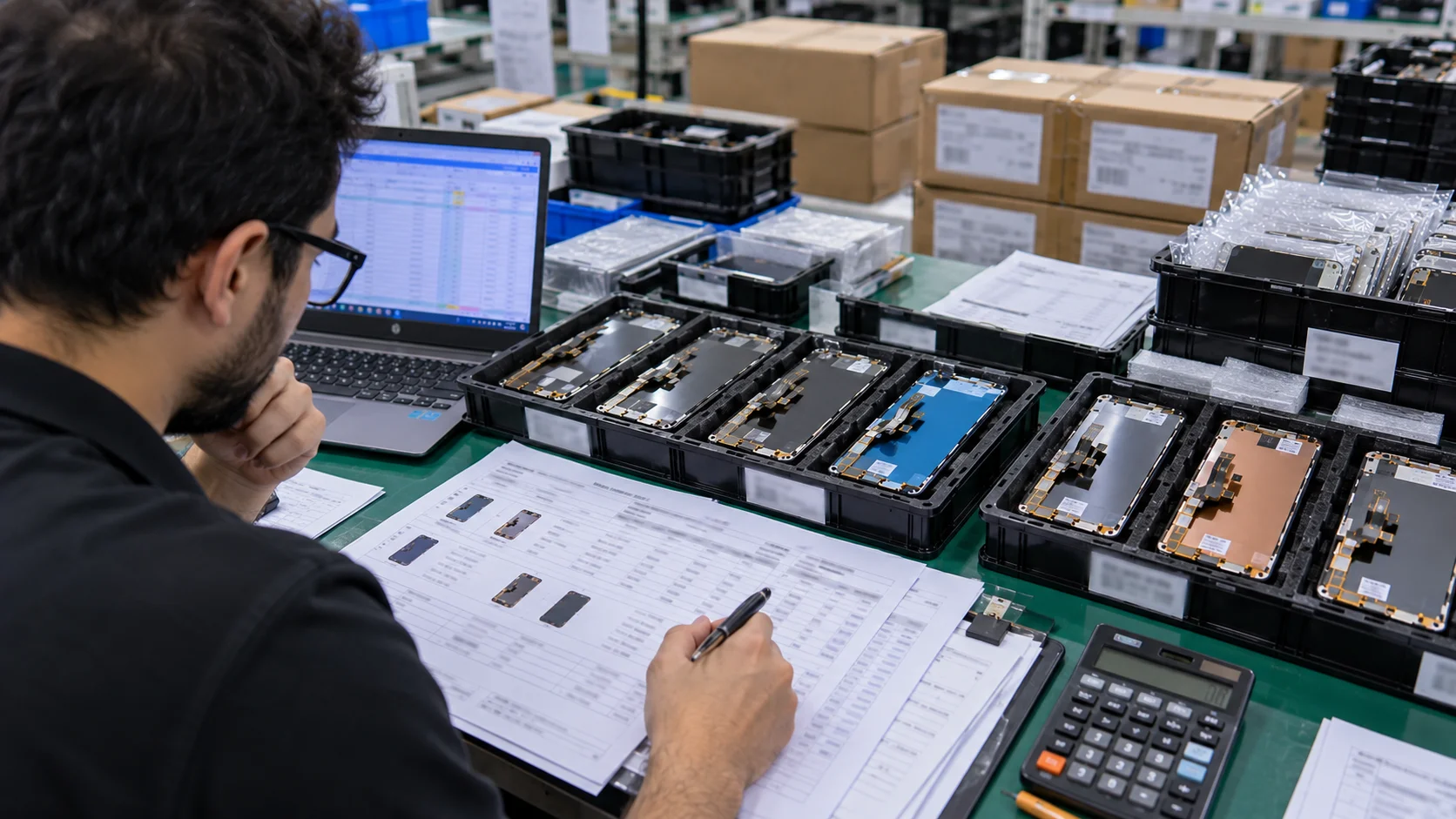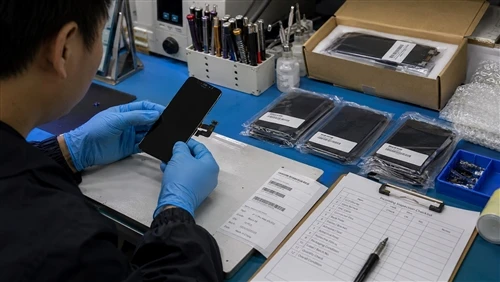
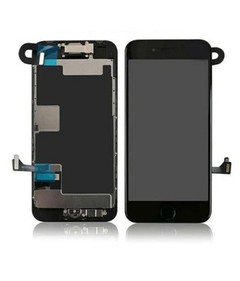
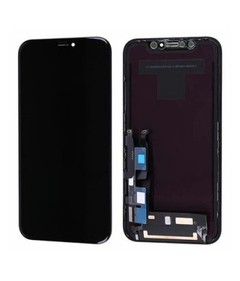
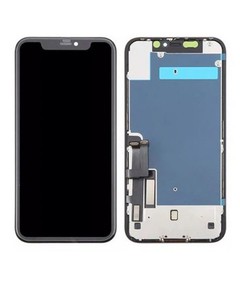
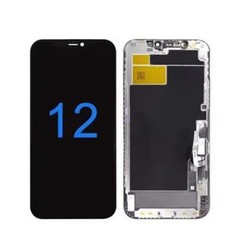
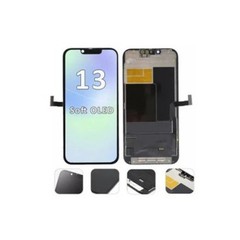
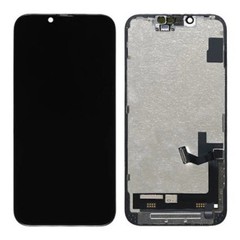
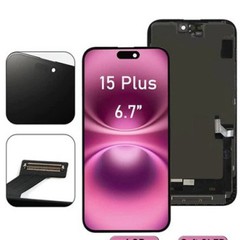
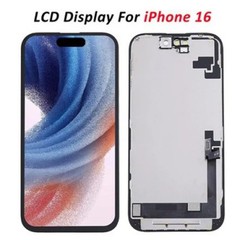
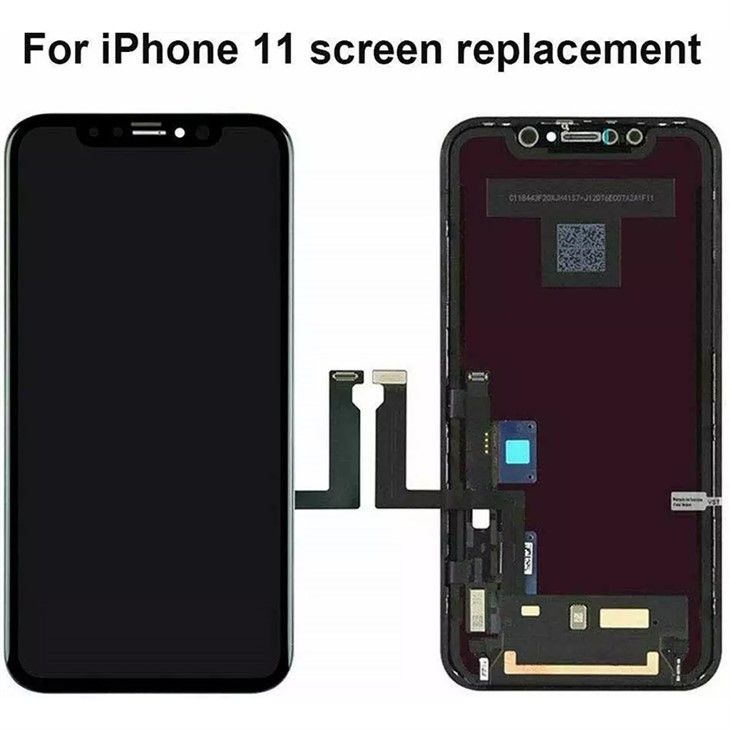
The iPhone 11 remains a cornerstone of the global repair market, maintaining a massive user base in high-growth regions like Southeast Asia, the Middle East, and South America. For repair shop owners and wholesalers, it represents a steady stream of revenue, provided you can navigate the complex landscape of aftermarket parts.
What Display Does iPhone 11 Use?
The standard iPhone 11 utilizes a 6.1-inch Liquid Retina HD display, which serves as a high-performance cornerstone of the device's hardware. Unlike the premium "Pro" models within the same series that transitioned to OLED panels, the iPhone 11 maintains a sophisticated architecture based on In-plane Switching (IPS) LCD technology. This advanced LCD-based design is specifically engineered to meet professional industry standards for visual fidelity.
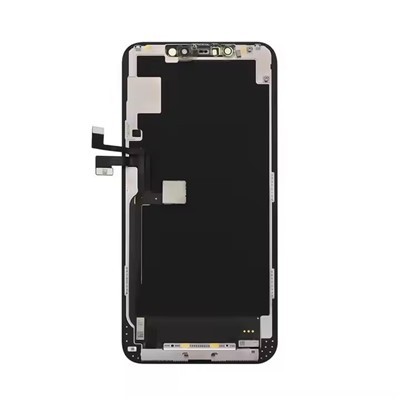
Key technical characteristics of this display include:
- Vivid Color Reproduction: The IPS architecture ensures exceptionally precise and vivid color reproduction that remains consistent across various lighting conditions.
- Broad Viewing Angles: This technology delivers exceptionally wide viewing angles, allowing the display to maintain clarity and color accuracy even when viewed from extreme off-center positions.
- Professional Luminance Levels: While original factory panels typically achieve a peak brightness of 625 nits, high-quality premium aftermarket Incell units are engineered to reach 550+ nits.
Complete Feature Support: To ensure that the device maintains its original ambient light sensor performance for a flawless user experience, premium-grade replacement panels are made to fully support True Tone functionality.
Incell LCD vs. OLED vs. Original Screen Comparison
Understanding the technical differences between these three tiers is critical for managing customer expectations and profit margins. If you are specifically looking for cost-effective solutions with high durability, you can explore our wholesale iPhone 11 Incell screen collection to see why this technology has become the industry standard for aftermarket repairs.
|
Feature |
Incell LCD (Premium) |
OLED (Hard/Soft) |
Original (Refurbished) |
|
Technology |
Integrated Touch + LCD |
Organic Light Emitting Diode |
Factory Liquid Retina |
|
Brightness |
550+ Nits |
600-800 Nits |
625 Nits (Typical) |
|
True Tone |
Fully Supported |
Supported |
Fully Supported |
|
Thickness |
Ultra-thin (Similar to OEM) |
Varies (Thicker if Hard) |
Standard |
|
Cost |
Most Cost-Effective |
High |
Very High |
Why iPhone 11 Screen Quality Varies in the Market?
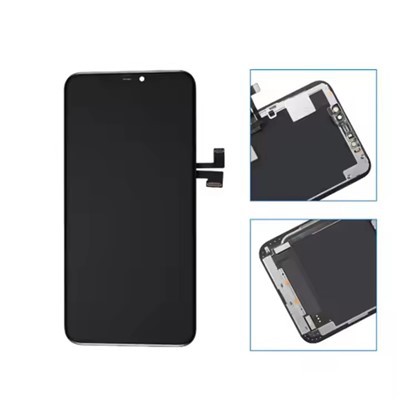
In the wholesale market, the quality of iPhone 11 replacement screens varies significantly, directly impacting repair shop return rates and customer satisfaction. To help major clients and distributors make precise purchases, we have segmented non-original screens in the market into the following three core grades:
- Premium Aftermarket (Incell): This is our top-of-the-line grade, designed for customers seeking an authentic experience. As a leading iPhone screen manufacturer, we ensure this grade uses high-end driver ICs and an OEM-compliant backlight system, supporting True Tone display with peak brightness exceeding 550 nits.
- Standard Grades: This grade provides steady operation and a low return rate by balancing cost and performance. Its brightness in high ambient light is marginally lower than that of the premium grade, and its color reproduction is usually colder. These screens may not be as readable in areas that receive a lot of sunshine, like the Middle East.
- Low-cost "Copy" Screens: These less expensive options are mainly aimed at very cost-conscious consumers. These screens frequently result in faster battery depletion, less touch sensitivity, and even uneven installation owing to measurement errors because they use cheap components and bigger bezels. In order to prevent screen-bezel separation and guarantee smooth functioning under high-frequency use, distributors are encouraged to give priority to flagship-level screens that have undergone 10-point multi-touch testing and cold-press bonding in locations with varying climates, such as Southeast Asia or South America.
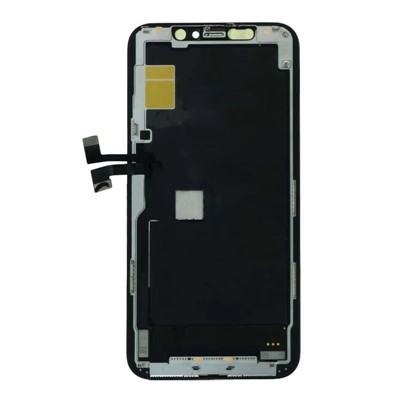
How to Choose the Best iPhone Screen Supplier?
Product consistency is essential to a regional distributor's success. Look for these manufacturing benchmarks while screening suppliers:
- True Tone Programmability: To preserve ambient light sensor features, make sure the screens are completely compatible with programmers.
- Touch Precision: To get rid of "dead zones," look for vendors who use 10-point multi-touch testing procedures.
- Frame Bonding: Poor glue fails in hot or humid regions, such as South America. To avoid frame lifting, use a provider who uses high-quality cold-pressed glue.
Factory-to-Business (F2B) partnerships eliminate middlemen markups and guarantee transparent pricing.
Cost Comparison: LCD vs. OLED vs. Original
For a repair shop, the "best" screen isn't always the most expensive; it's the one that offers the best ROI (Return on Investment).
|
Screen Type |
Relative Cost |
Best For... |
|
Incell LCD |
$29.9 |
High-volume repairs, budget-conscious users. |
|
OLED Aftermarket |
$49.9 |
Users demanding extreme contrast (though non-native for iPhone 11). |
|
Original Pull |
$69.9 |
High-end clients who demand 100% OEM parts. |
Note: Sourcing directly from a factory allows for higher service margins and the ability to offer more competitive retail pricing in your local market.
FAQs
Q: Does the iPhone 11 support True Tone on aftermarket screens?
A: Yes, provided you use a premium Incell or original-grade screen and a programmer to transfer the data from the original display.
Q: Why do some screens lift from the frame after a few months?
A: This is usually due to poor bonding. High-quality manufacturers use cold-pressed glue to ensure the LCD stays attached even in harsh, humid climates.
Q: Can I order small quantities to test quality?
A: Many top-tier factories now offer No-MOQ (No Minimum Order Quantity) policies, allowing you to test new quality grades without significant financial risk.
Ready to Upgrade Your Inventory?
Whether you need screens for the iPhone 11, 12, or legacy 7/8 series, we provide stable supply and factory-direct pricing. In addition to displays, we also offer a comprehensive range of iPhone replacement parts to help you maintain a one-stop-shop for all your repair needs.
Would you like me to generate a customized bulk price list template based on these quality grades for your records?