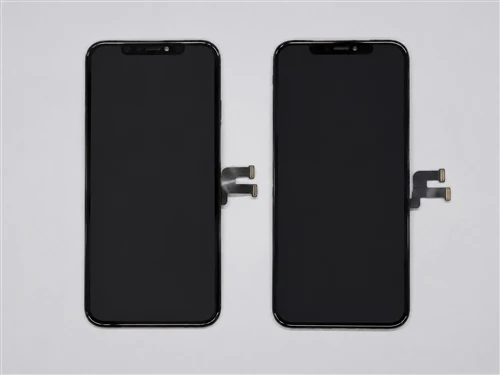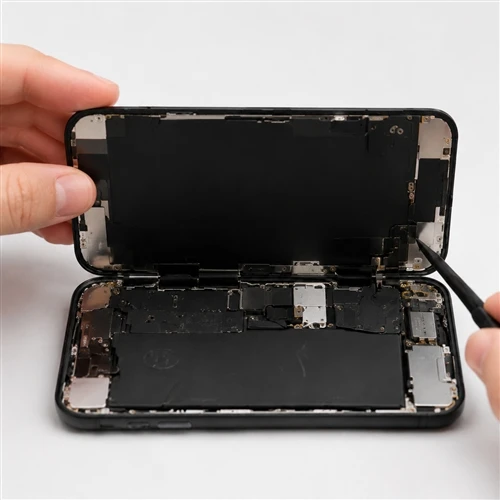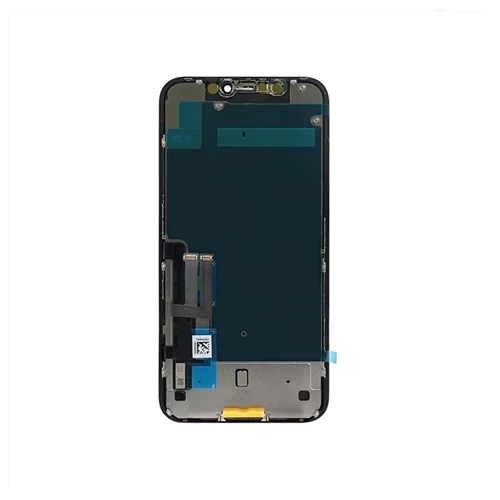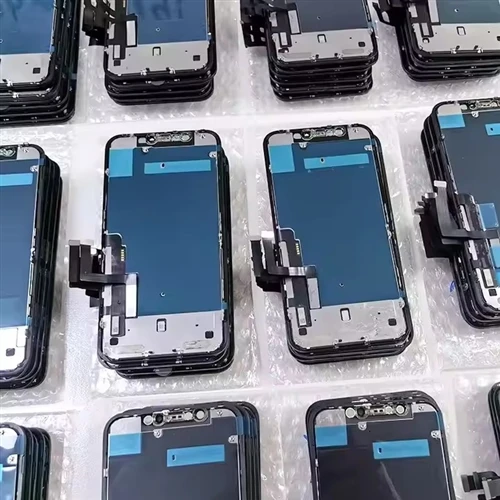
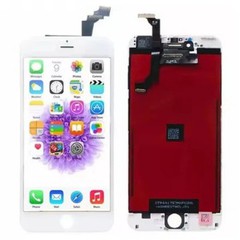
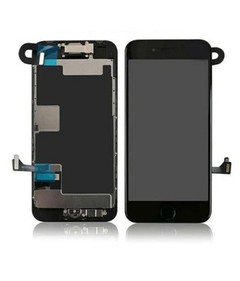
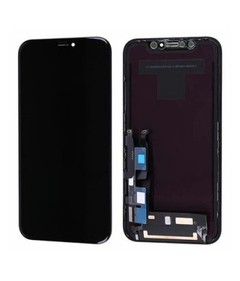
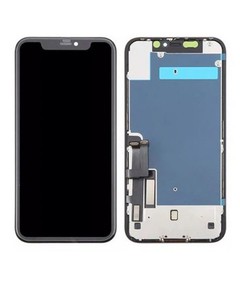
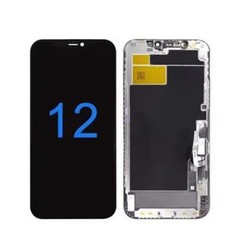
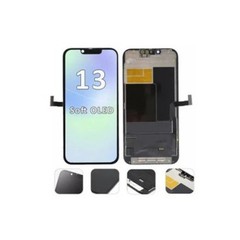
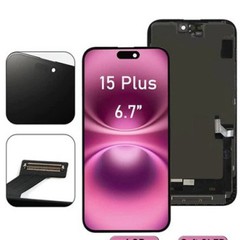
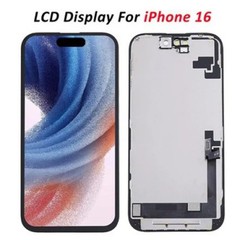
There's a phrase I hear on almost every introductory call with a new distributor: "We only want OLED-grade quality, not the cheap LCD stuff." Nine times out of ten, what they actually mean by "the cheap LCD stuff" is the old 3-in-1 OGS structure - not incell, which is a different build entirely and has been Apple's own LCD structure of choice since the iPhone 6. That mix-up costs buyers money, because they end up overpaying for OLED on models where incell would have done the job at a third of the cost.
So before we get into specs, let's clear that up, because it's the most expensive misunderstanding in this market right now.
 What Incell LCD Actually Is (Not What the Market Assumes)?
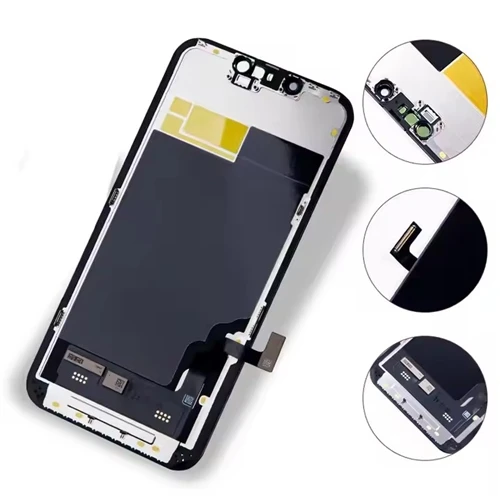
Incell LCD integrates the touch sensor directly into the LCD cell, rather than laminating a separate touch layer on top of the display - the structure used in older OGS panels. One fewer lamination layer means one fewer place for dust, misalignment, or air bubbles to create a defect. It's also thinner and slightly lighter than OGS. This is the structure Apple shipped on LCD-based iPhones starting with the iPhone 6-series through the last LCD generations before the lineup moved fully to OLED.
In plain terms for a buyer: incell isn't a downgrade from OLED, and it isn't the same thing as the older budget OGS panels still floating around this market. It's a separate middle tier, and for most repair-volume markets, it's the tier that actually makes commercial sense - which is exactly why we get more inbound requests from new distributors looking for an Incell LCD screen for iPhone manufacturer than for almost any other product line we run.
Three Myths I Hear Constantly From Buyers
Myth 1: "Incell is just cheaper OLED."
No - it's a different display technology entirely (LCD-based, not self-emissive), and it solves a structural lamination problem that OGS panels have, not a problem OLED has.
Myth 2: "All incell screens are basically the same quality."
This is the one that costs people the most. Touch latency, color consistency, and bonding tolerance vary significantly between factories depending on whether aging testing and ΔE color checks are actually enforced batch-to-batch, or just mentioned in a spec sheet.
Myth 3: "Lower price always means lower quality on incell."
Not necessarily - price differences in this market are often driven by MOQ tier, packaging level, and whether a factory runs in-house lamination versus outsourcing the touch-cell bonding step. Price alone tells you very little; ask what's actually different in the process.
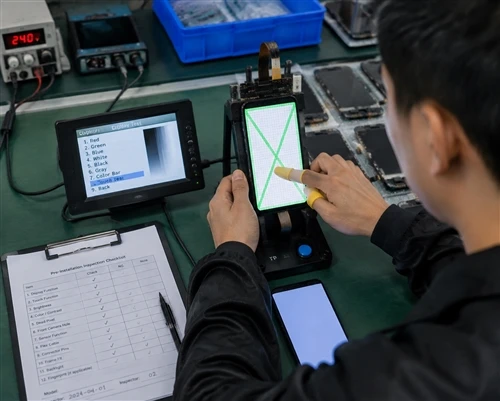
How We Actually Build and Test an Incell Panel?
This is the part that determines whether a batch of wholesale Incell iPhone screen replacement units comes back with a 0.15% return rate or a 5% one six months later - and you can see this exact process applied across our full product line, not just on paper.
- ITO coating and electrode formation on the substrate - the touch grid gets etched in here, and contamination at this stage is the most common cause of dead-touch-zone complaints later.
- Cell assembly and lamination, where we run color-consistency checks targeting ΔE<2 - meaning panels in the same batch shouldn't visibly drift in white point or color temperature, which matters a lot to distributors stocking color-matched batches for repair chains.
- Backlight and flex cable bonding, with touch latency tested at ≤12ms before a unit moves forward.
- Cover glass bonding, checked to ±0.1mm structural tolerance - this is the step most responsible for the edge-gap complaints buyers report during installation.
- 72-hour high-temperature aging test, run before final packing, not after - this catches the early-failure units (bad backlight, weak touch IC) before they ever leave the factory.
- Final functional inspection and anti-static export packaging, with 100% of units tested, not sample-batch tested.
Across our recent production runs, this sequence has held batch pass rates at 99.8% with field return rates under 0.15%, and we've gone three consecutive years without a major quality complaint from our top three export markets. Ask any incell supplier for their version of these numbers in writing - if they can't produce them, they're probably not measuring them.

A Vetting Checklist for Choosing an Incell iPhone LCD Screen Supplier
Whether you're comparing one Incell LCD screen for iPhone wholesale quote against another, or vetting a brand-new factory relationship from scratch, here's exactly what I'd ask before signing anything:
- Ask for the ΔE color tolerance spec, not just "color tested."
- Confirm whether aging testing happens before packing, not after - sequence matters more than the test itself.
- Get the touch latency number in milliseconds. A spec sheet without a number is marketing copy.
- Ask about MOQ flexibility by model - demand for older models (6/7/8-series) is shifting differently by region, and a one-size MOQ usually means production planning hasn't kept up.
Ask what their return/replacement process looks like for a defective batch, in writing, before you order.
The Next Five Years for Incell Demand
A few things worth planning your inventory around, not just reacting to:
- OLED production costs are falling, which will keep pushing OLED further into mid-tier models over time - but that shifts incell demand toward the still-massive installed base of 6 through 8-series devices rather than eliminating it, especially as right-to-repair rules in the EU and parts of the US extend how long older phones stay in active repair circulation.
- Automation in SMT and COF bonding is widening the quality gap between serious manufacturers and smaller assemblers, not closing it - the factories investing in tighter process control now will separate further from the ones that aren't.
- More of the established factories, ours included, are already laying groundwork in flexible and AMOLED R&D for the next display generation - that's a multi-year transition, and incell will remain the dominant repair-part structure for current-generation LCD-based iPhones well before that shift reaches the repair parts market in volume.
- Buyers are increasingly asking for batch-level return data as part of supplier contracts, not just a verbal quality claim - that's a healthy shift, and it's worth getting ahead of by asking your current suppliers for this now.
FAQ
Is incell LCD the same as the original screen Apple shipped?
It's the same structural technology Apple used, built by a different manufacturer. It is not a panel pulled from a new device - it's a newly manufactured aftermarket panel built to that structure.
What MOQ should I expect for wholesale Incell iPhone LCD screen orders?
This varies by model and factory, with most suppliers offering tiered pricing across sample, mid-volume, and container-level orders - older models typically allow smaller minimums than current-generation panels.
Will an incell screen support 3D Touch on models that originally had it?
Yes - that's controlled by the touch IC and digitizer, not the lamination structure, so a properly built incell panel supports it where the original hardware did.
How do I know if a supplier's "AAA grade" incell claim is real?
Ask them to define it component by component - touch IC source, backlight grade, glass grade, color temperature tolerance. A real grading system can explain itself; a marketing label usually can't.