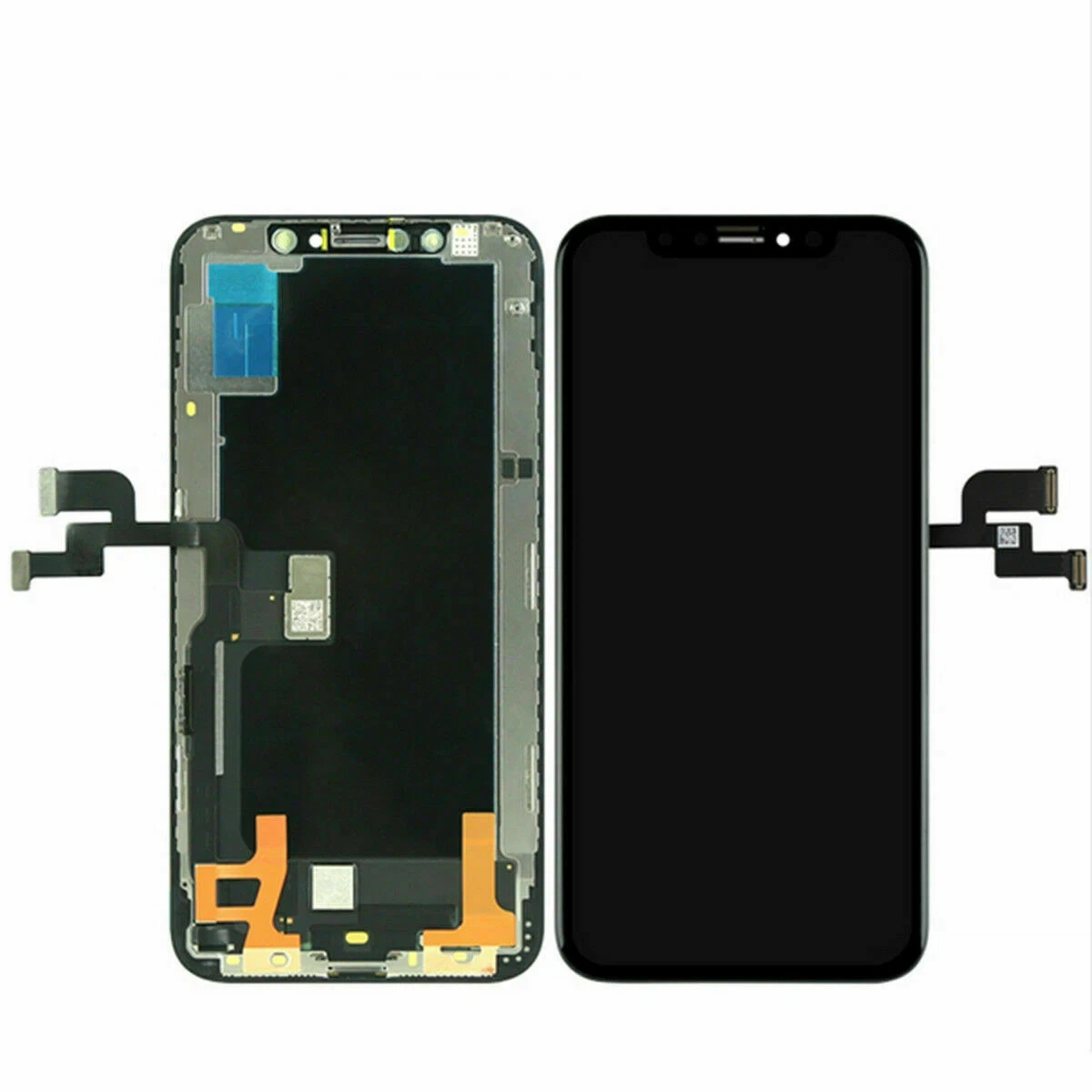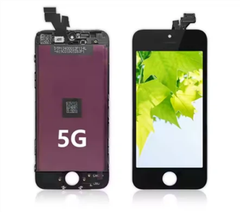
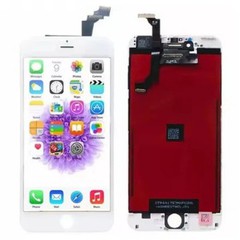
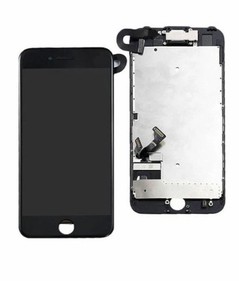
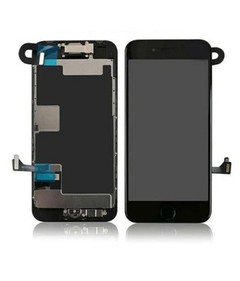
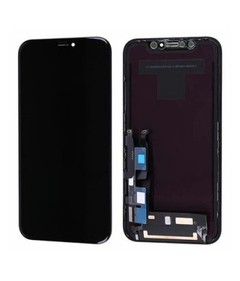
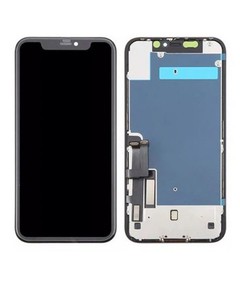
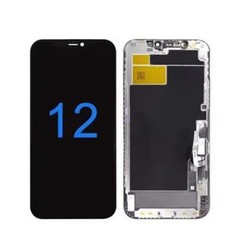
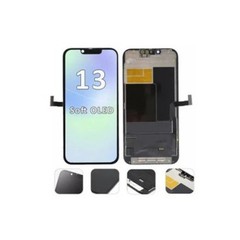
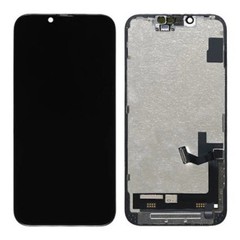
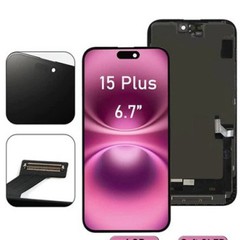
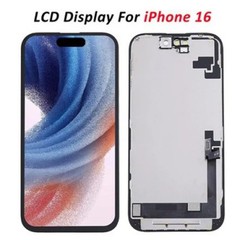
Introduction to iPhone Screen Replacement
Learning how to replace iPhone screen is one of the most valuable skills in today's mobile repair industry. With millions of iPhones in use worldwide, screen damage remains the most common issue users face.
Whether you are a repair technician, wholesaler, or business owner, understanding iPhone screen replacement can help you tap into a highly profitable market. At the same time, choosing the right iPhone screen replacement parts is critical for delivering high-quality results.
In this guide, we'll walk you through the complete process of how to replace iPhone screen, along with expert tips, tools, and sourcing strategies.
Why iPhone Screen Replacement is in High Demand?
Growing Repair Market
The demand for iPhone screen replacement continues to grow rapidly. As new iPhone models become more expensive, users prefer repairing their devices instead of replacing them.
This trend creates strong demand for:
- iPhone LCD screen replacement
- iPhone screen replacement parts
- Reliable iPhone screen suppliers
For businesses, this means consistent opportunities for revenue and growth.
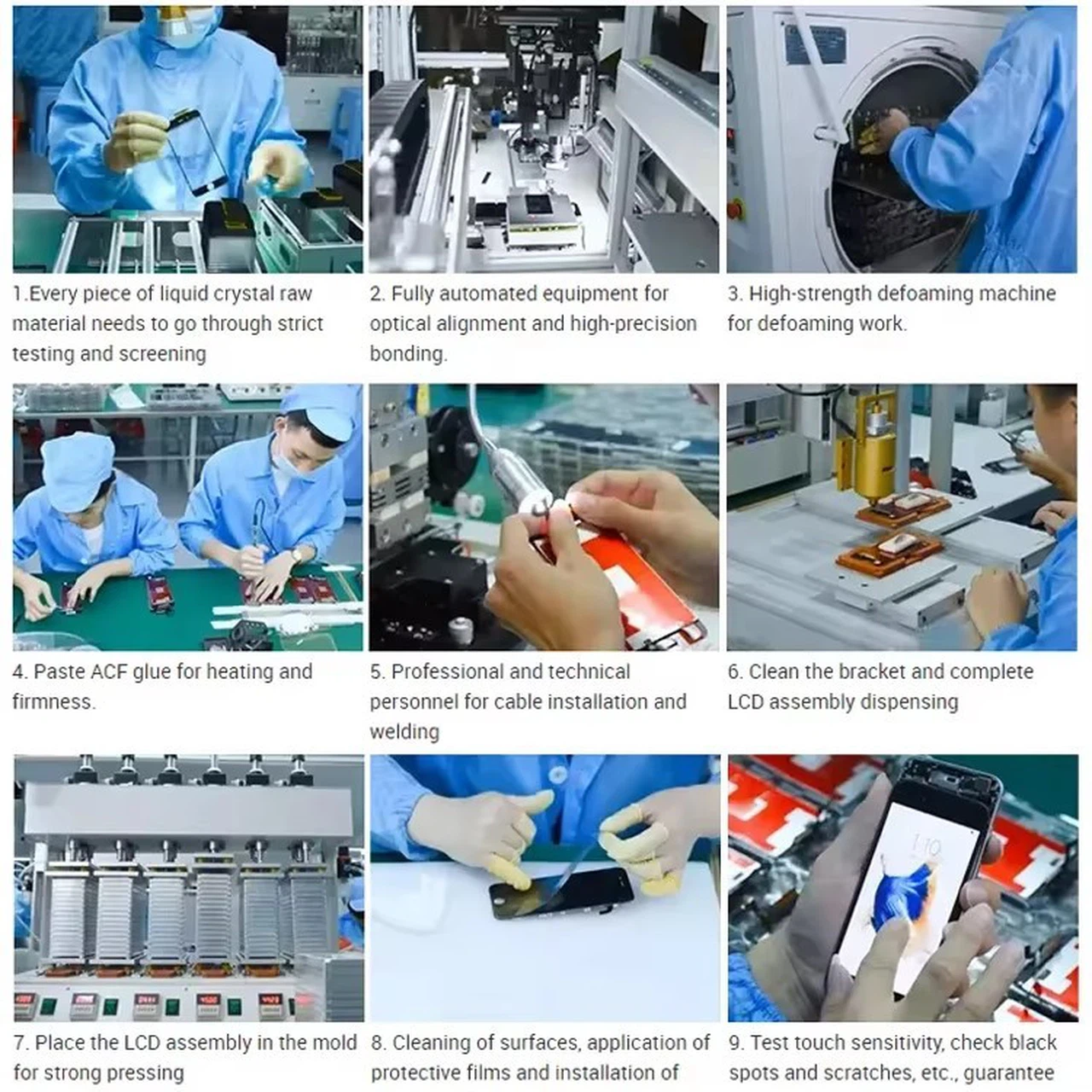
Common Causes of Screen Damage
Most users need to learn how to replace iPhone screen due to:
- Accidental drops
- Pressure damage
- Water exposure
- Manufacturing wear over time
These issues make screen replacement one of the most frequent repair services.
Tools Needed to Replace iPhone Screen
Basic Repair Tools
Before learning how to replace iPhone screen, prepare the following tools:
- Pentalobe screwdriver
- Phillips screwdriver
- Plastic pry tool
- Suction cup
- Tweezers
These are essential for safe and effective iPhone screen replacement.
Advanced Professional Tools
For better efficiency and precision:
- Heat gun or heating pad
- Magnetic screw mat
- Anti-static wrist strap
Professional tools help reduce errors during iPhone screen replacement.
Step-by-Step Guide: How to Replace iPhone Screen
Step 1: Preparation
Proper preparation is key when learning how to replace iPhone screen.
Steps:
- Turn off the iPhone
- Remove SIM card
- Discharge battery below 25%
- Work on a clean, static-free surface
Preparation ensures safety and prevents damage.
Step 2: Removing the Broken Screen
This is the most delicate part of iPhone screen replacement.
Steps:
- Remove bottom screws
- Use suction cup to lift screen
- Insert pry tool carefully
- Disconnect battery
- Remove display connectors
⚠️ Always handle flex cables gently.
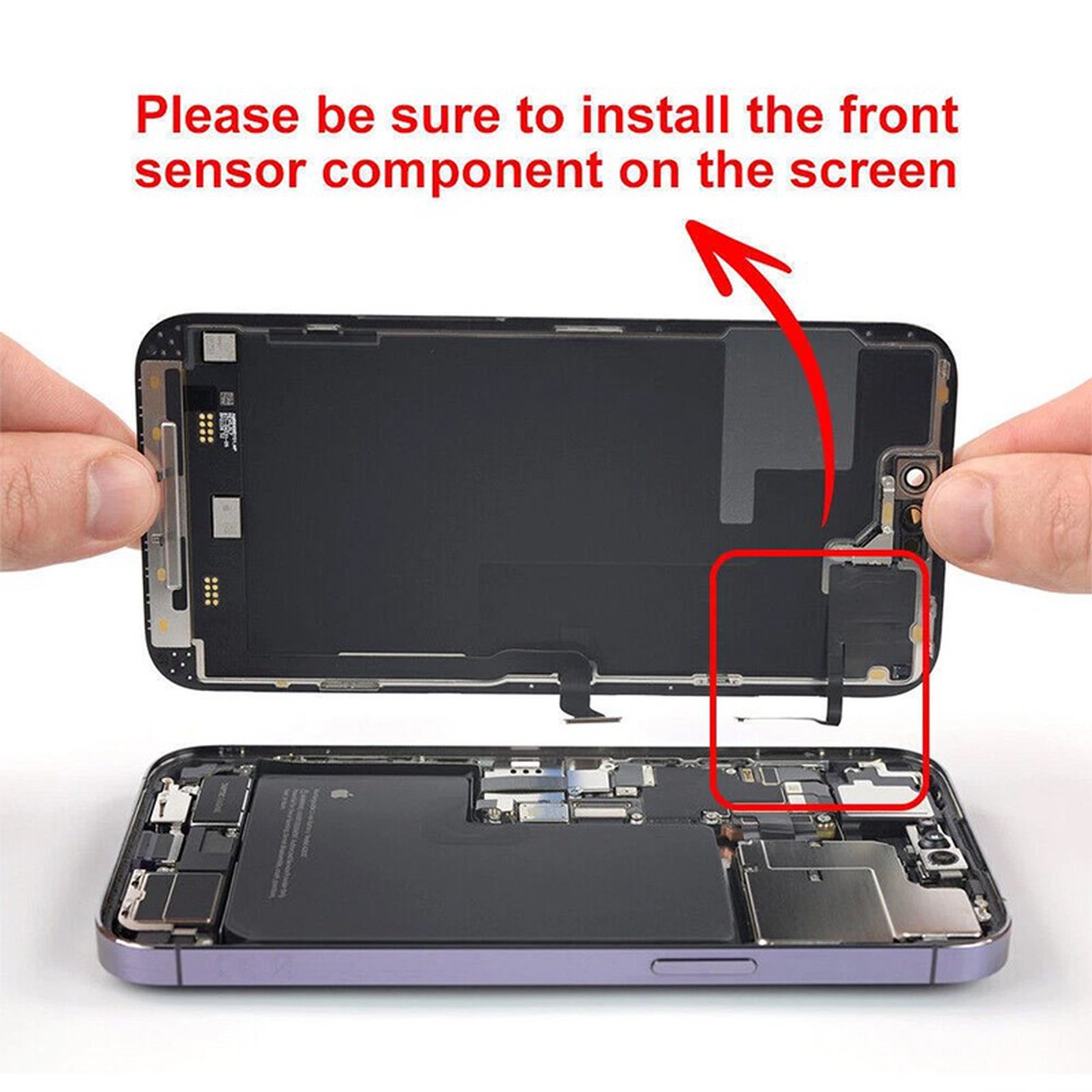
Step 3: Installing the New Screen
Now install your iPhone screen replacement parts:
- Connect new screen cables
- Reconnect battery
- Test display and touch
- Reassemble the device
- Secure screws
Testing before final assembly is critical.
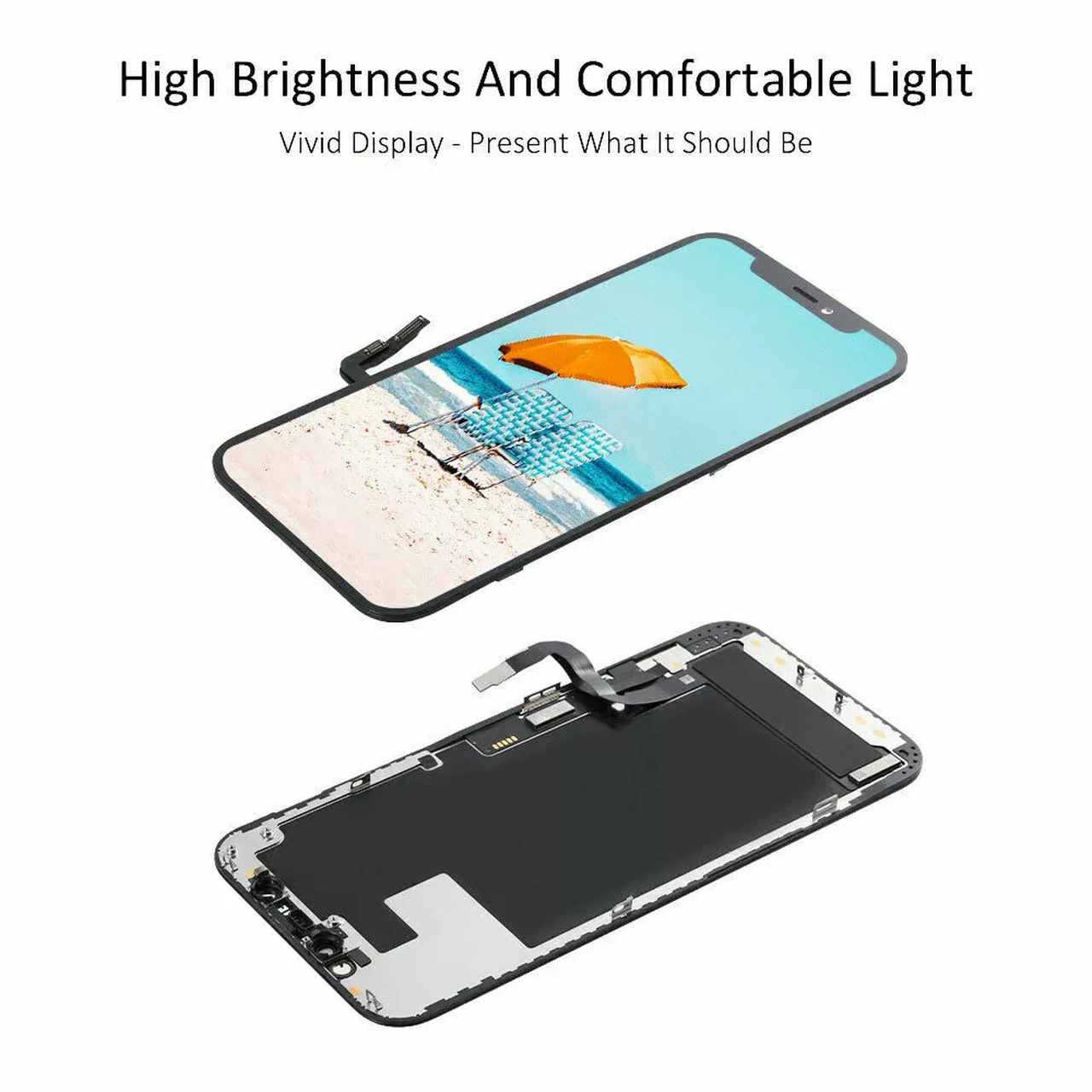
Best iPhone Screen Replacement Parts to Use
LCD vs OLED Replacement
When choosing iPhone screen replacement parts, consider:
- LCD screens
- Lower cost
- Durable
- Ideal for wholesale
- OLED screens
- Higher quality display
- More expensive
Most repair shops prefer LCD for cost efficiency.
OEM vs Aftermarket Screens
Your choice of iPhone screen supplier affects quality.
- OEM screens
- High quality
- Better performance
- Aftermarket screens
- Affordable
- Quality varies
Always test before bulk purchasing.
Common Problems After iPhone Screen Replacement
Even when you know how to replace iPhone screen, issues can occur:
- Touch not responding
- Screen flickering
- Display not turning on
- Face ID not working
These problems are usually caused by:
- Poor quality parts
- Loose connectors
- Installation mistakes
Cost of iPhone Screen Replacement
The cost of iPhone screen replacement depends on:
- iPhone model
- Screen type (LCD or OLED)
- Supplier pricing
Typical pricing:
- Wholesale: $15–$80
- Retail repair: $80–$200
Working with a reliable iPhone screen supplier helps control costs.
How to Choose a Reliable iPhone Screen Supplier?
Choosing the right iPhone screen supplier is crucial.
Look for:
- Stable product quality
- Competitive pricing
- Fast shipping
- Warranty support
A professional iPhone screen supplier ensures consistent supply and fewer defects.
Tips for Repair Shops to Increase Profit
If you run a repair business, here's how to maximize profit:
1. Buy in Bulk
Working with a wholesale iPhone screen supplier reduces costs.
2. Offer Tiered Pricing
Provide different options:
- Budget (aftermarket)
- Premium (OEM)
3. Improve Repair Speed
Faster repairs = more customers.
4. Focus on Quality
High-quality iPhone screen replacement parts reduce returns.
FAQs
1. How long does it take to replace an iPhone screen?
Typically 20–40 minutes for experienced technicians.
2. Is it easy to learn how to replace iPhone screen?
With practice and proper tools, it becomes easier over time.
3. What is the best screen type for replacement?
LCD is best for affordability, while OLED offers better display quality.
4. Why is my screen not working after replacement?
It may be due to loose connectors or faulty parts.
5. Where can I buy iPhone screen replacement parts?
From a trusted iPhone screen supplier specializing in wholesale.
6. Is bulk buying recommended?
Yes, it reduces cost and increases profit margins.
Conclusion
Understanding how to replace iPhone screen is essential for anyone in the mobile repair or parts business. With the right tools, techniques, and high-quality iPhone screen replacement parts, you can deliver reliable repairs and grow your business.
As the demand for iPhone screen replacement continues to rise, working with a professional iPhone screen supplier will give you a strong competitive advantage.
Start improving your repair process today and take advantage of this growing market.