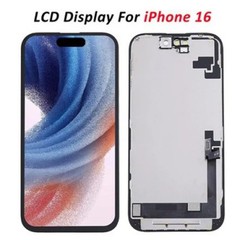
Introduction
For repair shops, wholesalers, and distributors, one of the biggest challenges in sourcing iPhone LCD screens is not price-it is consistency.
Many buyers have experienced situations like:
- The first batch quality is good, but the next batch is unstable
- Screens start flickering after installation
- Touch performance varies between shipments
- Delivery delays disrupt business operations
These issues are not random. They are usually caused by working with suppliers that lack real manufacturing control.
A professional iPhone LCD screen factory operates very differently.
In this article, we will explain how a reliable factory ensures stable quality, consistent performance, and long-term supply, and why this matters for your wholesale iPhone screen business.
Why Stability Matters More Than Price?
For B2B buyers, unstable quality is more expensive than high pricing.
Problems caused by inconsistent iPhone LCD screen replacement quality include:
- Increased return rates
- Higher labor costs
- Customer dissatisfaction
- Damage to brand reputation
A stable iPhone LCD screen supplier helps reduce these risks and improve long-term profitability.

What Defines a Real iPhone LCD Screen Factory?
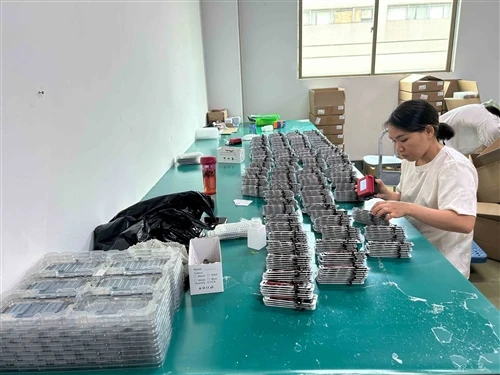
Not all suppliers are manufacturers. Many are trading companies.
A real iPhone LCD screen manufacturer typically has:
- In-house production lines
- Quality control teams
- Testing equipment
- Stable raw material sourcing
Working directly with a factory ensures better control over both quality and supply.
Inside the Production Process (Step-by-Step)
Understanding the production process helps buyers evaluate supplier capability.
1. Raw Material Selection
High-quality screens start with high-grade materials.
A professional factory carefully selects:
- LCD panels
- Backlight components
- Touch IC and flex cables
Poor material selection is one of the main reasons for:
👉 cheap iPhone screen problems
2. Assembly Process
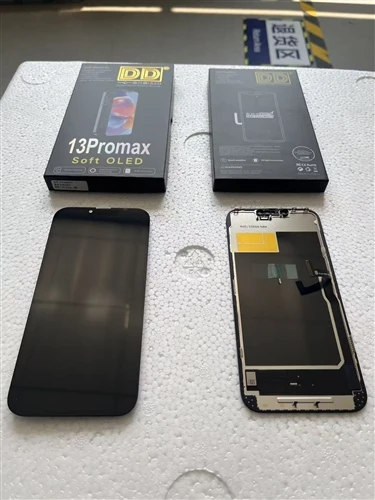
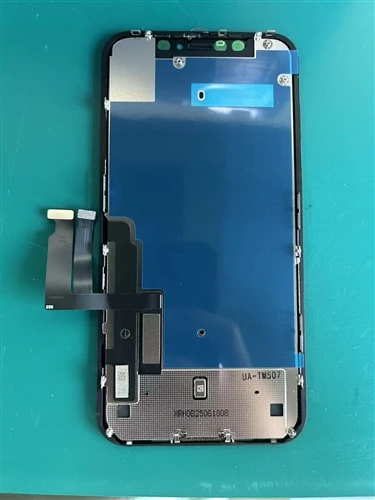
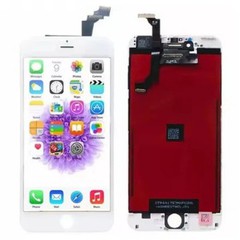
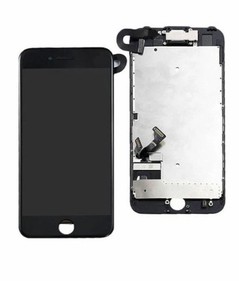
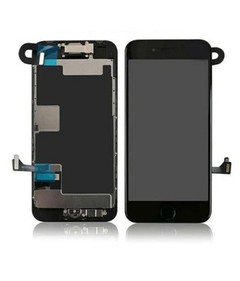
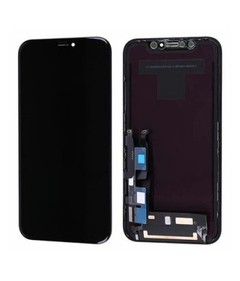
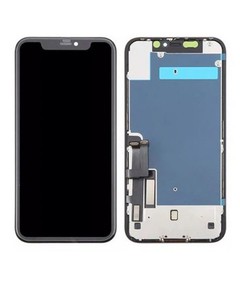
During assembly, multiple components are integrated into a complete iPhone LCD screen replacement.
Key factors include:
- Precision alignment
- Clean production environment
- Controlled bonding process
Even small deviations can lead to:
- Screen flickering
- Touch instability
3. Functional Testing
Every screen should undergo full functional testing before shipment.
This includes:
- Display testing (brightness, color)
- Touch testing
- Compatibility testing
4. Aging Test (Stability Verification)
Aging tests simulate long-term use.
Screens are powered on for extended periods to detect:
- Flickering issues
- Backlight instability
- Touch failure
This step is critical for bulk iPhone screen orders.
5. Final Inspection and Packaging
Before shipping, screens are inspected again and carefully packaged.
Proper packaging ensures:
- Protection during shipping
- Reduced damage rate

How Factories Ensure Consistent Quality Across Batches
Consistency is what separates professional factories from unstable suppliers.
1. Standardized Production Process
Every batch follows the same strict production procedures.
2. Stable Supply Chain
Reliable factories maintain consistent material sourcing.
3. Batch Testing System
Each batch is tested and recorded to ensure uniform quality.
4. Quality Traceability
Professional factories can trace issues back to specific batches.
Supply Stability: Why It Matters for Your Business
For distributors and repair chains, supply interruption can be critical.
A reliable wholesale iPhone screen supplier ensures:
- Continuous inventory availability
- Fast order processing
- On-time delivery
Common Problems When Working with Unreliable Suppliers
1. Inconsistent Quality
Different batches perform differently.
2. High Defect Rates
Leading to increased returns and costs.
3. Unstable Delivery
Delays affect your business operations.
4. Lack of After-Sales Support
No proper warranty or replacement policy.
How to Verify a Real Factory Supplier?
Before choosing a supplier, buyers should:
- Request factory videos or photos
- Test product samples
- Check production capability
- Evaluate communication efficiency
Why Repair Businesses Prefer Factory Direct Supply?
Professional buyers choose factory suppliers because:
- Better pricing
- Stable quality
- Reliable supply
- Long-term cooperation

Recommended Strategy for Wholesale Buyers
To ensure business stability, you should:
- Work with a trusted iPhone LCD screen factory
- Focus on consistent quality rather than lowest price
- Build long-term supplier relationships
- Regularly test products
Conclusion
A reliable iPhone LCD screen factory does more than just produce screens-it provides stability, consistency, and long-term value.
For repair shops, wholesalers, and distributors, choosing the right supplier is the foundation of a successful wholesale iPhone screen business.
By working with a professional factory that follows strict production and quality control processes, you can reduce risks, improve customer satisfaction, and grow your business with confidence.