Introduction
For repair shops, distributors, and refurbishing companies, one of the biggest challenges in sourcing iPhone LCD screens is identifying true quality.
Many suppliers claim to offer AAA iPhone LCD screens, but in reality, product quality can vary significantly between manufacturers. Without a clear inspection standard, buyers often face issues such as:
- Screen flickering after replacement
- Touch not working properly
- Color inconsistency
- High return rates
For businesses dealing with wholesale iPhone screen orders, these issues directly affect profitability and reputation.
This guide provides a complete and practical inspection framework to help you accurately evaluate iPhone LCD screen replacement quality before placing bulk orders.
Why Quality Identification Matters in Bulk Purchasing?
Unlike small-scale purchasing, bulk buying requires consistency.
A single defective batch of iPhone LCD screens can result in:
- Large financial losses
- Increased warranty claims
- Customer dissatisfaction
- Damage to business reputation
Therefore, knowing how to inspect and verify quality is essential when working with an iPhone LCD screen supplier.

Key Components That Determine Screen Quality
Before testing, it is important to understand what affects screen performance.
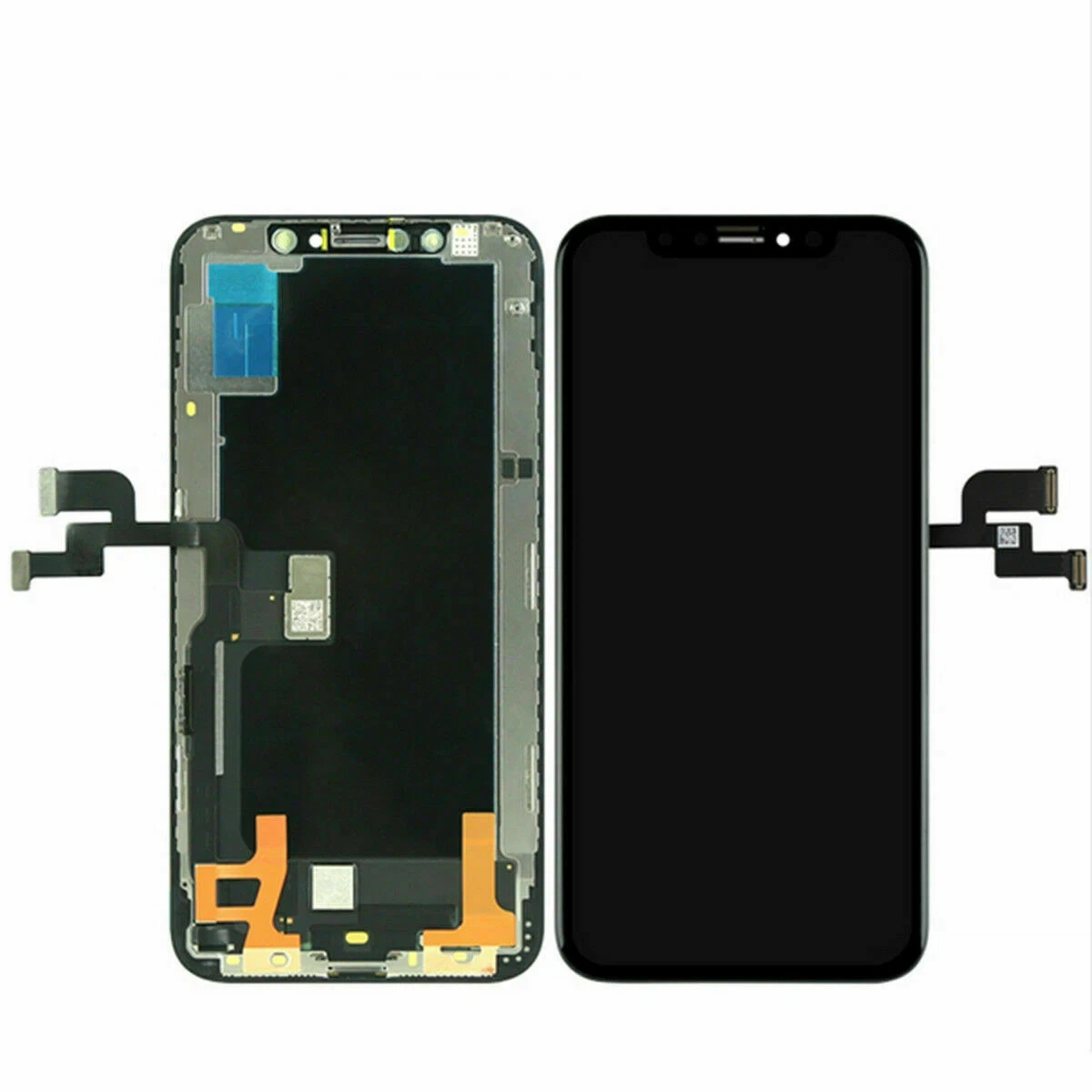
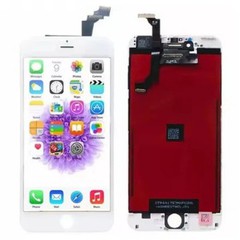
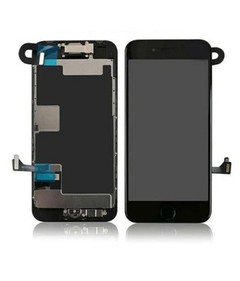
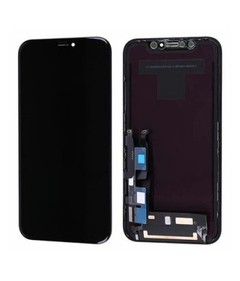
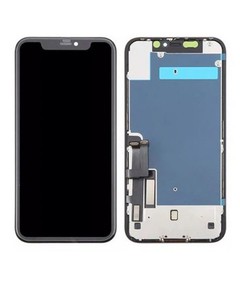
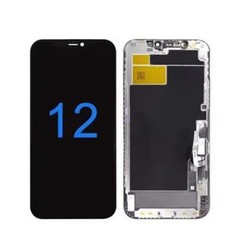
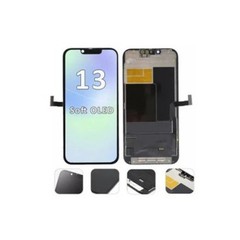
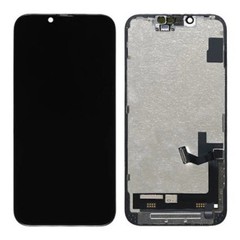
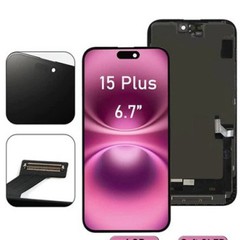
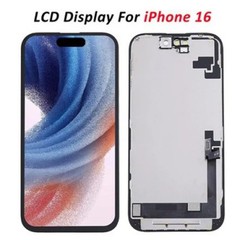
A complete iPhone LCD screen replacement consists of:
- Display panel (affects clarity and color)
- Backlight module (affects brightness)
- Touch digitizer (affects responsiveness)
- Flex cable (affects signal transmission)
Each component must meet high standards to ensure overall stability.
Step 1: Visual Inspection (First-Level Quality Check)
The first step is a basic visual inspection.
What to check:
- No scratches or cracks on the glass
- Clean and dust-free surface
- Proper alignment of components
Low-quality screens often show visible defects even before testing.
Step 2: Brightness and Backlight Testing
Brightness stability is one of the most important indicators of quality.
Test method:
- Adjust brightness from low to maximum
- Observe for flickering or uneven lighting
High-quality standard:
A good AAA iPhone LCD screen should provide:
- Uniform brightness
- No flashing or instability
Step 3: Color Accuracy and Display Quality
Color performance directly affects user experience.
What to check:
- Natural color tone (no yellow/blue tint)
- High contrast
- Clear resolution
High-quality Incell iPhone LCD screens usually provide excellent color consistency.
Step 4: Touch Sensitivity Testing
Touch performance is critical for functionality.
Test method:
- Swipe across the entire screen
- Test multi-touch gestures
- Check edge responsiveness
High-quality standard:
- No dead zones
- Instant response
- Smooth operation
Step 5: Dead Pixel and Line Inspection
Carefully examine the screen for:
- Dead pixels (black or white dots)
- Vertical or horizontal lines
Even small defects can impact resale value.
Step 6: Flex Cable and Connector Check
The flex cable is often overlooked but extremely important.
What to check:
- No visible damage
- Strong and stable connectors
- Proper alignment
A weak connector can cause intermittent display problems.
Step 7: Functional Testing (Before Installation)
Always test the screen before final installation.
Key checks:
- Display stability
- Touch accuracy
- Brightness adjustment
- True Tone compatibility
Step 8: Aging Test (Professional Level)
Professional iPhone LCD screen manufacturers perform aging tests to ensure long-term stability.
Process:
- Continuous operation for several hours
- Monitor brightness and touch performance
This step is crucial for bulk iPhone screen orders.

How to Differentiate AAA Screens from Low-Quality Screens?
| Feature | AAA Quality | Low Quality |
|---|---|---|
| Brightness | Stable | Flickering |
| Color | Accurate | Distorted |
| Touch | Smooth | Lagging |
| Durability | High | Short lifespan |
Common Mistakes Buyers Make When Inspecting Screens
1. Only Checking Appearance
Many buyers only look at external condition and ignore performance.
2. Skipping Functional Testing
This leads to installing defective screens.
3. Trusting Supplier Claims Without Verification
Not all "AAA screens" meet real standards.
Why Choosing the Right Supplier Is Critical?
Even with inspection knowledge, working with a reliable iPhone LCD screen supplier is essential.
A professional supplier ensures:
- Consistent quality
- Strict QC process
- Stable bulk supply
Recommended Strategy for Wholesale Buyers
To minimize risk and maximize profit:
- Always request samples
- Perform full inspection tests
- Choose factory-based suppliers
- Focus on AAA quality screens
Conclusion
Identifying high-quality iPhone LCD screens requires a systematic approach that includes visual inspection, functional testing, and supplier evaluation.
For repair shops and distributors, mastering these inspection methods is essential to reducing defects, improving customer satisfaction, and building a successful wholesale iPhone screen business.
Choosing the right iPhone LCD screen supplier combined with proper quality control will ensure long-term business growth and stability.