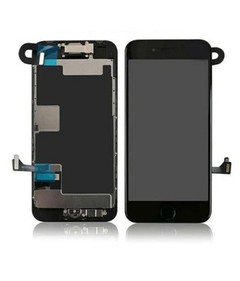
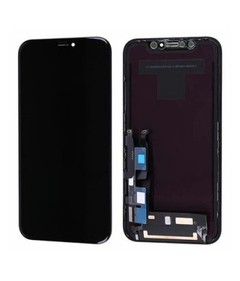
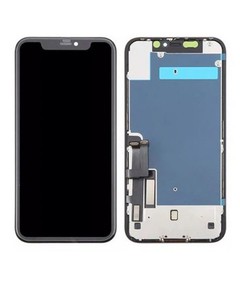
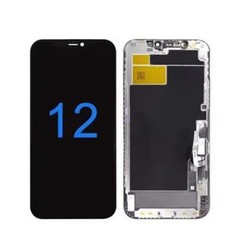
The iPhone repair industry is no longer just about fixing a broken glass; it's about navigating a complex ecosystem of display technologies, pricing volatility, and consumer expectations. For professional repair shop owners and global parts wholesalers, choosing the right screen is the difference between a high-margin, loyal customer base and a business plagued by costly RMAs.
In this 2026 definitive guide, we provide a factory-level technical analysis to help you optimize your supply chain and maximize profitability.
Understanding the Core: LCD vs. OLED vs. Incell Technology

Before placing a bulk order, it is vital to understand that not all iPhone screens are created equal. Since the iPhone 11 series, the market has split into distinct technological paths.
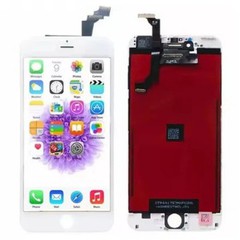
The Liquid Retina:Used in models like the iPhone 11, this technology relies on In-plane Switching (IPS) for wide viewing angles and color accuracy. Original-grade panels reach 625 nits, while premium Incell versions hover around 550+ nits.
Used in models like the iPhone 11, this relies on In-plane Switching (IPS) for color accuracy. While original panels reach 625 nits, our premium iPhone LCD Screen replacements utilize advanced Incell technology to provide a near-original 550+ nit brightness at a fraction of the cost.
|
Feature |
Incell LCD (Premium) |
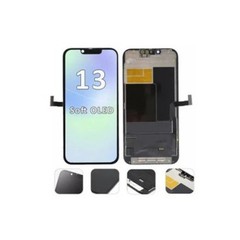
Hard OLED |
Soft OLED |
|
Durability |
High (Flexible) |
Brittle (Easy to crack) |
High (Flexible) |
|
Color Contrast |
1400:1 |
Infinite |
Infinite |
|
Cost Efficiency |
Best for Wholesale |
Mid-range |
Premium |
|
Best For |
iPhone 11 / XR / 7 / 8 |
Budget iPhone 12-15 |
Premium iPhone 12-15 |
3-Tier Quality Framework: Navigating the 2026 Wholesale Market
As a professional manufacturer, we categorize the current market into three distinct grades to simplify your procurement:
- Premium Aftermarket: Engineered with high-end driver ICs and original-spec backlights. These support True Tone and 10-point multi-touch, ensuring a user experience indistinguishable from the original.
- Standard Grades: These are functional and stable but often feature cooler color temperatures. They may struggle in high-sunlight regions like the Middle East due to lower luminance.
- Utilizing thicker bezels and inefficient components, these lead to battery drain. To protect your brand reputation, we recommend sourcing from a verified iPhone Screen Wholesale partner that prioritizes Grade-A quality over bottom-tier pricing.
Data-Driven Selection: How to Verify Screen Quality Before Buying
Based on 2026 industry benchmarks, we recommend a three-tier quality audit to ensure long-term reliability and minimize return rates:
- True Tone & Sensor Synchronization: Modern consumers demand seamless integration. Beyond simple replacement, ensure every batch is fully programmable. High-tier screens must retain original IC chip data to support True Tone functionality and ambient light sensor accuracy, preventing common auto-brightness glitches.
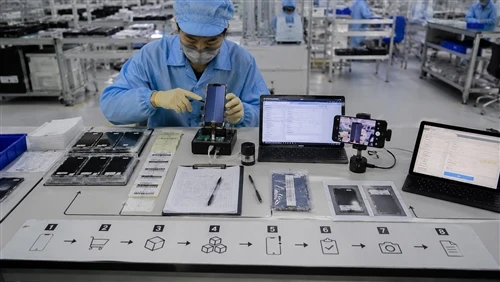
- The "Cold-Pressed" Structural Integrity: In high-humidity or tropical climates, inferior thermal-bonded frames often suffer from "frame lifting." Our screens utilize a premium cold-pressed glue bonding process. This chemical-grade adhesion ensures the glass and bracket remain inseparable even under extreme thermal expansion, providing 40% higher structural durability than standard aftermarket options.
- 10-Point Precision Touch Protocol: To eliminate "dead zones," our factory implements a specialized 10-point multi-touch testing strategy. By auditing the digitizer's response at maximum frequency, we guarantee a fluid, lag-free experience. High-sensitivity touch performance is the primary driver in reducing post-sale complaints and building end-user brand loyalty.

Industry Outlook: Future Trends in iPhone Display Sourcing (2026–2031)

As we look toward the next five years, the iPhone repair landscape is shifting:
Standardization of Incell for Legacy Models: As OLED becomes standard for new iPhones, Incell technology is reaching its peak maturity for models 11 through 15, offering near-OLED performance at 40% less cost.
Sustainability & Circular Economy: There is a growing demand for "Refurbished Original" screens. Wholesalers who can provide high-quality reclaimed glass with new flex cables will capture the premium eco-conscious market.
AI-Driven QC: Expect factories to implement AI-visual inspection to catch micro-defects in pixels that the human eye misses, leading to a "Zero-Defect" industry standard.
Why Partnering with a Factory-Direct Supplier is Your Best Strategy
Choosing a supply chain partner is a strategic move for sustaining a profitable business in a volatile market. By moving to a Factory-to-Business model, you gain:
Tier-One Pricing: Eliminate middlemen and regional trading markups to increase your service margins.
OEM & Branding Support: Move beyond generic parts with custom logo printing and bespoke packaging to build customer loyalty.
Inventory Agility: Our No-MOQ policy allows you to manage cash flow with precision, reducing the risk of overstocking while testing new quality grades

FAQ: Common Questions from Professional Repair Buyers
Q: Can I use an Incell screen on an iPhone that originally had OLED?
A: Yes, for models like the iPhone 12 or 13, Incell replacements are a popular cost-saving measure for budget-conscious customers, though OLED remains the premium choice for color depth.
Q: How do you handle shipping to international markets like Brazil or Indonesia?
A: We offer quick fulfillment with 3–7 day turnarounds for custom projects and same-day shipping for inventory items, ensuring your shelves are never empty.
Conclusion: Empower Your Business with Superior Screens
Sourcing the best iPhone replacement screen in 2026 requires a balance of technical knowledge and a reliable manufacturing partner. By prioritizing True Tone compatibility, frame bonding quality, and direct factory pricing, you position your business at the top of your local market.
Looking for a stable supplier for iPhone 11, 12, or 13 series screens?
[Contact our team today for a bulk quote and sample kit.]