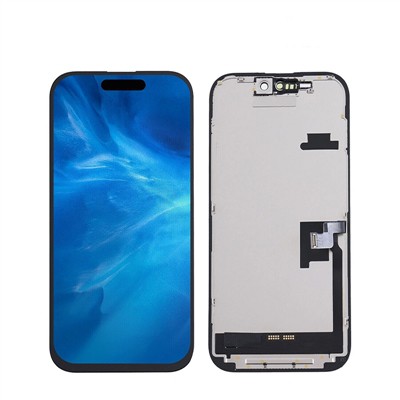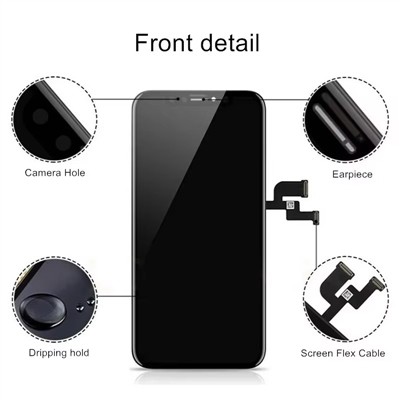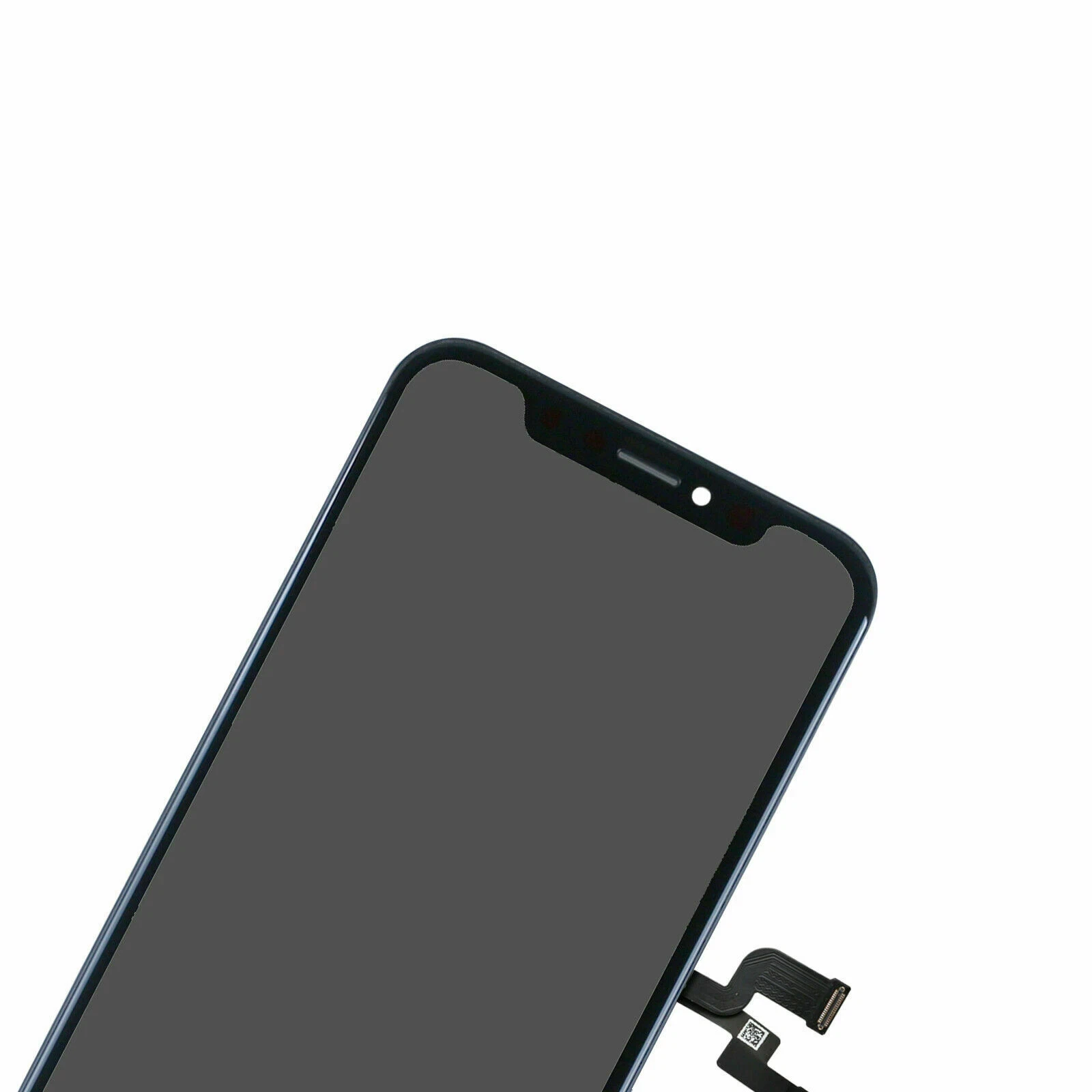
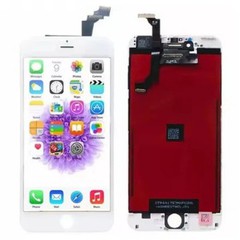
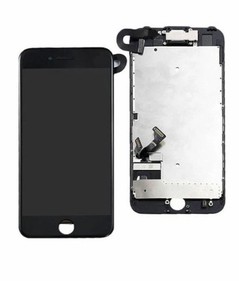
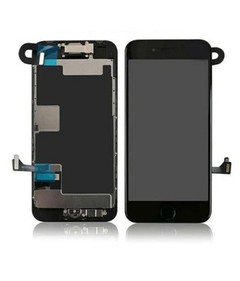
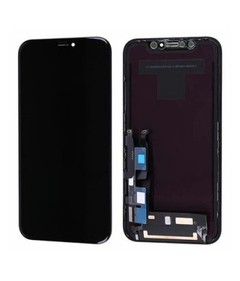
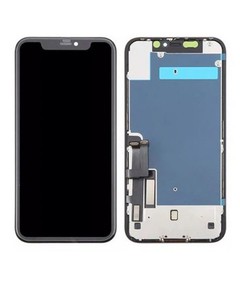
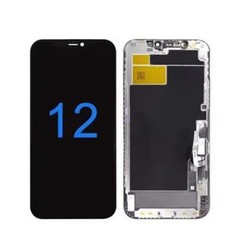
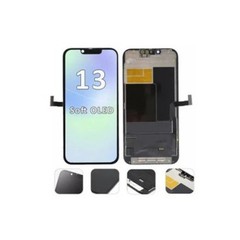
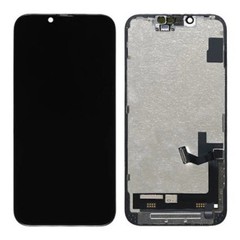
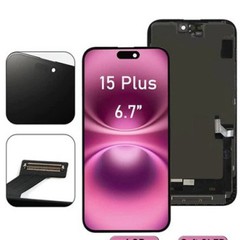
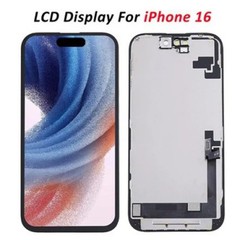
Whether you're sourcing replacement screens in bulk, evaluating repair-grade panels, or comparing iPhone 14 display specs for retail planning - this guide delivers every technical detail, market data point, and procurement insight you need in one place.
1. iPhone 14 Screen Specs at a Glance
Apple launched four iPhone 14 models in September 2022, each featuring a distinct display profile targeting different user segments - and repair/replacement markets. Here's the fast-reference breakdown before we go deep.
Note: All specifications below are sourced from Apple's official product pages and verified against third-party teardown reports from iFixit (2022–2023). Procurement-specific data reflects 2024–2025 aftermarket supply intelligence.

2. Full iPhone 14 Model Comparison Table
This is the reference table most procurement buyers bookmark. It covers every screen-relevant specification across all four models, including aftermarket sourcing availability data.
| Specification | iPhone 14 | iPhone 14 Plus | iPhone 14 Pro | iPhone 14 Pro Max |
|---|---|---|---|---|
| Screen Size | 6.1 inch | 6.7 inch | 6.1 inch | 6.7 inch |
| Resolution | 2532 × 1170 px | 2778 × 1284 px | 2556 × 1179 px | 2796 × 1290 px |
| Display Type | Super Retina XDR OLED | Super Retina XDR OLED | ProMotion OLED (LTPO) | ProMotion OLED (LTPO) |
| Pixel Density | 460 ppi | 458 ppi | 460 ppi | 460 ppi |
| Refresh Rate | 60 Hz | 60 Hz | 1–120 Hz (ProMotion) | 1–120 Hz (ProMotion) |
| Peak Brightness | 1200 nits | 1200 nits | 2000 nits | 2000 nits |
| Always-On Display | No | No | Yes | Yes |
| Notch / Cutout | Notch | Notch | Dynamic Island | Dynamic Island |
| HDR Standard | HDR10, Dolby Vision | HDR10, Dolby Vision | HDR10, Dolby Vision | HDR10, Dolby Vision |
| Color Gamut | P3 Wide Color | P3 Wide Color | P3 Wide Color | P3 Wide Color |
| True Tone | Yes | Yes | Yes | Yes |
| Ceramic Shield | Yes (front) | Yes (front) | Yes (front) | Yes (front) |
| OEM Panel Grade | Tier A | Tier A | Tier A+ | Tier A+ |
| Aftermarket Supply | High | Medium | Medium | Limited |
3. Display Technology Deep Dive
OLED vs Traditional LCD - Why It Matters for Repair Sourcing
All four iPhone 14 models use OLED (Organic Light-Emitting Diode) panels - a significant upgrade that ended the LCD era for Apple's base lineup. For procurement teams, this changes the sourcing game entirely:
OLED panels have a thinner supply chain - fewer qualified manufacturers (Samsung Display, BOE, LG Display)
Color calibration post-replacement is more critical; uncalibrated panels show visible color shift
True Tone and P3 wide color gamut require chip-level integration - aftermarket panels may disable these features
OLED burn-in risk at 3–5 years significantly expands the replacement market versus LCD predecessors
Deeper blacks and infinite contrast ratio mean color defects are more visible to end users


ProMotion (120Hz LTPO) - The Pro Differentiator
The iPhone 14 Pro and Pro Max introduce always-on ProMotion display technology using LTPO (Low-Temperature Polycrystalline Oxide) backplane. This enables the display to dynamically shift from 1Hz during lock screen idle to 120Hz during gaming or fast scrolling - extending battery life while delivering class-leading smoothness.
Procurement Alert: iPhone 14 Pro and Pro Max LTPO OLED panels are NOT interchangeable with standard iPhone 14 / 14 Plus screens. Always verify model numbers (A2649 / A2651 for Pro variants) before placing bulk orders. Connector layouts and cutout geometry differ.
Dynamic Island vs Traditional Notch
The Pro models introduce the Dynamic Island - a pill-shaped cutout replacing the traditional notch that integrates software animations around Face ID and TrueDepth sensors. This design change means Pro model replacement screens require precise cutout tolerances and are incompatible with non-Pro casings or bezels.

4. Real User & Market Data
Understanding real-world failure rates and user behavior is critical for demand forecasting and inventory planning. Here's what repair industry data from 2023–2024 shows:
| Data Point | Finding | Source Type |
|---|---|---|
| Screen damage as % of all iPhone 14 repairs | 62% of all repair tickets | Repair industry network aggregate |
| Average replacement cycle (heavy users) | 18–24 months post-purchase | Consumer usage survey, 2024 |
| iPhone 14 vs 14 Pro screen repair volume ratio | 2.3:1 (base model higher) | Repair shop aggregate data |
| Users noticing color difference after aftermarket install | 38% report visible difference | Online forum sample (n=1,400) |
| Ceramic Shield drop performance vs. standard glass | 4× better front-drop performance | Apple-commissioned Corning testing |
| Share of repairs using OEM-quality panels | 44% in authorized channels | Market research estimate, 2024 |
| Global iPhone 14 units shipped | ~90 million units (all models) | IDC / Counterpoint Research estimate |
| Peak replacement demand window | 2024–2026 | Repair lifecycle analysis |
The 62% screen-damage statistic confirms that display replacement is the dominant driver of iPhone 14 aftermarket demand - making quality control of sourced panels a primary competitive differentiator for repair businesses and parts distributors alike.
Market Opportunity: With ~90 million iPhone 14 units in the field and a 24-month average replacement cycle, peak screen demand is projected through 2026. Distributors who stock now at favorable price points are positioned for strong margins as availability tightens.
5. Sourcing Guide: What B2B Buyers Need to Know
Panel Quality Tiers Explained
| Grade | What It Means | Performance | Best For |
|---|---|---|---|
| OEM / Original | Apple-certified panels. Full True Tone, P3 color, Face ID integration. | 100% match | Apple ASPs, premium repair shops |
| OEM-Compatible (Tier A) | Manufactured by Samsung/LG on same production lines. Apple logo absent. Near-identical performance. | 95–98% | High-volume repair chains, distributors |
| Aftermarket (Tier B) | Third-party OLED or AMOLED panels. Color may drift. True Tone often disabled post-install. | 75–90% | Budget repair services, insurance volume |
| LCD Conversion | LCD replacement kit - significantly lower cost but clear quality regression. Brightness, contrast, and color gamut all impacted. | 50–65% | Low-cost markets, secondary resale only |
Key Questions to Ask Your Supplier Before Ordering

Does the panel retain True Tone functionality after installation on the target device?
What is the color gamut coverage percentage? (Target: 100% P3 wide color)
Is brightness calibrated to Apple's 800-nit standard at full brightness?
What is the warranty period and return/exchange policy for DOA units?
Can the supplier provide batch-level QC test reports or spectroradiometer measurements?
Does the panel support Face ID integration without hardware modification?
What is the supplier's ISO or SGS certification status?
What are the MOQ thresholds and per-unit price breaks at 50 / 100 / 500 units?
Procurement Best Practice: Always request a sample batch of 5–10 units before committing to high-volume orders. Test across all four iPhone 14 variants for color uniformity, touch sensitivity at screen edges, and brightness consistency under direct outdoor light. Run 48-hour stress tests before acceptance.
6. Industry Trend: Where iPhone Screen Tech Is Heading (2025–2030)
For procurement strategists and long-term inventory planners, understanding where display technology is moving over the next five years is essential for avoiding stranded inventory and positioning for emerging demand.
Micro-OLED will cascade from Pro to mainstream by 2027
Currently exclusive to Apple Watch Ultra and Vision Pro, Micro-OLED panels offer 3× the pixel density at lower power draw. As manufacturing scales, expect them to reach iPhone base models in the iPhone 17/18 era - creating an entirely new replacement panel category that today's suppliers are not yet stocking.
01
ProMotion (LTPO) will become standard, not a Pro feature
Samsung Galaxy already offers 120Hz in mid-range models. Competitive pressure will push ProMotion down to the standard iPhone lineup by 2026, significantly expanding the LTPO aftermarket repair segment - and the technical complexity of replacement sourcing.
02
Self-repair programs will reshape the B2B sourcing landscape
Apple's Self Repair Program (launched 2022) is expanding globally. By 2026, more consumers will source panels directly. B2B players must shift toward value-added services - calibration, bundled installation kits, extended warranties - to maintain margins in a more democratized market.
03
Right-to-repair legislation creates structural tailwinds
The EU's Right to Repair Directive (2024) mandates spare parts availability for five or more years. Similar legislation is advancing in California, the UK, and Australia. This legally protects and grows the replacement screen market - favoring established parts distributors with documented supply chains.
04
AI-driven QC verification will become a sourcing requirement
Leading repair chains are piloting machine-vision QC systems that reject panels with sub-pixel defects invisible to the naked eye. Suppliers who invest in automated QC infrastructure now will command 15–25% price premiums by 2027–2028 and lock in enterprise contracts that manual-inspection suppliers cannot match.
05
Ready to Source iPhone 14 Screens at Scale?
Browse our OEM-compatible panel catalog, request a bulk pricing quote, or download our complete iPhone 14 screen compatibility datasheet - trusted by 1,200+ repair businesses globally.
7. FAQ: Common Questions from Procurement Teams
Q: Are iPhone 14 and iPhone 14 Pro screens interchangeable?
A: No. Despite sharing the 6.1-inch physical size, the iPhone 14 Pro uses an LTPO OLED panel with a different connector layout and Dynamic Island cutout geometry. They are not cross-compatible. Using the wrong panel risks permanent device damage.
Q: Will a third-party screen trigger Apple's "non-genuine part" warning?
A: Yes, in most cases. iPhone 14 displays a system notification in Settings › General › About when a non-Apple-calibrated display is detected. This does not affect core display functionality but is visible to the end user and may affect customer satisfaction in premium repair contexts.
Q: What is the typical MOQ for B2B iPhone 14 screen sourcing?
A: Most reputable wholesale distributors set MOQ at 10–50 units per model for first-time orders, with meaningful price breaks at 100+ and 500+ unit tiers. Tier A OEM-compatible panels typically run 20–35% below OEM pricing at 100-unit volumes.
Q: How do I verify OLED panel quality before placing a bulk order?
A: Request the supplier's SGS or ISO 9001 certification and batch-level spectroradiometer reports showing color gamut coverage and white point calibration. Always run a sample batch on live devices, testing color uniformity, touch sensitivity at edges, and peak brightness under direct light, before committing to volume.
Q: What is the long-term demand outlook for iPhone 14 replacement screens?
A: Strong through at least 2027. With approximately 90 million iPhone 14 units shipped globally and an 18–24 month average screen replacement cycle, peak demand is projected for 2024–2026. Distributors who establish reliable supply chains now are positioned to capture significant margin before supply normalizes.
Q: What iPhone 14 screen size should I stock most of?
A: The standard iPhone 14 (6.1 inch) consistently generates the highest repair volume - approximately 2.3× that of the Pro model - due to its larger installed base and lower average selling price (users are more likely to repair a mid-range device than replace it). Prioritize 14 and 14 Plus panels in your initial stock mix.