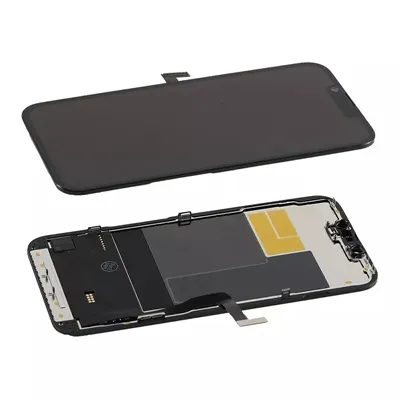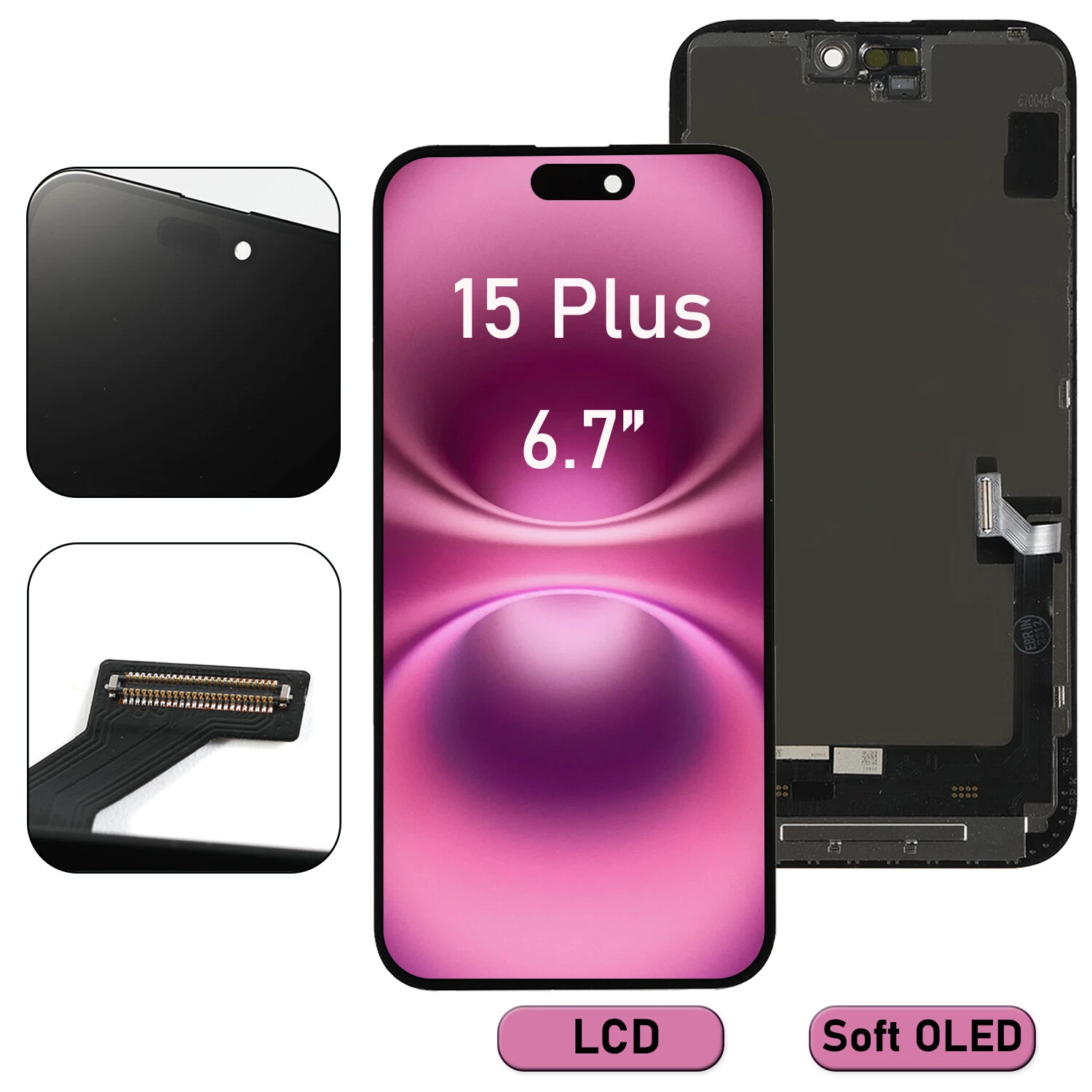
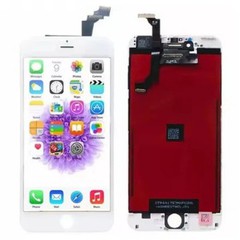
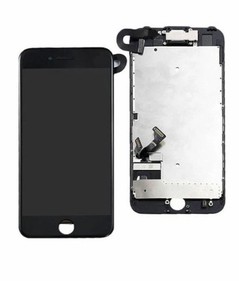
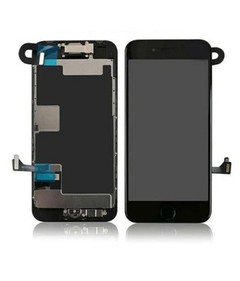
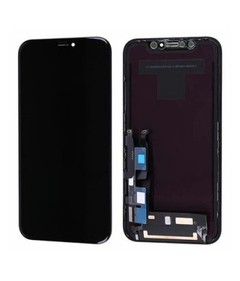
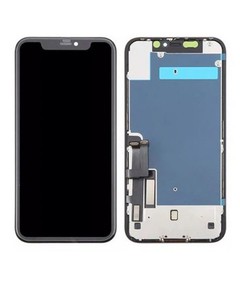
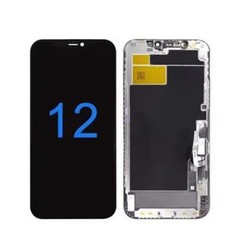
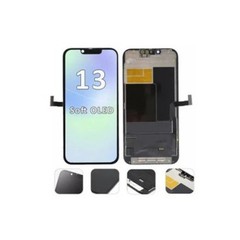
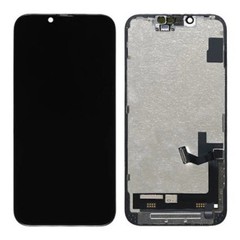
The first wholesale order from a China factory is the one that makes most buyers nervous - and for good reason.
You're wiring money to a company you've never met, in a country you may never have visited, for product you haven't physically inspected, on terms you're not entirely sure you understand. If something goes wrong, what happens? If the screens arrive damaged, who's responsible? If the quality isn't what was promised, what are your options?
These are the questions that land in our inbox every week from repair shop owners, distributors, and resellers preparing to place their first direct-factory wholesale order. We've been doing this for over ten years. We've onboarded hundreds of first-time buyers across the UK, US, Germany, Australia, UAE, and beyond. And we've watched many of those buyers make the same preventable mistakes in their first order - mistakes that cost them money, time, or both.
This guide is the briefing we give every new client before they place order one. By the time you finish reading it, you'll understand exactly how MOQ works and how to negotiate it, which payment method protects you and which one doesn't, how to choose between air freight and express courier, what customs duties will actually cost you in your market, and what the order process looks like from first email to screens on your bench.
Let's start at the beginning.
Part 1: Understanding MOQ - What It Is, Why It Exists, and How to Work With It?
MOQ stands for Minimum Order Quantity. It's the minimum number of units a factory will accept per order, per model.
The reason MOQ exists is straightforward: every production run involves setup costs - pulling the production line, setting calibration parameters, pulling QC staff for inspection. For a factory running at scale, a 10-unit order costs almost as much to process as a 200-unit order but generates a fraction of the revenue. MOQ is how factories protect themselves from losing money on small orders.
For standard aftermarket phone parts, factory MOQs typically run 50–500 units depending on the product and supplier. Some suppliers will accept orders as low as 50 pieces, but this depends heavily on the nature of the product and the relationship between buyer and factory. phone-lcd-parts
At our factory, here's how MOQ works for iPhone LCD screens:
Standard MOQ by model tier:
- iPhone 6 through iPhone 11 series (LCD): 50 units per model
- iPhone 12 through iPhone 14 series (OLED): 30 units per model
- iPhone 15 and 16 series (current generation): 20 units per model
- Sample orders (testing before commitment): 5–10 units per model at slightly higher per-unit price
The most common first-time buyer mistake on MOQ:
ordering one model in one grade to hit the minimum, when what the market actually needs is a mix. A repair shop in Manchester doesn't need 50 iPhone 14 Soft OLED screens in the same shipment - it needs 20 units of iPhone 14, 15 units of iPhone 13, and 15 units of iPhone 12. We accommodate mixed-model orders routinely. MOQ applies per model, not per shipment total. Ask about this before assuming you need to concentrate your order.
How to negotiate MOQ as a first-time buyer:
If the MOQ feels too high for your current volume, there are two legitimate approaches. First, ask about a sample order - 5 to 10 units at a slightly higher per-unit cost to test quality before committing. Any serious factory will accommodate this; it's a standard part of the new-client process. Second, ask whether MOQ can be reduced for an initial order if you commit to a follow-on order within 30–60 days. Factories have discretion on this for buyers who demonstrate genuine wholesale intent. What doesn't work is asking for MOQ reduction without offering anything in return - that conversation ends quickly.
Trading companies often advertise much lower MOQs - sometimes as low as 10 or 50 units - because they aggregate demand across multiple buyers. The price reflects this, typically running 10–25% above factory-direct pricing. For a first order where you're uncertain about volume, a trading company might seem convenient. The trade-off is a meaningful cost premium that compounds as you scale. Most buyers who start with trading companies move to factory-direct within 6–12 months as their volume grows.

Part 2: Payment Methods - What's Safe, What's Standard, and What to Avoid
Payment is where first-time international buyers are most exposed, and where the wrong decision can be genuinely costly. Here's the honest breakdown of every payment method commonly used in China factory sourcing.
T/T Bank Transfer (Telegraphic Transfer) - Industry Standard
T/T is the payment method that accounts for the majority of B2B transactions between Chinese factories and international wholesale buyers. Once trust is established, it's fast, has no platform fees eating into your margin, and scales to any order size.
The standard structure for a new buyer relationship is:
- 30% deposit to confirm the order and initiate production
- 70% balance paid after pre-shipment photos/inspection, before goods leave the factory
This structure is reasonable and protects both parties. You're not paying everything upfront into the unknown, and the factory has a deposit covering their materials cost before they build your order. As the relationship develops and trust accumulates, terms often shift to 30/70, then to net-30 on invoice for established accounts.
What to verify before wiring:
Confirm the bank account details match the company name you've been corresponding with. Request an official invoice with company name, address, and bank details on letterhead. One of the most common international wire fraud patterns involves intercepting legitimate supplier communications and substituting fraudulent bank details - always verify account details directly via a separate communication channel (phone call, not just email) before sending any significant amount.
PayPal - Good for Samples, Impractical for Volume
PayPal offers buyer protection and is genuinely useful for sample orders under $500. The limitation is cost: PayPal charges 3–4.4% on international commercial transactions, plus unfavorable exchange rates. On a $5,000 order, that's $150–$220 in fees that come straight off your margin.
Most factories also pass PayPal fees back to the buyer, so the effective premium can reach 5–6%. For occasional small orders, this is manageable. As a long-term payment channel for regular wholesale volumes, it's expensive.
Alibaba Trade Assurance - The Safest Option for New Buyer Relationships
Trade Assurance (Alibaba) is considered the safest payment method for first-time China factory orders. It holds payment in escrow until you confirm receipt and quality, provides dispute resolution, and gives buyers a window to raise claims - typically 30–90 days from purchase.
If you're sourcing through Alibaba and dealing with a factory you've never worked with before, Trade Assurance is the right choice for your first one or two orders, even if it comes with slightly higher transaction costs. The protection mechanism is real and Alibaba does resolve legitimate disputes in buyers' favor when documentation supports the claim.
The limitation: not all factories operate on Alibaba. Many established manufacturers work direct - email, WhatsApp, WeChat - without a platform intermediary. Once you've verified a direct factory through sample orders and have a track record, direct T/T becomes both safer and cheaper.
Western Union / MoneyGram / Crypto - Avoid
Any factory that insists on Western Union, MoneyGram, or cryptocurrency as the primary payment channel for a wholesale order is a factory to walk away from. These payment methods have no recourse mechanism. If goods don't arrive or don't match what was ordered, your money is gone. There is no dispute resolution. Legitimate factories at commercial scale don't require these payment channels.
Part 3: Shipping - Air Freight vs. Express Courier, Costs, and Transit Times
Shipping from Shenzhen to your market is the variable most first-time buyers underestimate. Let's make it concrete.
The Two Main Options for iPhone Screen Wholesale
Express courier (DHL / FedEx / UPS) is the right choice for orders under approximately 50kg. It's fast, fully trackable, door-to-door, and includes customs clearance documentation handled by the courier. Transit times:
- Shenzhen to UK: 3–5 business days
- Shenzhen to USA: 4–6 business days
- Shenzhen to Germany/Netherlands: 3–5 business days
- Shenzhen to Australia: 5–7 business days
- Shenzhen to UAE/Saudi Arabia: 4–6 business days
Cost for a 50-unit iPhone screen order (approximately 8–12kg packed): typically $55–$110 depending on destination and service level. DHL Express tends to be the most reliable for customs clearance in European markets.
Average delivery time from Shenzhen via DHL is 4.7 days; express courier services can achieve 3.9 days to most major markets. iPhone LCD
Air freight (via freight forwarder) makes sense for orders over 50–100kg, where the per-kilogram cost of express courier becomes expensive. Air freight runs through a freight forwarder (a logistics company that consolidates cargo) and adds 1–3 days to the timeline versus express courier, but the cost per kilogram drops significantly on larger volumes. For a 200-unit order (approximately 30–40kg packed), air freight via a forwarder often saves $80–$180 versus DHL Express.
Sea freight is only relevant for very large orders - essentially full container or LCL (Less than Container Load) shipments. At iPhone screen volumes, you'd need to be moving thousands of units to make sea freight worthwhile. For most wholesale buyers at the entry-to-mid scale, express courier or air freight covers the whole range.
Understanding Shipping Terms: FOB vs. EXW vs. DDP
This is the terminology that confuses most first-time international buyers, so let's be direct about what each means in practice.
EXW (Ex Works):
The factory's obligation ends when they hand goods to you at their door. You arrange all freight, export documentation, and customs clearance. This is the lowest-priced shipping term but places all logistics burden on the buyer. Not recommended for first-time importers.
FOB Shenzhen (Free On Board):
The factory handles inland transport to the port and export clearance. Your responsibility starts when goods are on board the vessel or aircraft. This is the most common term for B2B wholesale transactions and strikes the right balance - factory handles the China-side logistics, you handle the import side. Most of our orders ship FOB.
DDP (Delivered Duty Paid):
DDP means the seller handles everything - export, freight, import duties, and delivery to your door - with no surprise charges on arrival. It's the cleanest option for buyers who want simplicity, though it typically carries a slight price premium. We offer DDP shipping to certain markets for established accounts. For first-time buyers who don't yet have a customs broker or import process set up, DDP eliminates most of the operational complexity.
Use FOB Shenzhen rather than EXW to shift responsibility for inland transport costs to the supplier. This protects you against unexpected China-side logistics charges and makes cost comparison between suppliers cleaner.
Part 4: Customs Duties and Import Tax - What You'll Actually Pay by Market
This is the question every first-time buyer asks after getting a quote, and the answer varies significantly by destination. Here's the current reality as of May 2026.
United States
The US customs landscape changed significantly in August 2025. From 29th August 2025, the US de minimis exemption for low-value shipments was eliminated. All shipments, regardless of value, must now clear US customs and pay relevant duties. Previously, shipments valued under $800 were exempt from duties and complex customs entry forms.
For iPhone replacement screens imported into the US, the applicable HTS code falls under electronic components. Current duty rates on phone parts from China reflect the ongoing US-China tariff environment - buyers should budget for duty in the range of 7.5–25% depending on the specific classification applied. We strongly recommend US buyers consult a licensed customs broker for current rates before placing their first order. The broker fee ($75–$150 for a standard commercial entry) is worth every dollar for the clarity it provides.
Practical tip for US buyers:
Request that your factory provides a commercial invoice with accurate product descriptions and HS codes. Misclassification on the customs entry is a common source of delays and unexpected fees.
United Kingdom
Post-Brexit, all commercial imports from China into the UK are subject to UK customs duties and VAT. For phone replacement parts, the standard import VAT rate is 20%, applied to the customs value (cost of goods + insurance + freight). Import duty on electronic components typically runs 0–3.7% depending on classification.
Most express courier shipments into the UK are handled by the carrier's customs brokerage at delivery, with duty and VAT charged to the recipient. For regular wholesale importers, setting up a duty deferment account with HMRC allows you to pay monthly rather than per shipment - worth doing once your import frequency justifies it.
European Union (Germany, Netherlands, France, etc.)
EU imports from China are subject to EU customs duties plus the destination country's VAT rate. For phone parts, EU import duty typically runs 0–2% depending on classification. VAT is applied at the local rate (19% in Germany, 21% in Netherlands) on the customs value.
92% of EU shipments over €150 incurred VAT and handling fees averaging €22–€48. If you're an EU-registered VAT business, you reclaim import VAT on your VAT return - it's a cash flow cost at the point of import, not a permanent cost. Register for VAT and an EORI number before your first shipment arrives; you'll need both for customs clearance.
Australia
Australia applies GST (10%) to all imports. Import duty on phone parts is generally 0% under Australia's Free Trade Agreement with China (ChAFTA), making Australia one of the cleaner markets for iPhone parts importing. Your carrier will handle GST collection at clearance, and GST-registered businesses recover it on their next BAS.
UAE / Middle East
The UAE has a 5% VAT on imports plus a standard customs duty of 5% on most electronic components - making it one of the lower total-duty markets for iPhone screen importing. Saudi Arabia runs similar rates. Both markets have efficient port customs processes, and DHL and FedEx handle clearance smoothly for commercial shipments.
Part 5: How to Verify a Supplier Before Sending Any Money?
This deserves its own section because it's where first-time buyers take the most risk.
The phone parts wholesale space has legitimate factories, legitimate trading companies, and operators who are neither. The tells are consistent enough that a systematic check process catches the large majority of problems before they cost you anything.
Step 1: Verify the business registration.
Any legitimate Chinese factory can provide their Business License. This document shows the company's registered name, registration number, legal representative, and registered address. Cross-check the business license on China's National Enterprise Credit Information System - accessible through third-party tools like Qichacha - to verify the company exists as claimed.
Step 2: Request factory photos and a video call.
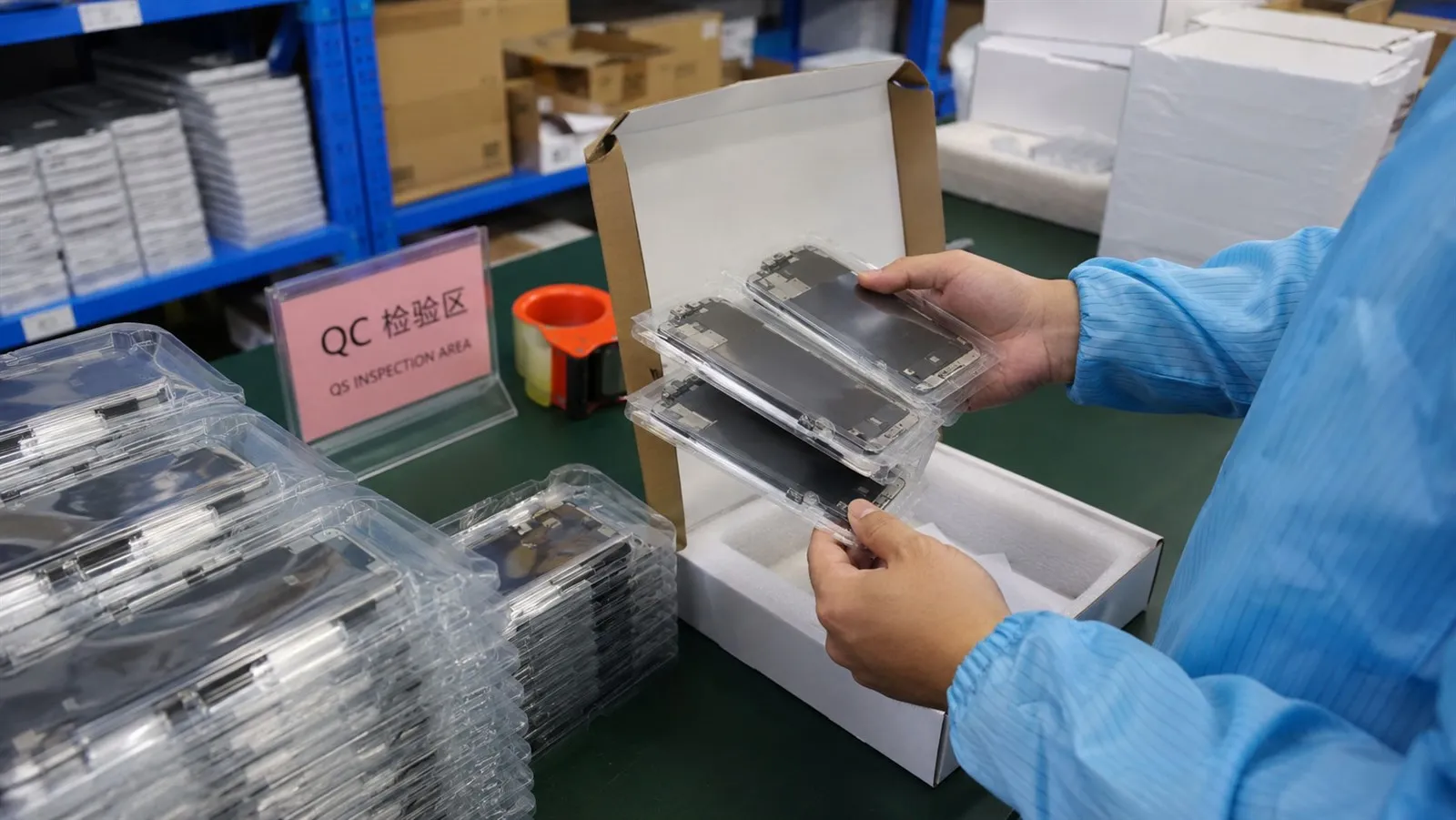
Ask for photos of the production floor, QC area, and packaging line. Then request a 10-minute video call - WhatsApp or WeChat works fine. A real factory can do this without advance preparation. A trading company pretending to be a factory cannot easily produce a live production floor on a video call.
Step 3: Ask for QC documentation, not marketing claims.
Request the factory's defect rate data for the specific models you're ordering. Ask to see their QC process - what's tested, how it's documented, what the pass criteria are. A manufacturer running a genuine QC operation can answer these questions with specifics. Generic responses like "our quality is very good" with no supporting documentation are a warning sign.
Step 4: Start with a paid sample order.
Before placing any volume order, pay for 5–10 sample units. Test them: install them, run them for 2–3 weeks, check color consistency, touch response, backlight uniformity. This is the cheapest quality verification you can do. Before placing a bulk order, sample orders let you inspect build quality, test functionality thoroughly, and verify the supplier's reliability before committing to volume.
Step 5: Check references from existing wholesale clients.
Ask the factory for two or three client references - preferably buyers in your market. A factory with an established wholesale client base will have these without hesitation. Contact those references. Ask about defect rates, shipping reliability, and how problems were handled when they occurred.
Part 6: The Complete First-Order Process - Step by Step
Here's exactly what the process looks like from initial contact to screens arriving at your bench.
Week 1: Initial contact and product selection
Email or WhatsApp the factory with your specific requirements: which iPhone models, which grades (Incell / Soft OLED / Original Refurbished), approximate quantities, and your destination country. A competent sales contact will respond within 24 hours with a quote and lead time. Ask specifically about sample availability and pricing.
Week 1–2: Sample order
Place a paid sample order for 5–10 units across the models you're most interested in. Pay via T/T or PayPal for the sample - the amount is small enough that payment risk is manageable. Use this time to verify the factory's communication quality, shipping speed, and packaging standards, as much as the screens themselves.
Week 2–3: Sample testing
Install the screens. Check color accuracy, touch response, backlight uniformity. Run them for at least a week in real-world conditions. Compare against your current supply or a known reference screen. If something is wrong, document it with photos and video and contact the factory - how they respond to a legitimate sample quality issue tells you more about the relationship than anything else.
Week 3–4: First volume order
Once samples pass, place your first volume order. Confirm the order via a written purchase order or proforma invoice specifying: exact model numbers, grade, quantity, unit price, total value, shipping terms (FOB or DDP), and payment terms (30% deposit, 70% balance before shipment).
Pay the 30% deposit via T/T after verifying bank details independently. The factory begins production or pulls stock from existing inventory.
Week 4–5: Pre-shipment inspection and balance payment
Request pre-shipment photos - screens laid out, packaged, and ready to ship. For orders over $3,000, consider a third-party pre-shipment inspection through SGS or QIMA ($150–$280). One $200 inspection prevents $5,000 in rework costs on a bad batch. Once you're satisfied, pay the 70% balance. The factory ships.
Week 5–6: Goods arrive
Express courier: expect 3–7 business days from ship date depending on destination. Track via the courier's tracking number provided by the factory. On arrival, inspect the shipment against your purchase order before signing delivery acceptance. Document any visible damage to packaging immediately with photos.
Part 7: What to Do When Something Goes Wrong?
No supply chain is perfect. What distinguishes a good factory from a bad one isn't whether problems occur - it's how problems are resolved when they do.
Arrival defects (screens non-functional on delivery):
Document with photos and video showing the defect on each affected unit. Send to the factory within 5 business days of receipt. A factory with a clear warranty policy will replace defective units in the next shipment or credit them against your next invoice. Our standard is replacement of verified arrival defects within 90 days of receipt.
Quality doesn't match samples:
This is the more difficult situation. If your volume order screens are visibly different from the samples you approved - different color temperature, different brightness, different build quality - document the discrepancy side by side. A legitimate factory acknowledges the problem and makes it right. The conversation is easier if you have the original sample for comparison and photos showing the difference clearly.
Shipment delayed:
Express courier delays beyond the quoted window are rare but do happen, usually at busy customs periods (Chinese New Year, Golden Week, Q4 holiday season). Track proactively. If a shipment goes silent in tracking for more than 48 hours, contact the carrier directly with the tracking number - don't wait for the factory to investigate on your behalf.
Key protection mechanisms:
For T/T orders, your primary protection is the relationship itself - documented quality standards in your purchase order, a track record of the factory performing, and the leverage of future business. For Trade Assurance orders, the platform's dispute mechanism is your backstop. Most platforms including Alibaba Trade Assurance have a 30–90 day window for raising disputes - don't wait until tracking is months old before acting if something goes wrong.
Part 8: The True Landed Cost Calculation - Know Your Numbers Before You Order
The price you see on a factory quote is FOB Shenzhen. The price that actually matters for your business decisions is landed cost at your premises. Here's how to calculate it.
Landed cost formula:
Landed cost per unit = (Unit price + Shipping per unit) × (1 + Duty rate) + VAT/GST + Broker fees per unit
Worked example - UK buyer, iPhone 14 Soft OLED, 100 units:
- Unit price (FOB): $34.00
- Shipping (DHL, 100 units ≈ 16kg): ~$95 ÷ 100 = $0.95/unit
- Subtotal FOB+Shipping: $34.95
- UK import duty (approximately 2%): $0.70
- Customs value: $35.65
- UK VAT (20%): $7.13 (reclaimed on VAT return if VAT-registered)
- Total landed cost pre-VAT recovery: $42.78/unit (~£33.70)
- After VAT recovery (VAT-registered business): $35.65/unit (~£28.10)
Against a retail repair charge of £135–£155, that's a parts cost of approximately 18–21% of revenue - leaving room for labor ($35), overhead allocation, and healthy gross margin.
Run this calculation for your specific market and model mix before placing your first order. It takes 15 minutes and removes all the uncertainty from the margin conversation.
Common Questions We Get from First-Time Wholesale Buyers
Can I mix models in one order?
Yes. Mixed-model shipments are standard. MOQ applies per model, not per shipment. You can combine 30 units of iPhone 14, 20 units of iPhone 13, and 20 units of iPhone 15 in a single shipment.
What's the lead time from order to shipment?
For stock items (most current-generation models), lead time from confirmed order to shipment is 2–4 business days. For less common models or large custom orders, allow 5–7 days.
Do you provide a commercial invoice for customs?
Yes - a commercial invoice, packing list, and any required certificates (CE, RoHS) are provided with every shipment. If your customs broker needs specific documentation formats, notify us before shipment.
What if I need to return defective screens?
Our warranty process covers arrival defects reported within 90 days. Defective units are replaced in your next order or credited against invoice. We don't require defective units to be returned for credits under a certain threshold - the return shipping cost often exceeds the unit value on older models.
Is there a discount for larger orders?
Yes. Volume pricing tiers apply at 50, 200, and 500+ units per model. Clients with committed monthly volumes receive dedicated pricing. Ask about annual volume agreements if your monthly order is consistent.
Getting Started: What to Include in Your First Inquiry
- When you contact us - or any factory - for the first time, the inquiry that gets a fast, detailed response includes:
- Which iPhone models you need and approximate quantities
- Which grade (Incell / Hard OLED / Soft OLED / Original Refurbished)
- Your destination country (for shipping cost and documentation)
- Whether you want to start with samples or go direct to a volume order
- Your business type (repair shop / distributor / reseller) and approximate monthly volume
This gives a factory enough context to send you a meaningful quote rather than a generic price list that doesn't account for your specific situation.
The first wholesale iPhone LCD screens from China order is the one that sets the template for everything that follows. Get the process right - sample first, verify the supplier, understand your landed cost, use the right payment structure - and the second order is easier than the first, the third easier than the second, and within six months you'll have a supply chain that runs itself.