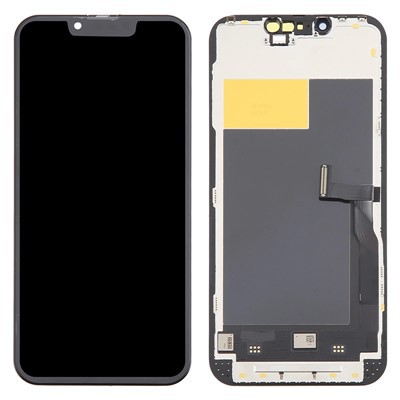
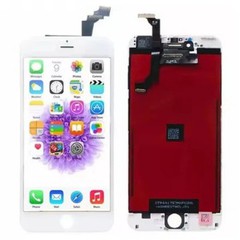
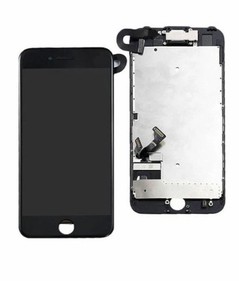
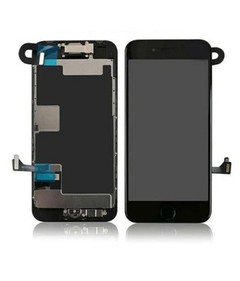
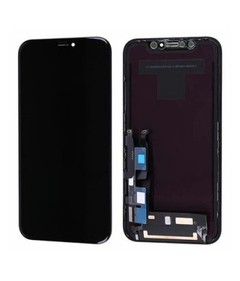
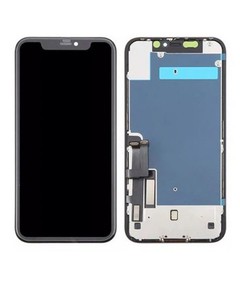
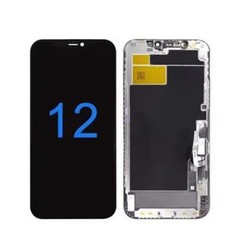
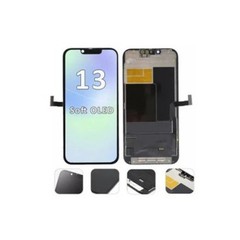
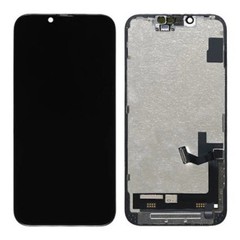
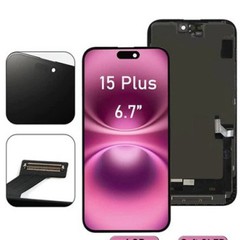
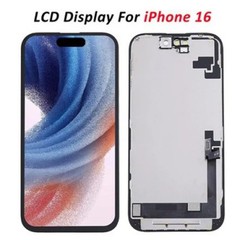


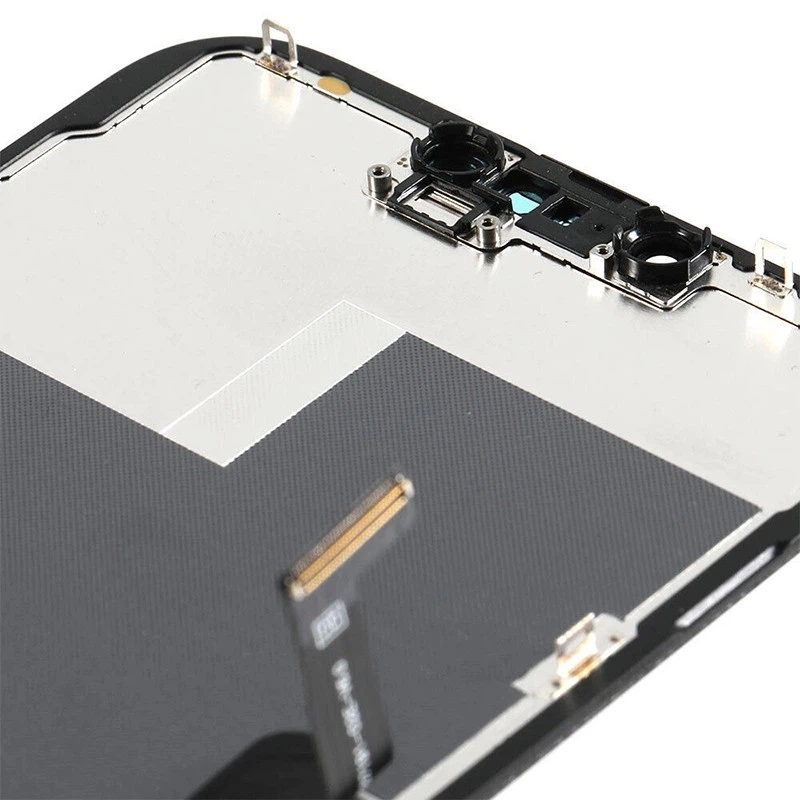


After so many years-more than ten-working inside an iPhone LCD production line every day, I tend to look at screens differently from most people in the repair business. When I evaluate a display, I don't just check brightness or touch response. I think about how a technician feels during installation and how a distributor reacts when a batch doesn't match the previous one. Those practical concerns shaped the iPhone 13 Plus LCD screen for repair business that I build here.
A Display Made for Real Repair Work, Not Just a Catalog
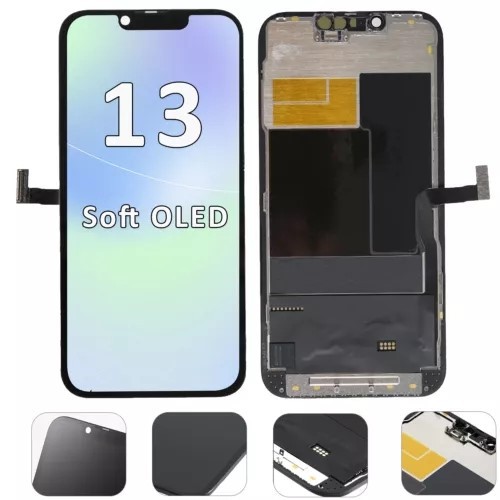
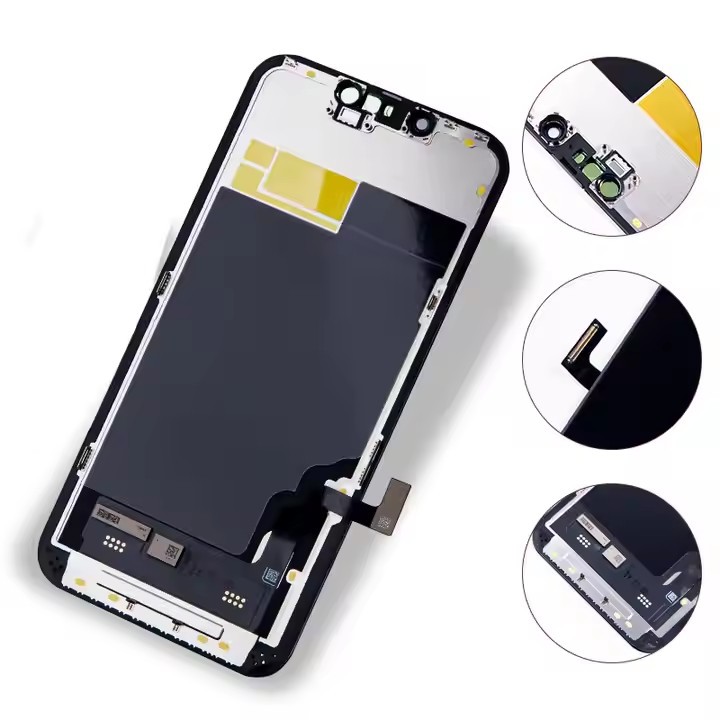
The Factory-Made iPhone 13 Plus LCD Screen Ultra Clear Replacement Display for Technicians didn't come from a marketing meeting. It came from conversations I had with wholesalers and repair shops that grew frustrated with unstable suppliers. Some mentioned color shifts; others struggled with screens that only worked well during the first few minutes of testing. So I adjusted my process piece by piece until the display behaved the way technicians expect: predictable, clean, and responsive.
I calibrate the panel with a method I've refined over the years. I look at the whites under multiple lighting environments, check how the colors react after the backlight warms up, and test the touch IC with long swipes instead of quick taps. A screen tells the truth only after it heats slightly, so I trust my longer test routine more than any quick on/off check.
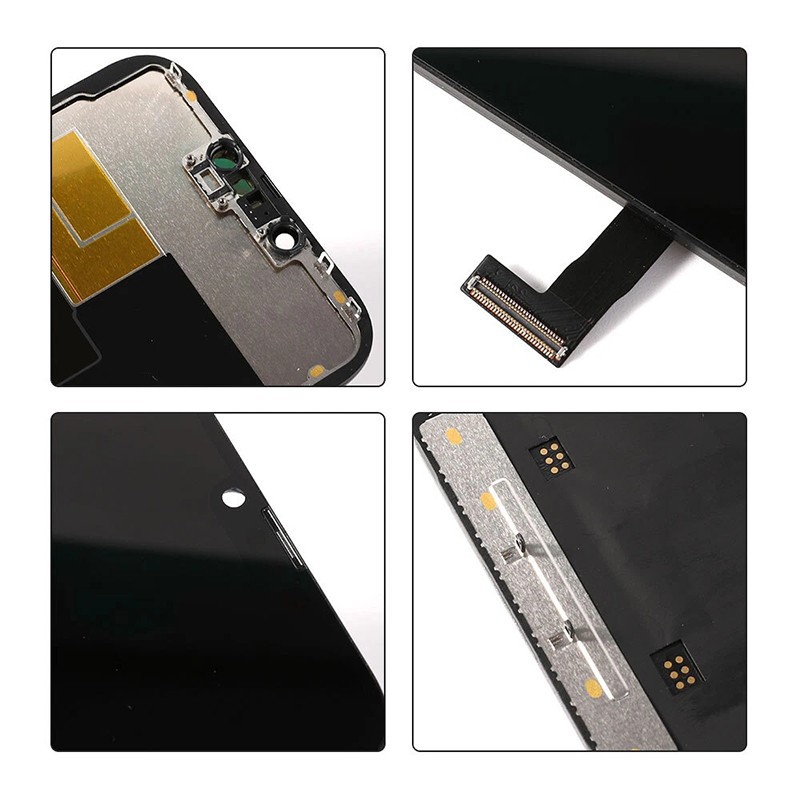
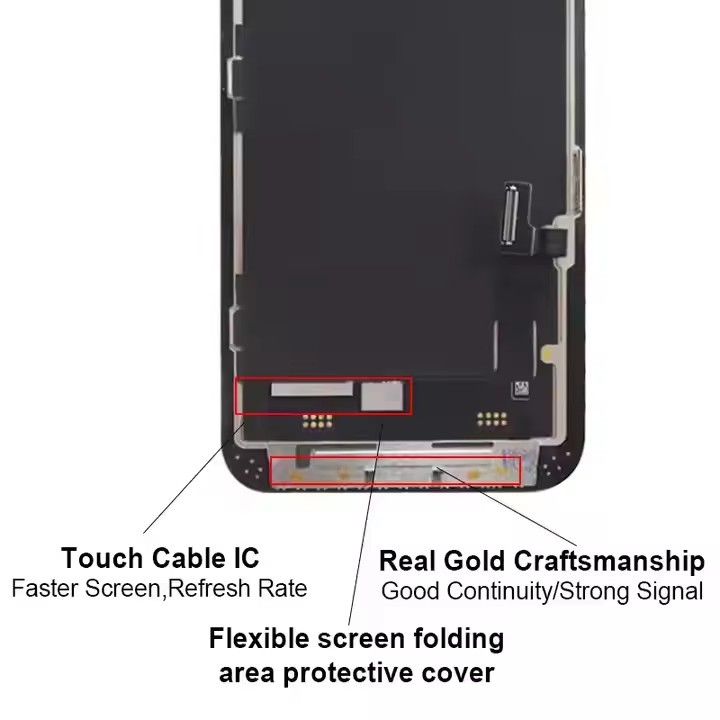
And the flex cable-many people overlook this part. I reinforce it because I see how often repair techs bend it while aligning the display. A weak cable turns a simple job into a tedious one. I don't want any technician dealing with that.
Burn-In Tests That Actually Work in Real Life
I created my own set of iPhone LCD display burn-in inspection tips because I kept finding issues that didn't show up during simple tests. A screen can look perfect for ten seconds yet still develop faint marks after a few minutes.
Here are the steps I rely on every day:
Hold a pure white image for several minutes.
If corners shift toward yellow or gray, I mark the panel as unstable.
Switch rapidly between light and dark screens.
This exposes ghost images that hide during slow testing.
Tilt the display slightly.
Uneven brightness becomes easier to spot from an angle.
Swipe around while the display warms up.
Touch problems often appear only after heat builds.
This routine sounds simple, but it saves a lot of trouble for B2B buyers. Many wholesalers adopt it because it keeps returns low and feedback clean.
Built With Long-Term Buyers in Mind
B2B clients look for consistency above everything else. Price matters, but unpredictable batches cost more in the long run. So I keep my production line steady, even if that means rejecting materials that don't meet the standard I set. If a supplier changes a component's structure, I test it myself before allowing it in.
Some distributors ask for private labels, barcodes, or special packaging. I support those requests, but I never recommend cosmetic changes that slow down lead times. Function, predictability, and steady supply matter far more in this business.
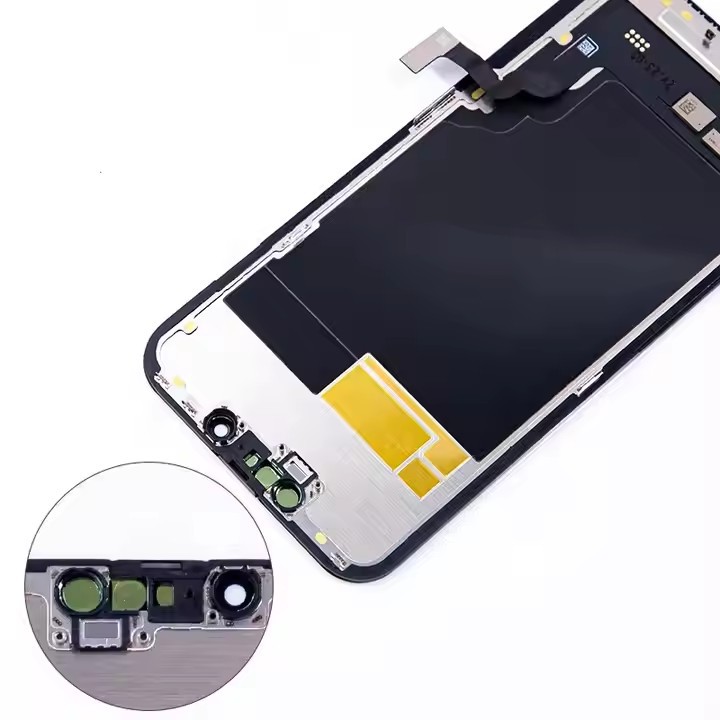
Packaging That Survives Real Shipping Conditions
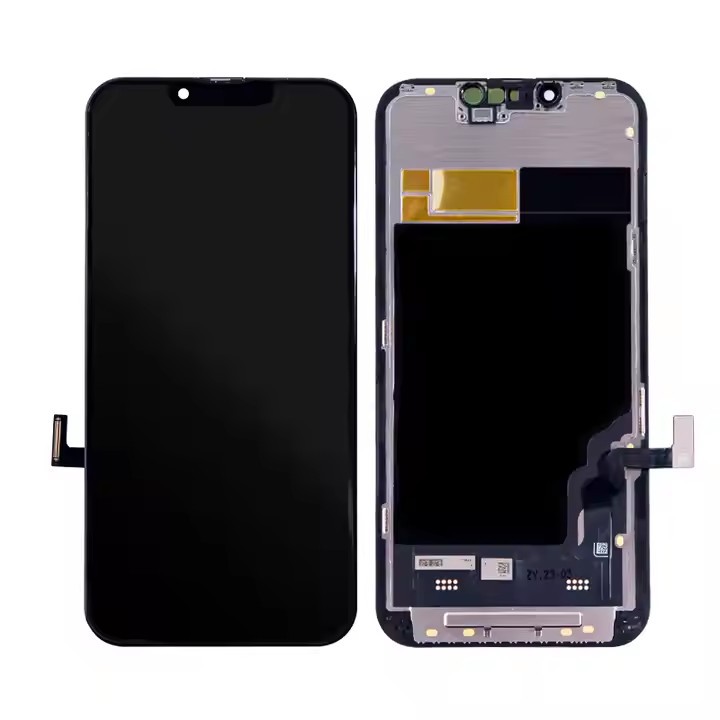
A well-made screen can still arrive broken if the packing doesn't protect it. Over time I refined my approach to freight-forwarder packaging for large LCD shipments because I saw firsthand how roughly some shipments get handled.
For example, I once opened a returned carton that collapsed on one side because the carrier stacked it under heavier goods. That experience pushed me to redesign my cartons with thicker walls and internal support.
Today my packing includes:
- Anti-static trays that protect flex cables
- Thick foam with tight slots
- Moisture-proof sealed layers
- Reinforced cartons that resist bending
- Balanced internal layout to avoid pressure hotspots
I design all this around one idea: a shipment should survive even when a forwarder takes shortcuts.
How Buyers Can Spot Low-Quality Panels
A lot of new buyers ask how to avoid fake or recycled screens. I've inspected so many units from different suppliers that a few signs stand out quickly:
1. Flex cable printing clarity.
A clean print usually means the screen came from a real production line, not a recycled batch.
2. Brightness retention.
A poor backlight dims noticeably once the display heats up.
3. Frame stiffness.
Soft metal frames deform easily and cause installation issues.
These quick checks help buyers avoid trouble before large orders.
Why Many B2B Clients Prefer a Factory Relationship
- Once a buyer grows beyond small orders, the value of a direct factory becomes clear. A factory tracks the material source, monitors each production run, and explains any technical changes honestly. I treat long-term clients like partners because their success helps the entire supply chain operate smoothly. A good LCD doesn't just fix a phone-it protects the reputation of the technician who installs it and the shop that sells it. I keep that in mind during every production cycle.
Packaging

Factory Display


Hot Tags: iphone 13 plus lcd screen for repair business, China iphone 13 plus lcd screen for repair business manufacturers, suppliers, factory, iPhone 13 Pro Max LCD Screen, lcd for iphone 13 series, iPhone 13 LCD Screen, iPhone 13 Pro LCD Screen, IPhone 13 Mini LCD Screen