

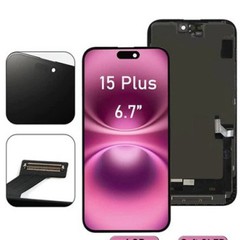
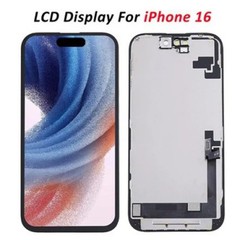


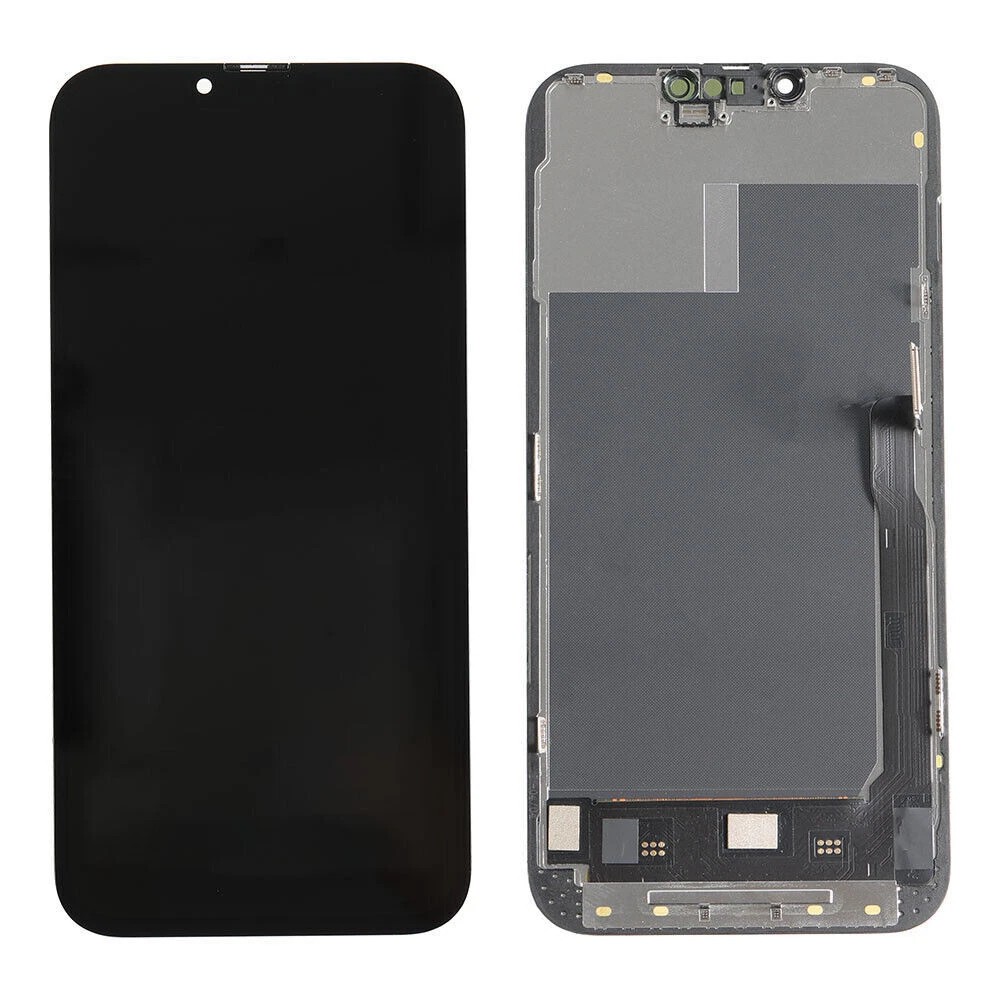
After more than ten years working with iPhone display manufacturing, I've seen the repair market shift many times. Some years, everyone pushes for the lowest price; other years, repair chains demand higher stability because customer expectations keep rising. Through all of this, I've stayed focused on building Affordable iPhone 13 Pro Max LCD screens that actually hold up in daily use-not just in product photos or spec sheets.
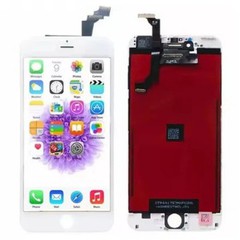
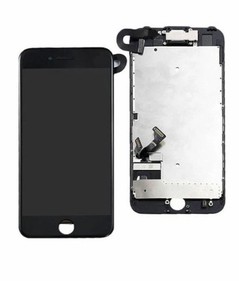
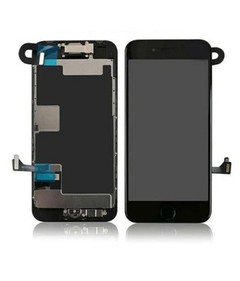
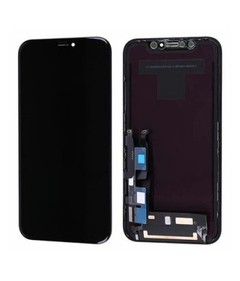
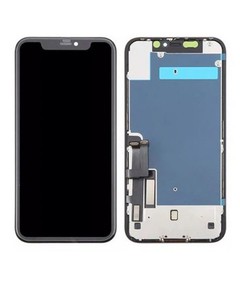
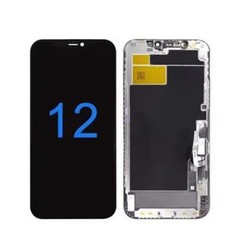
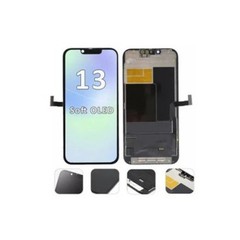
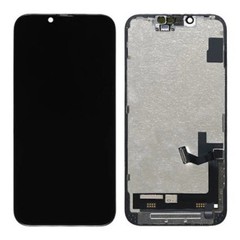
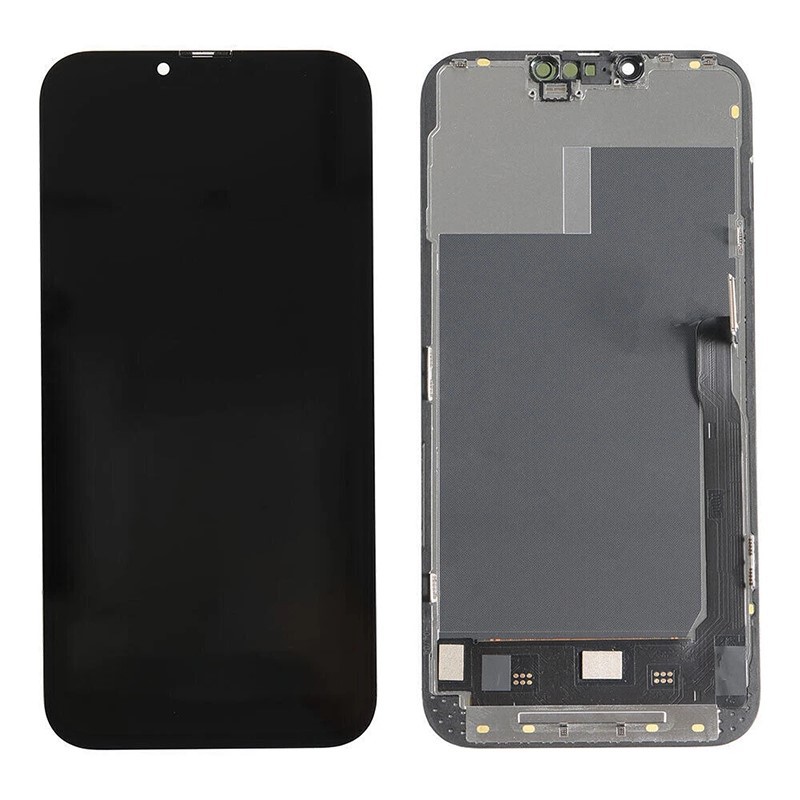
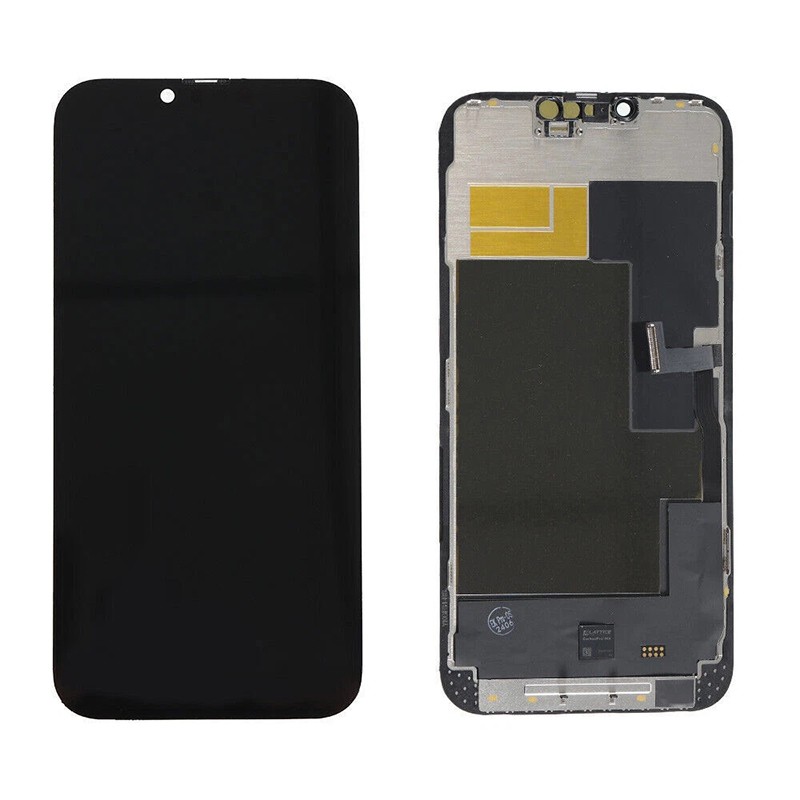
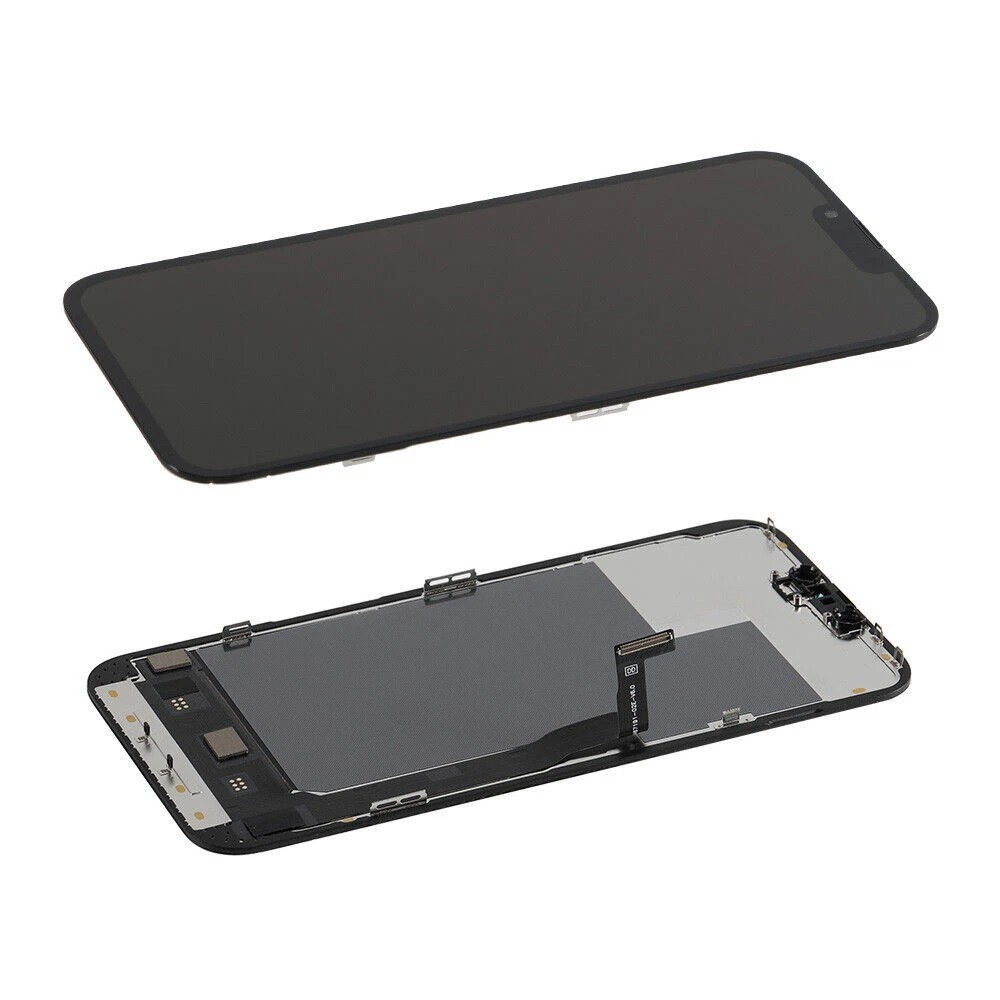
The product I build today is the High Brightness Affordable iPhone 13 Pro Max LCD Screens 6.7 Inch Retina Panel Without Assembly, designed specifically for professional buyers who want predictable quality. I keep the structure unassembled because refurbishers and repair teams prefer flexibility-some like to bond the frame themselves, some use automated machines, and some mix different adhesives depending on volume. This format fits all of them without forcing a single method.
Color Consistency That Customers Notice Immediately
If there is one thing I've learned from years of feedback, it's this: people don't always know how to describe color problems, but they sense them instantly. A screen might test "fine," yet a customer still feels something looks different. That's why I run a thorough iPhone LCD color uniformity test vs original on every production batch.
I compare each batch with an original reference screen. I check the whites, the grays, and the mid-level tones because that's where inconsistencies usually hide. I tilt the display to different angles to see if anything shifts unexpectedly. I also look for the slight tint that often appears around the edges on low-quality panels. These checks take extra time, but skipping them always leads to headaches later-usually for the repair store that gets blamed first.
Proximity Sensor Compatibility That Prevents Call Issues
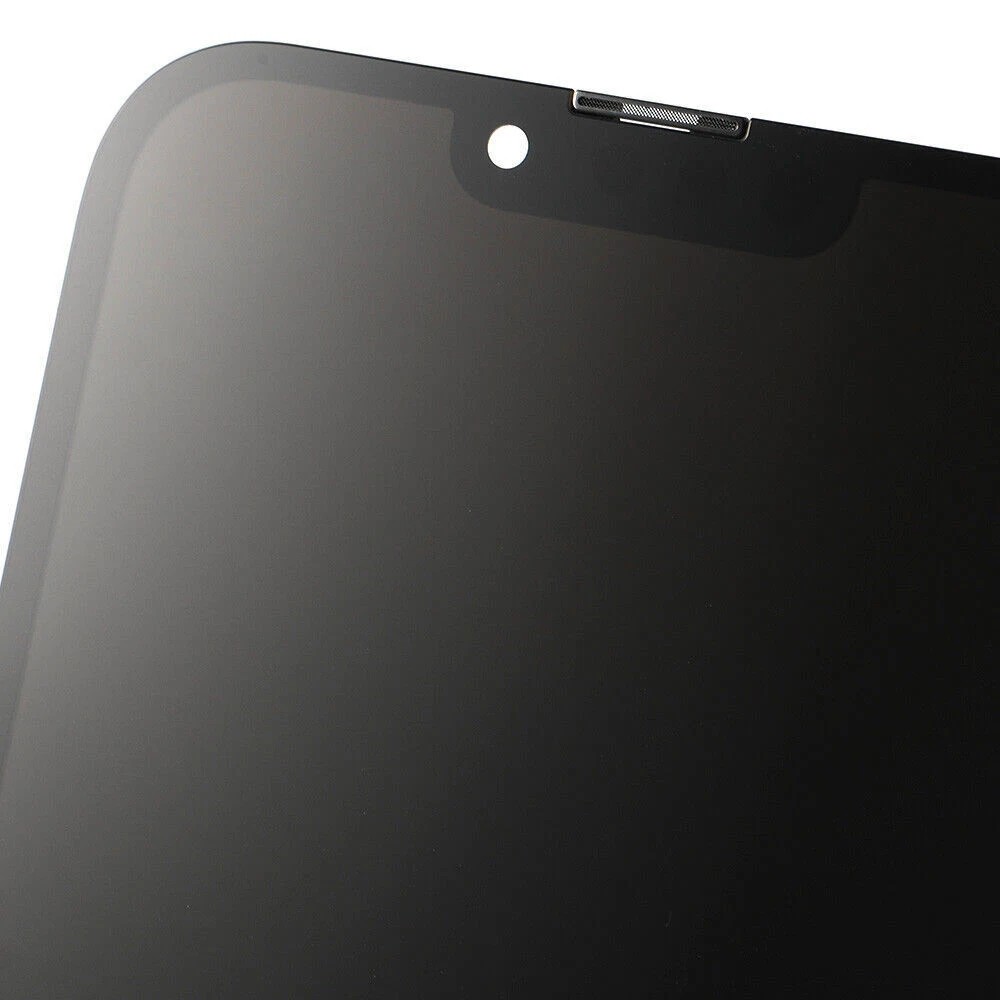
The proximity sensor is one of the easiest components to overlook, yet it causes some of the most common customer complaints. Over the years, I've seen shops replace a screen, test it once, hand the phone back, and then hear the customer complain a week later that the display doesn't shut off properly during calls. To avoid that, I apply a detailed iPhone LCD proximity sensor compatibility testing process.
I make sure the sensor communicates correctly with the system, dims the screen when the phone is near the ear, and wakes without any hesitation. I also test the sensor area under different lighting conditions because bright indoor lights can affect the detection if the panel materials don't match well. I've fine-tuned this part several times based on real-world issues reported by repair networks.
Performance Built Around How Technicians Actually Work
I learned early on that a screen can look great on the table but behave differently once installed in a customer's phone. So I focus on performance details that show up after repeated use rather than just initial inspection.
- Brightness stability: I reinforce the backlight so it doesn't dim after a few weeks.
- Touch feel: I test scrolling and fast tapping because customers notice delay more than anything else.
- Panel thickness: A slight variation can cause pressure marks once the frame is pressed down, so I stay consistent with my measurements.
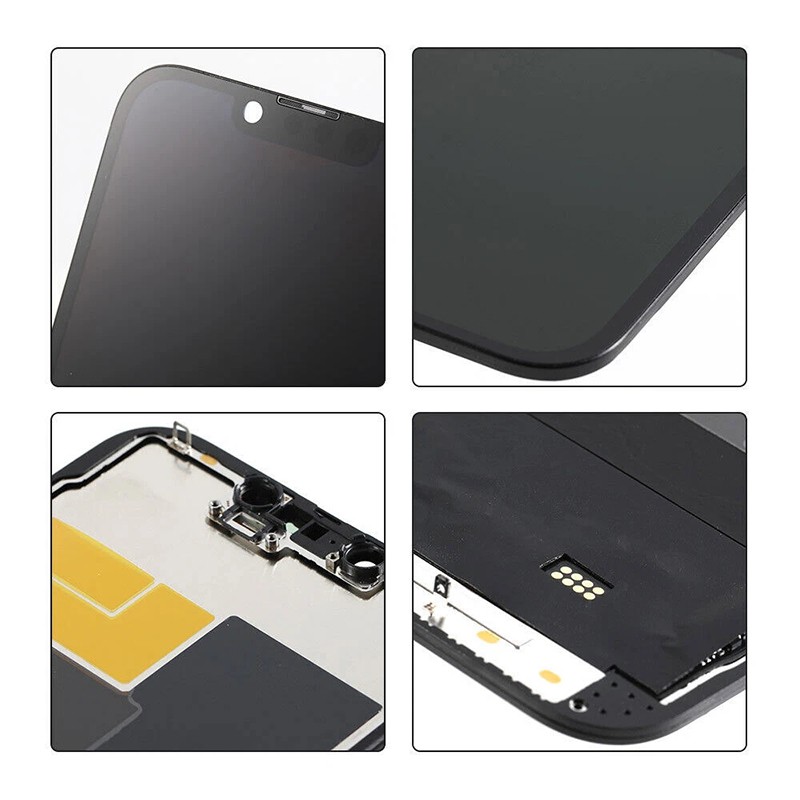
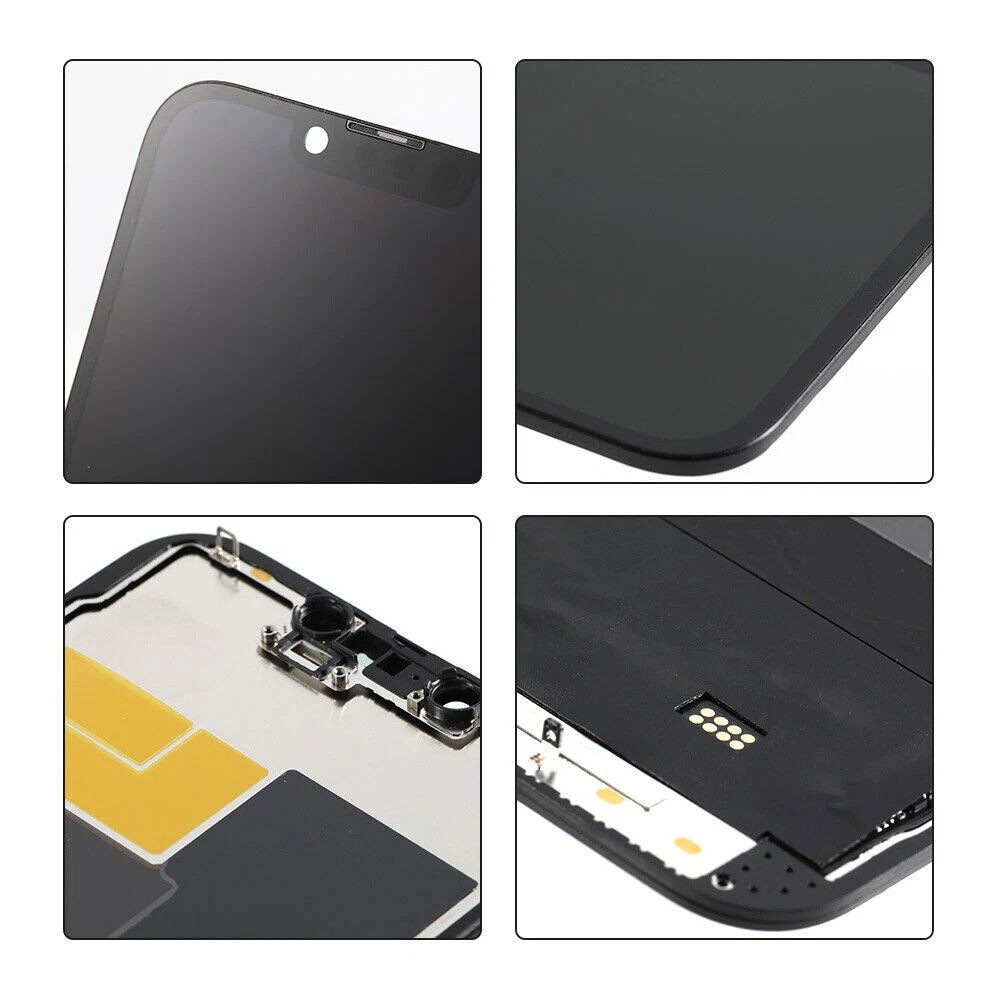
- Surface clarity: I polish the lens to reduce haze, making text and icons look cleaner.
These are small details, but they matter to repair stores that rely on repeat customers.
Why Long-Term Buyers Prefer a Factory With Steady Output
Wholesalers and chain repair shops deal with enough uncertainty on their own-inventory delays, customer demands, seasonal changes-so the last thing they need is unpredictable product quality. I stick to stable materials and fixed structures, and I don't change them mid-production unless I inform the buyer first.
I run brightness aging, touch aging, drop checks, and several rounds of manual inspection. I've noticed that some issues only show up after extended heat cycles or after a few hours of touch simulation, so I include those tests as well. This approach helps reduce long-term return rates, which is what most B2B partners care about most.
Straightforward Tips to Avoid Counterfeit or Mixed-Batch Screens
I often tell new buyers that identifying a reliable screen isn't complicated-you just need to look at the right details:
- Inspect the flex cable print for consistency.
- View the backlight on a full white screen; uneven brightness usually signals mixed materials.
- Compare the color tone with an original; extreme shifts are a red flag.
- Check if the proximity sensor area matches the correct transparency.
- Ask whether the seller can trace the batch number.
I put clear markings on every shipment so customers can verify the source without guessing.
Who This LCD Is Designed For
These panels work especially well for wholesalers who move steady volume, repair shops that value consistent batches, refurbishers who assemble their own frames, and sellers who want dependable stock for long-term orders. Each screen aims to reduce installation issues and returns, which helps businesses keep their workflow predictable.
Built for Partners Looking for Reliability, Not Just a Low Price
I make these Affordable iPhone 13 Pro Max LCD screens for companies that want a stable, trustworthy display source. My goal is straightforward: produce screens that technicians feel comfortable installing and that customers feel comfortable using every day. After more than ten years in this industry, I've learned that reliability speaks louder than anything else.
Packaging

Factory Display


Hot Tags: affordable iphone 13 pro max lcd screens, China affordable iphone 13 pro max lcd screens manufacturers, suppliers, factory, iPhone 13 Pro Max LCD Screen, lcd for iphone 13 series, iPhone 13 LCD Screen, iPhone 13 Pro LCD Screen, IPhone 13 Mini LCD Screen


