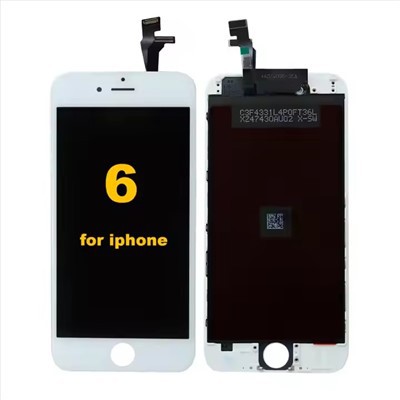
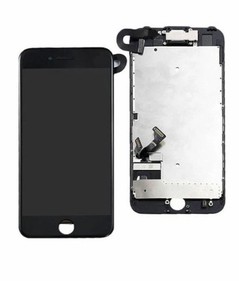
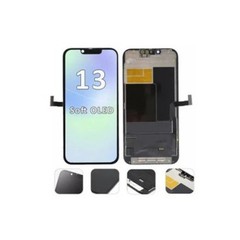
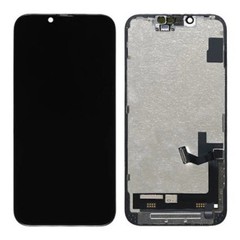
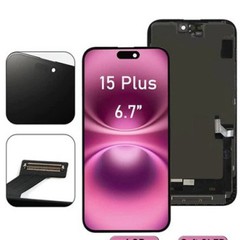
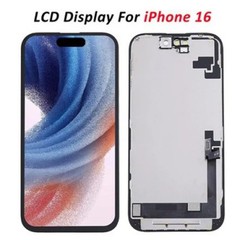

Hey there! As a supplier of iPhone 13 LCD screens, I've gotten a ton of questions about the touch latency differences between different iPhone 13 variants. So, I thought I'd dive deep into this topic and share what I've learned.
First off, let's talk about what touch latency is. In simple terms, it's the time it takes for your touch on the screen to register and for the device to respond. A lower touch latency means a more responsive screen, which is super important, especially for things like gaming or typing.
Now, the iPhone 13 series includes the iPhone 13, iPhone 13 Plus, iPhone 13 Pro, and iPhone 13 Pro Max. Each of these models has some unique features, and it's natural to wonder if they affect touch latency.
The iPhone 13 and 13 Plus come with a standard LCD screen. These screens are pretty good in terms of responsiveness. Apple has done a great job optimizing the touch technology on these devices. The touch latency on these models is generally low, which means you'll get a smooth and responsive touch experience. Whether you're scrolling through your social media feeds, swiping through photos, or typing a message, the screen responds quickly to your touch.
On the other hand, the iPhone 13 Pro and iPhone 13 Pro Max feature a ProMotion XDR display. This display technology has a variable refresh rate that can go up to 120Hz. A higher refresh rate generally means lower touch latency. When you're using these devices, you'll notice that the screen feels even more responsive. For example, when you're playing a fast - paced game, the ProMotion display can keep up with your rapid finger movements, giving you a more immersive gaming experience.
But does this mean that the standard LCD screens on the iPhone 13 and 13 Plus are bad? Not at all. The difference in touch latency between the standard LCD screens and the ProMotion displays is not huge for everyday tasks. For most users, the touch responsiveness on the iPhone 13 and 13 Plus is more than sufficient. However, if you're a power user, a gamer, or someone who really values that ultra - smooth and responsive touch experience, the ProMotion displays on the iPhone 13 Pro and Pro Max might be worth the extra cost.
There are also some factors that can affect touch latency on all iPhone 13 variants. For example, the software running on the device plays a big role. If your iPhone has a lot of background apps running or if it's due for a software update, it can slow down the touch responsiveness. Also, the condition of the screen matters. If the screen is dirty or has a scratch, it can interfere with the touch sensors and increase the touch latency.
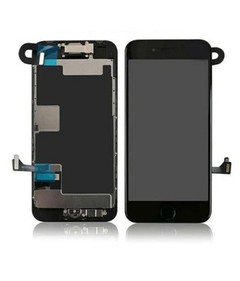
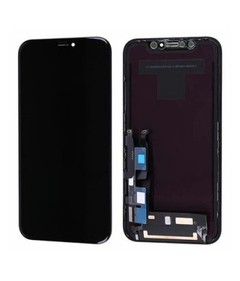
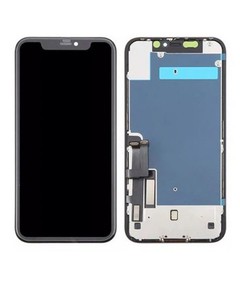
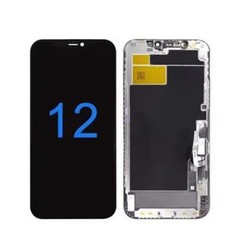
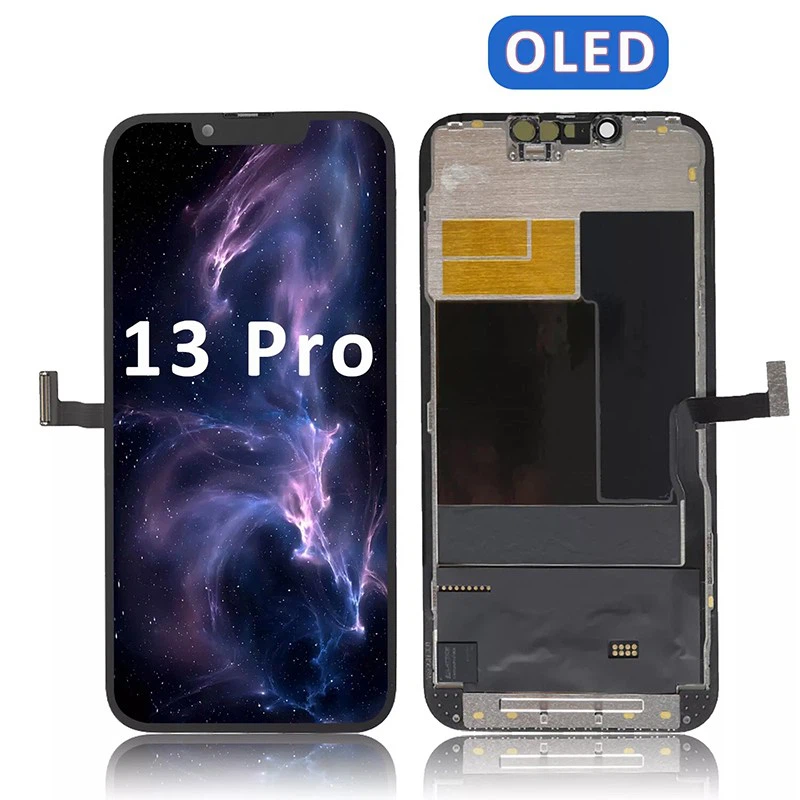
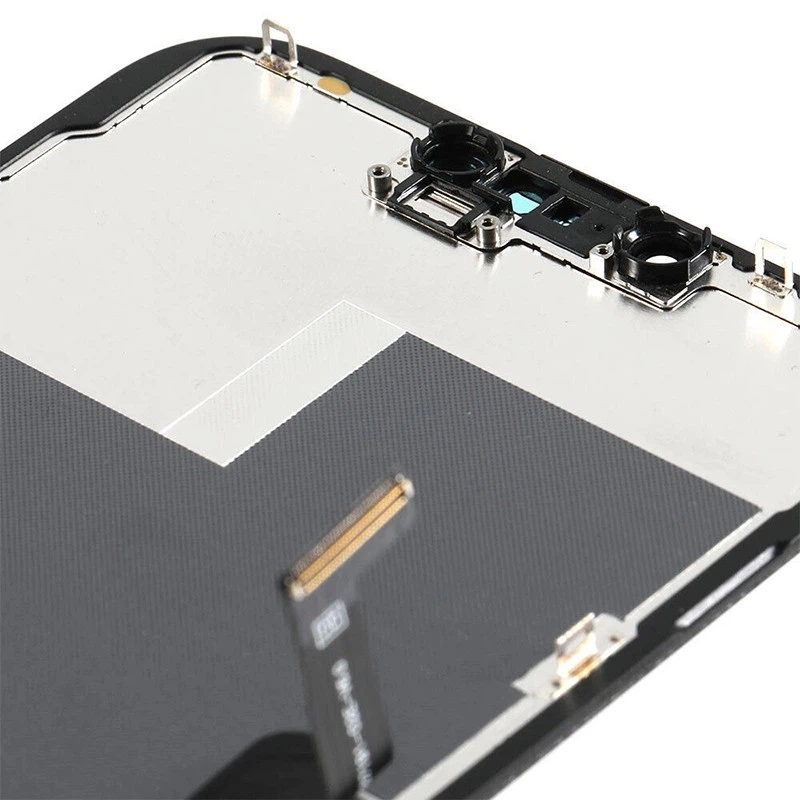
As a supplier of iPhone 13 LCD screens, I've seen firsthand how important it is to have a high - quality screen. Whether you're in the repair business or just looking to replace a broken screen, you want a screen that offers good touch responsiveness. That's why we make sure to source the best LCD screens for the iPhone 13 series. Our iPhone 13 Plus LCD Screen For Repair Business and iPhone 13 Pro Original Screen Replacement are designed to meet the high standards set by Apple.
If you're in the market for an iPhone 13 LCD screen, you might be wondering which one to choose. If you're replacing the screen on an iPhone 13 or 13 Plus, our standard LCD screens are a great option. They offer good touch responsiveness and are more affordable compared to the ProMotion displays. On the other hand, if you're replacing the screen on an iPhone 13 Pro or Pro Max, you might want to consider getting a ProMotion - compatible screen to maintain that high - end touch experience.
In conclusion, there are some differences in touch latency between the different iPhone 13 variants. The ProMotion displays on the iPhone 13 Pro and Pro Max offer a lower touch latency, especially for fast - paced tasks. However, the standard LCD screens on the iPhone 13 and 13 Plus are still very responsive and suitable for most users.
If you're interested in purchasing our iPhone 13 LCD screens, whether it's for repair or replacement, feel free to reach out. We're always here to help you find the right screen for your needs. We can provide you with more information about our products, answer any questions you might have, and assist you in the purchasing process.
References
- Apple official website
- Various tech review websites and blogs