

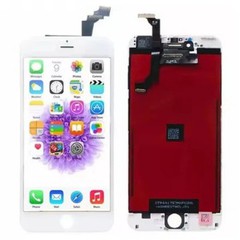
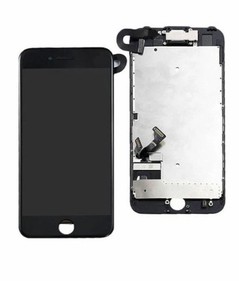
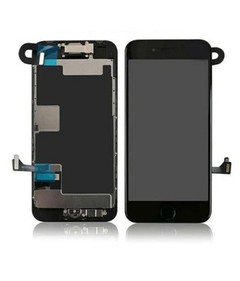
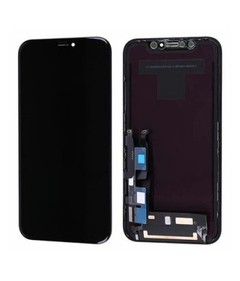
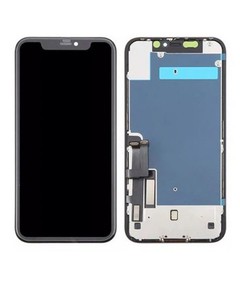
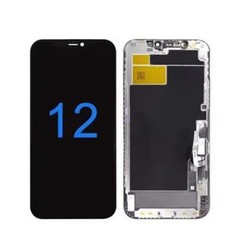
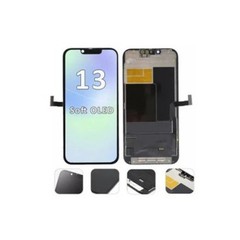
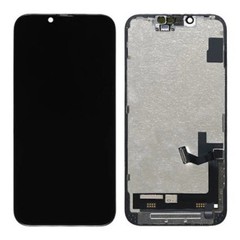
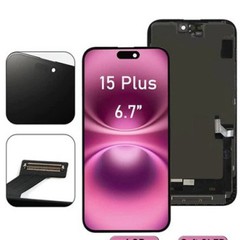
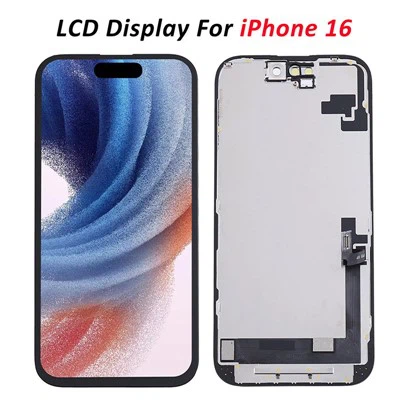
Selecting the best replacement part in the quickly changing field of smartphone repair and wholesale involves balancing performance, durability, and customer happiness in addition to price. The argument between LCD and OLED for replacing an iPhone screen is probably at the top of your list if you are a professional repairer or a large purchaser.
As 2026 approaches, Apple's shift to OLED is nearly over, but the LCD aftermarket is still unexpectedly strong. Which technology is genuinely "better" for your company and your customers? To assist you in making an informed decision, this thorough guide breaks down the technical distinctions, market trends, and cost-benefit analysis.
1. Understanding the Core Technology: How They Work
To understand which is better, we first need to look under the hood. The fundamental difference lies in how these screens produce light.
What is LCD (Liquid Crystal Display)?
LCD technology depends on a backlight, particularly Incell LCD in the contemporary aftermarket. Envision a huge white light panel at the rear of the screen. Liquid crystals in front of the light function as shutters, opening and closing to let particular amounts of light pass through color filters to produce an image.
Important Feature: When the screen is engaged, the backlight is always on throughout the panel.
Structure: Usually thicker since the backlight, polarizing filters, and liquid crystal layer are sandwiched between multiple layers.
What is OLED (Organic Light-Emitting Diode)?
OLED technology is self-emissive. On an OLED screen, each every pixel serves as a light source. On an OLED panel, the pixels that appear black are physically inactive.
"True Blacks" and unending contrast are key characteristics.
Structure: Because Soft OLED doesn't require a large backlight unit, it is thinner and more flexible.
2. Head-to-Head Comparison: LCD vs. OLED
| Feature | LCD (Incell) | OLED (Soft/Hard) |
| Color Contrast | Standard (Greyish Blacks) | Infinite (True Blacks) |
| Brightness | High & Consistent | Exceptional Peak (HDR) |
| Power Consumption | Constant | Low (especially in Dark Mode) |
| Thickness | Slightly Thicker | Ultra-Thin |
| Durability | High (No Burn-in) | Moderate (Risk of Burn-in) |
| Manufacturing Cost | Low (Budget Friendly) | High (Premium Pricing) |
| Flexibility | Rigid | Soft OLED is flexible |
3. Why Professional Repair Shops Still Choose Both
In the B2B sector, "better" is subjective. It depends on the iPhone model and the customer's budget.
The Case for LCD: The Value King
LCD replacements for models such as the iPhone 11 or even "budget" fixes for the iPhone 12/13 series are still in high demand in 2026.
Cost-Effectiveness: LCD provides a functioning repair at a fraction of the expense for clients with older devices or those who are price conscious.
Longevity: LCDs are less susceptible to "burn-in," a typical problem where static pictures, such as navigation bars, eventually leave a ghost image on OLED panels.
Outdoor Visibility: High-quality Incell LCDs are great for use in direct sunshine since they frequently offer highly constant brightness levels.
The Case for OLED: The Premium Standard
OLED is the best option for premium devices (iPhone 12 to iPhone 17 Pro Max).
Battery Life: Compared to an LCD, employing "Dark Mode" can save up to 15–30% of battery life because OLEDs have the ability to turn off pixels.
Aesthetics: OLED makes it possible for the black screen borders, or bezels, to be slimmer. A "chin" or broader margins are frequently the outcome of an LCD on a phone made for OLED.
Visual Experience: The vivid colors and 1,000,000:1 contrast ratio are indispensable for gamers and movie viewers.
4. The Industry Secret: Soft OLED vs. Hard OLED
There are two kinds of OLED if you are purchasing from a seller such as Shenzhen Huikaicheng Technology. Your reputation depends on your ability to recognize the difference.
Hard OLED: Constructed using a glass substrate. It is more delicate but less expensive. A drop may "kill" the inside Hard OLED display even if it didn't break the exterior glass.
Soft OLED: Similar to the original Apple panels, it is constructed on a flexible plastic substrate. It provides superior color accuracy, is far more impact-resistant, and seamlessly fits into the frame.
Pro Tip: Soft OLED is always recommended for high-end repairs. It guarantees that the "True Tone" and haptic touch feel just like the original and lowers your RMA (return) rate.
5. Market Trends 2026: Where is the Industry Heading?
In 2026, the global display market is projected to grow to $164.9 billion. Although almost 60% of new smartphones are OLED, the repair industry is a different story.
Sustainable Repair: As consumers use their phones longer, there is a constant need for reasonably priced LCD replacements for "second-tier" smartphones.
Technological Parity: Incell LCD technology has been enhanced by top-tier Shenzhen manufacturers to the point that the color gamut currently surpasses 90% of the original OLED performance, making it a competitive "Grade A" substitute.
6. Partner with a Leader: Shenzhen Huikaicheng Technology Co., Ltd.
Your supplier is your most valuable resource for negotiating the complexity of LCD vs. OLED.
Shenzhen Huikaicheng Technology Co., Ltd. is your high-tech display industry partner, not just a supplier. Located in Shenzhen, the center of Silicon Valley, China, we are experts in the development and manufacturing of high-end mobile phone screens.
Why Source From Us?
Precision Engineering: We combine a rigorous quality control attitude with cutting-edge manufacturing. Each screen is put through a thorough testing process for power draw, touch sensitivity, and color calibration.
Diverse Inventory: We can provide both affordable Incell LCD for mass refurbishing and high-end Soft OLED for the newest iPhone Pro models.
Global Logistics: We guarantee that your repair shop or wholesale company keeps ahead of the competition by offering exceptional display solutions to clients globally.
Contact Our Export Team Today:
Experience the difference that professional Chinese manufacturing can make for your bottom line.
WhatsApp/Phone: +86 18279539802
Email: sales@phone-lcd-parts.com
Website: www.phone-lcd-parts.com
Conclusion: Which is Better?
So, LCD vs OLED: Which is better?
If your customers want unique performance, vivid colors, and optimal battery economy, go for OLED (more especially, Soft OLED).
If you are looking to restore older models, target the budget-conscious market, or require a display that is durable and resistant to burn-in, go with LCD.
We offer the finest of both worlds at Shenzhen Huikaicheng Technology. Our goal is to make sure that each screen you place improves the quality reputation of your company.
For our most recent Soft OLED and Incell LCD series, would you like a personalized wholesale price list? Get in touch with us right now, and together, let's expand your company.


