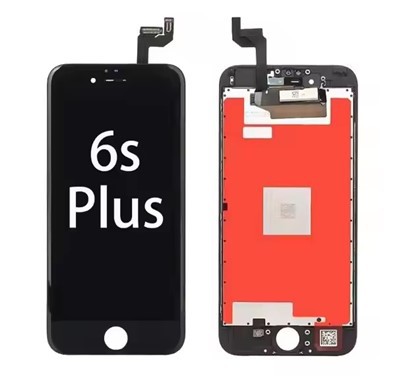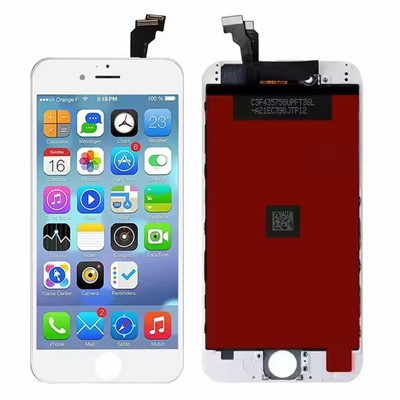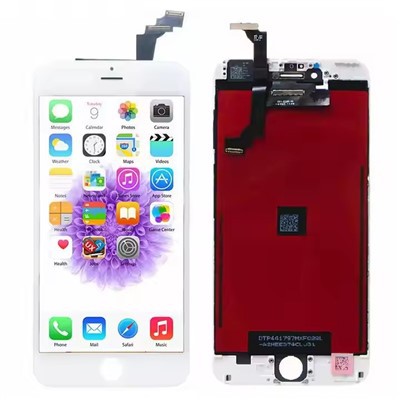
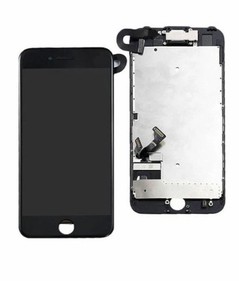
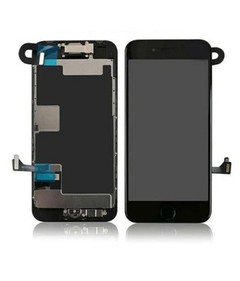
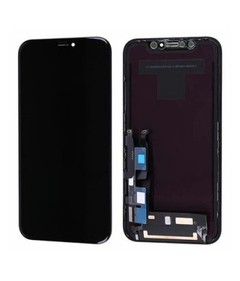
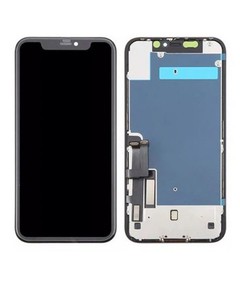
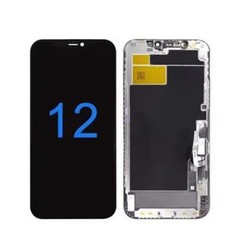
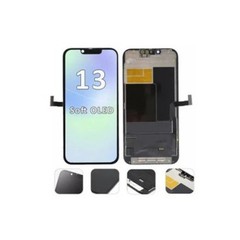
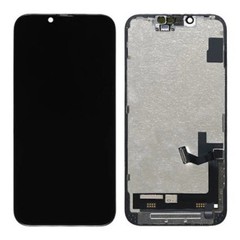
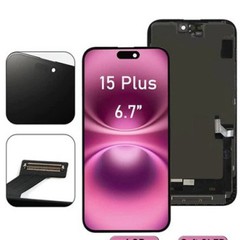
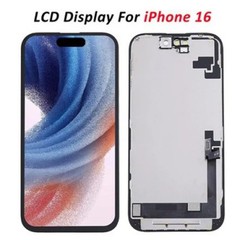


After spending years repairing iPhones every day, I've seen just about every type of screen issue. When someone asks me to change iPhone 6s Plus screen, I don't just grab any LCD I can find. I look at brightness, touch response, color tone, and even how solid the frame feels during installation.
Because I'm involved in iPhone LCD supply chain management, I understand how different factories operate. Some keep their quality consistent, while others cut corners and cause problems like flickering, color shifts, dim displays, or loose frames. I've dealt with issues like these more times than I can count, so now I only choose LCDs that hold up well in real repair work.
Why I Prefer This LCD
When I look for iPhone LCD replacement parts wholesale, I check:
- Whether the brightness stays stable
- Whether the color temperature shifts
- Whether the touch responds immediately
- Whether the polarizer and backlight behave correctly
- Whether the frame sits tight without lifting
These details might sound small, but they make all the difference in avoiding returns and customer complaints.

When I Recommend a Screen Replacement

I usually suggest replacing the screen when I see:
- Cracked or shattered glass
- Brightness flickering or dropping randomly
- Touch response acting up
- Light leakage or blotchy colors
- Vertical lines or black dots
For jobs like change iPhone 6s Plus screen, I choose AAA-grade panels because they install smoothly and stay reliable after the repair.
What Actually Matters in a Good LCD
Competitive advantage
The company conducted a competitive advantage analysis to identify its strengths and weaknesses compared to its rivals.
Brightness That Doesn't Look Dull
Brightness is always the first thing I test. Dim or grey-looking screens make the whole phone feel cheap. A good LCD should look clean, bright, and crisp right from the moment it turns on.
01
Touch That Feels Natural
I always swipe around the screen for a bit. If it feels jumpy, delayed, or misses touches, I toss it aside. I want something that reacts immediately to every tap and gesture.
02
Colors That Look Normal
I avoid screens with strange yellow or blue tints. A proper LCD keeps colors natural and consistent. If skin tones look off when I open a photo, I switch to another screen.
03
Strong Frame and Durable Flex Cables
Weak frames and fragile flex cables slow down repairs and lead to extra problems. The screens I use come with solid frames and flex cables that handle installation without tearing or creasing.
04
AAA Quality Makes the Job Easier
After testing countless LCDs, I can say that AAA quality iPhone LCD wholesale parts give me the fewest issues. They're not perfect, but they're predictable-and that matters a lot in fast repair work.
05
Technical Specs
|
Item |
Details |
|
Display Type |
LCD Multi-Touch |
|
Frame |
High-strength molded frame |
|
Brightness |
450–550 nits |
|
Color |
Natural tone, close to original |
|
Touch |
Fast-response capacitive IC |
|
Compatibility |
6s Plus and other LCD-based iPhones |
|
Quality |
AAA Grade |

Why I Buy Wholesale

When I purchase iPhone LCD replacement parts wholesale, I stick to suppliers who maintain consistent quality. This helps me:
- Keep each batch steady
- Avoid random color shifts
- Lower return rates
- Speed up repair work
Since I understand iPhone LCD supply chain management, I can tell quickly which suppliers take quality seriously and which ones don't.
Before You Order
I recommend checking:
- Your exact iPhone model
- The quality grade you want (AAA works best for most repairs)
- Whether you're buying for personal use, a repair shop, or refurbishing work
If you want something stable and predictable, AAA quality iPhone LCD wholesale parts are usually the safest choice.

Packaging

Factory Display


Hot Tags: change iphone 6s plus screen, China change iphone 6s plus screen manufacturers, suppliers, factory, iPhone 6 Plus LCD Screen, , iPhone 6S LCD Screen, , iPhone 6S Plus LCD Screen