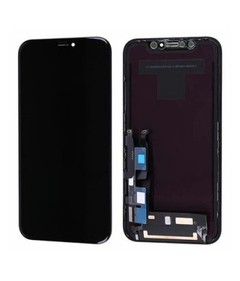
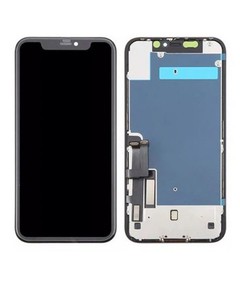
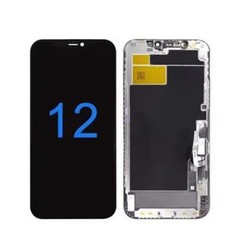
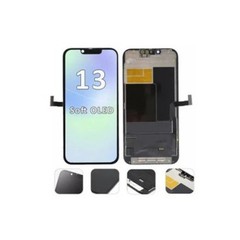
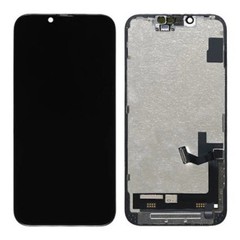
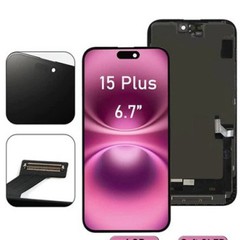
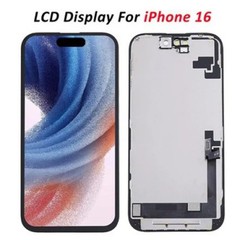


Reliable iPhone 12 Pro Screen Wholesale & Bulk Supply Solutions
"Partner with a leading manufacturer for high-standard iPhone 12 Pro screen replacement wholesale. We provide scalable supply chains, rigorous quality control, and dedicated B2B trade support for global repair businesses and distributors."
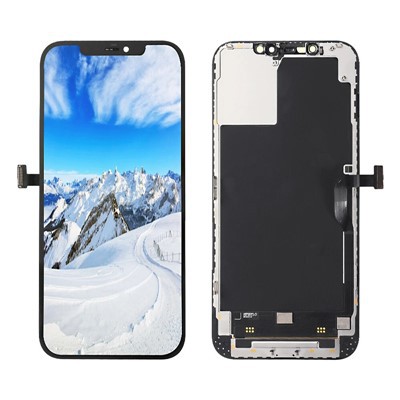
I have been building iPhone LCD screens for more than ten years now, and during that time I learned that wholesalers and repair chains care about two things above everything else: steady quality and predictable supply. Many buyers reach out to me specifically for iPhone 12 Pro screen wholesale purchase because they want something reliable-something made under controlled conditions, not a mix of parts from different sources.
This LCD fits that type of customer. It doesn't pretend to be anything fancy; it's simply a well-built screen that performs consistently in real repair environments. I design it with day-to-day repair work in mind rather than lab-style perfection.
Why I Offer LCD-Only for High-Volume Buyers

Some clients approach me asking for OEM Quality iPhone 12 Pro Screen Wholesale Purchase – LCD Only, Factory Production for Large Quantity Orders, and usually their reason is the same. They want a screen that behaves well but keeps cost under control, especially when the shop is repairing hundreds of phones a week.
I supply LCD-only units because many technicians prefer using the original frame and minor parts from the customer's device. It allows them to finish repairs faster and keep pricing manageable. This option also gives wholesalers more flexibility: they can sell to small repair shops, large chains, mobile refurbishers, and online parts resellers without changing inventory.
I run large batches frequently, but I still check the first few dozen units personally. After years in the factory, I can spot color shifts, uneven light, or touch delays almost instantly. Machines help, but experience fills the gaps.
How I Actually Produce the Screens
Every manufacturer has their own way of explaining the iPhone screen production workflow, but I'll describe mine the way I live through it every day.
Production usually starts with the LCD cell. I match it with the backlight unit and control the pressure precisely during bonding; a slight variation can cause bleeding later. The IC bonding step needs careful alignment, so I watch the machine readings closely. If something feels off, I stop the line. Some things you just sense with time.
The polarizer goes on next. I use a type that holds up well under heat because many repair shops use warmers to open phones. Then a long series of brightness and uniformity checks follow-these catch most early issues. Before I pack anything, I run an aging test. This step takes time, but skipping it always leads to trouble down the road.
This workflow didn't come together overnight. It grew from constant adjustments and improvements, sometimes small ones nobody else would even notice.

Why I Stick to High-Purity Glass
Over the years, I tried plenty of glass options, but I eventually settled on high purity glass for iPhone screens. It simply holds up better. The clarity stays sharp, the surface resists micro-scratches, and it handles pressure during installation without giving that faint "rainbow stress" effect some cheaper glass shows.
Technicians tell me they prefer screens that don't return with customer complaints, and high-purity glass helps me achieve that. It also makes the touch panel more responsive and keeps the backlight color stable.
Compatibility and Practical Differences
The LCD fits all iPhone 12 Pro versions. I match the flex cable layout carefully so technicians can install it without surprises. That said, LCD and OLED behave differently, and I believe in being upfront about it.
Strategic Partnership for iPhone 12 Pro Screen Wholesale
As a seasoned provider of mobile parts, we recognize that dependability is essential to your company. With tiered pricing, steady inventory levels, and a smooth procurement process, our iPhone 12 Pro screen wholesale program was created especially for large purchasers. We offer the industrial-grade stability you want, whether you are a regional distributor or a large-scale refurbisher.
Original vs. Factory LCD
|
Category |
Original 12 Pro Screen |
My LCD Screen |
|
Panel Type |
OLED |
LCD |
|
Image Style |
High contrast, deeper blacks |
More natural tone |
|
Power Use |
Lower |
A bit higher |
|
Brightness |
Higher at peak |
Steady but lower |
|
Durability |
Very strong |
Strong, reinforced glass |
|
Price Level |
Premium |
Practical for wholesale |
Most wholesalers choose the LCD option because it handles everyday repair needs without putting too much pressure on the customer's budget.
Tips I Share With Technicians

I worked with repair shops for years, so I hear their stories-good and bad. To help avoid common issues, I usually suggest a few simple steps:
- Always shut down the phone before opening it.
- Move Face ID and sensor parts slowly and carefully-their flexes tear easily.
- Use gentle heat when lifting the old screen; it keeps the frame from warping.
- Test the new screen before sealing the phone. A minute of testing saves a lot of trouble later.
- Treat the flex cable gently. It's stronger than it looks, but not by much.
Small habits like these keep the replacement process smoother and help shops maintain a good reputation.
Who This Product Is Built For
I create this screen mainly for wholesalers, distributors, and multi-store repair chains. These customers need steady supply, predictable quality, and delivery that doesn't interrupt their business. I focus heavily on those points because a screen is more than just a part-it affects the customer's workflow, sales cycle, and service reputation.
When buyers choose this LCD, they usually want something simple: a dependable screen that matches their business model and doesn't create unnecessary headaches. That's the purpose behind this product.
Why We Are a Trustworthy Partner: Our Triple-Stage QC Process
Inspection of Raw Materials: All flex cables and IC chips come from Tier-1 producers and are pre-tested for compatibility.
Functionality testing: 100% examination of touch sensitivity, color gamut (True Tone support), and display brightness by qualified testers.
Aging & Durability Test: To guarantee long-term performance after installation, random batch testing is conducted at high temperatures.
Authentication prompt

Verified Quality: Your imports will satisfy local regulatory requirements because our production facilities and products adhere to ISO 9001:2015, CE, and RoHS standards.
Packaging of Industrial Quality for International Transportation
By utilizing strengthened shockproof outer boxes and unique anti-static packaging, we reduce your RMA rate. No matter the distance, your iPhone 12 Pro screen wholesale purchase will arrive in perfect condition thanks to our bulk packing method, which is suited for international air and sea freight.
Individual anti-static blister packs are inside.
Outside: Foam-cushioned corrugated containers with multiple layers.
Packaging

Factory Display


Request a Wholesale Catalog and Bulk Quote
Are you looking for special pricing for purchases of more than 100 units? For a comprehensive quote, lead time estimates, and customized logistics solutions, get in touch with our trade experts right now.
[Obtain Wholesale Pricing Right Now]
Hot Tags: iphone 12 pro screen wholesale purchase, China iphone 12 pro screen wholesale purchase manufacturers, suppliers, factory, lcd for iphone 12 series, iPhone 12 Pro LCD Screen, iPhone 12 LCD Screen, iPhone 12 Mini LCD Screen, iPhone 12 Pro Max LCD Screen