

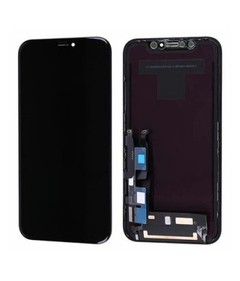
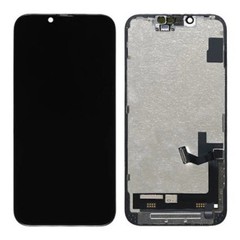

As a supplier of iPhone X LCD screens, I've delved deep into the technical aspects of these displays, especially when it comes to power efficiency. In this blog, I'll share insights into what makes the iPhone X LCD screen's power efficiency tick, how it compares to other models, and why it matters for both users and businesses.
Understanding Power Efficiency in LCD Screens
Power efficiency in LCD (Liquid Crystal Display) screens is a measure of how effectively the screen converts electrical energy into visible light. It's crucial because it directly impacts the battery life of the device. A more power - efficient screen means the device can run longer on a single charge, which is a highly desirable feature for consumers.
LCD screens work by using a backlight to illuminate the liquid crystals that form the images. The backlight is the main power consumer in an LCD display. There are different types of backlights, but the most common ones in smartphones are Edge - Lit LED (Light - Emitting Diode) backlights, which are used in the iPhone X LCD screen.
Power Efficiency of the iPhone X LCD Screen
The iPhone X LCD screen is designed with several features to optimize power consumption. One of the key factors is the use of a high - quality LED backlight. Apple has engineered these LEDs to be more energy - efficient, emitting the right amount of light while consuming less power.
The display also has an advanced power management system. It can adjust the brightness of the backlight based on the ambient light conditions. For example, in a well - lit environment, the screen can increase its brightness to make the content more visible, but in a dimly lit room, it can lower the brightness significantly, reducing power consumption.
Another aspect is the pixel density and the way the liquid crystals are controlled. The iPhone X LCD screen has a high pixel density, which allows for sharp and clear images. At the same time, the liquid crystal control mechanism is optimized to minimize the power needed to change the state of each pixel.
Comparison with Other iPhone Models
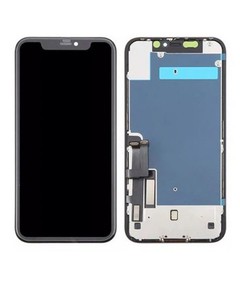
When comparing the power efficiency of the iPhone X LCD screen with other iPhone models, such as the iPhone XR, there are some interesting differences. The iPhone XR LCD Screen also uses an LCD display with an LED backlight. However, the iPhone XR has a larger screen size, which means a larger backlight area and potentially higher power consumption.
On the other hand, the iPhone XR has some power - saving features of its own. It has a more advanced True Tone display technology that can adjust the color temperature of the screen based on the ambient light, which can also contribute to power savings in certain situations.
The IPhone XR Screen Replacement Cheap option is popular among users who want to replace a damaged screen without spending a fortune. These replacement screens are designed to be as power - efficient as the original ones, ensuring that the device's battery life is not compromised.
The OEM IPhone XR Screen Replacement is another option for those who prefer a more authentic replacement. OEM screens are made to the same specifications as the original screens, including the power - efficiency features.
Why Power Efficiency Matters
For users, power efficiency means longer battery life. This is especially important in today's digital age, where people rely on their smartphones for a wide range of tasks, from communication and entertainment to work. A phone with a power - efficient screen can last through a full day of use without the need for frequent charging.
For businesses, power efficiency is also crucial. As a supplier of iPhone X LCD screens, I understand that power - efficient screens are more attractive to customers. They can reduce the overall cost of ownership for the end - user, as they don't need to replace the battery as often. This can lead to higher customer satisfaction and loyalty.
In addition, power - efficient screens are more environmentally friendly. By consuming less power, they reduce the overall energy consumption and carbon footprint of the device. This is in line with the growing trend of sustainability in the electronics industry.


How We Ensure Power Efficiency in Our Screens
As a supplier, we take several steps to ensure that the iPhone X LCD screens we provide are power - efficient. First, we source high - quality components for the backlight and the liquid crystal panels. We work with trusted manufacturers who have a reputation for producing energy - efficient parts.
We also conduct rigorous testing on our screens. We measure the power consumption under different conditions, such as different brightness levels and ambient light conditions. This allows us to identify any areas where the power efficiency can be improved and make the necessary adjustments.
Our quality control process includes checking the power management system of the screens. We ensure that the brightness adjustment and other power - saving features are working correctly. Any screens that do not meet our power - efficiency standards are rejected.
Conclusion
The power efficiency of the iPhone X LCD screen is a result of advanced engineering and design. It offers a balance between high - quality display performance and low power consumption. Whether you're a user looking for a phone that can last all day or a business looking for a reliable and energy - efficient screen supplier, understanding the power efficiency of these screens is essential.
If you're interested in purchasing iPhone X LCD screens or have any questions about our products, we'd love to hear from you. Contact us to start a conversation about your specific needs and how we can provide you with the best - quality, power - efficient screens.
References
- Apple Inc. Technical documentation on iPhone X and iPhone XR displays.
- Industry research reports on LCD screen power efficiency.


