

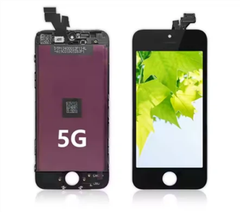
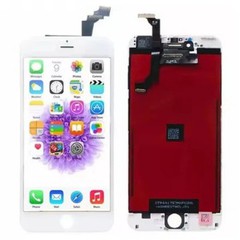
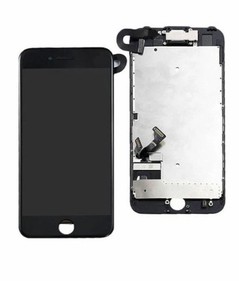
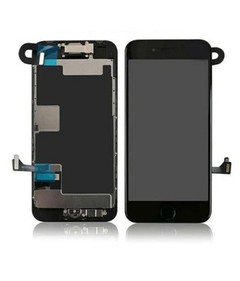
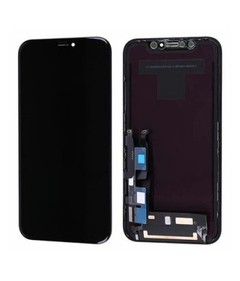
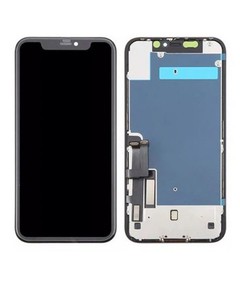
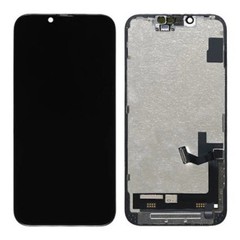

Hey there! As a supplier of iPhone XR LCD screens, I've been getting a ton of questions lately about how the iPhone XR LCD screen stacks up against OLED screens. So, I thought I'd take a deep dive into this topic and share my insights with you all.
Let's start with the basics. The iPhone XR comes with a Liquid Retina LCD display, while other models like the IPhone XS Max Phone Screen and IPhone XS Front Screen feature OLED displays. Each type of screen has its own set of pros and cons, and understanding these differences can help you make an informed decision when it comes to choosing a device.
Picture Quality
One of the first things people notice when comparing LCD and OLED screens is the picture quality. OLED screens are known for their deep blacks and vibrant colors. Since each pixel in an OLED display can be turned off individually, it can achieve true black levels. This results in a higher contrast ratio, which makes images and videos look more vivid and realistic. For example, when you're watching a movie with a lot of dark scenes, the blacks on an OLED screen will appear truly black, enhancing the overall viewing experience.
On the other hand, LCD screens like the one on the iPhone XR use a backlight to illuminate the pixels. This means that even when the display is showing black, there's still some light leakage from the backlight. As a result, the blacks on an LCD screen are not as deep as those on an OLED screen, and the contrast ratio is lower. However, the iPhone XR's LCD display still offers excellent color accuracy and sharpness. Apple has done a great job of optimizing the display to deliver a great viewing experience. The colors are bright and saturated, and the text is easy to read even in bright sunlight.
Power Consumption
Power consumption is another important factor to consider. OLED screens are generally more energy - efficient than LCD screens, especially when displaying dark content. Since OLED pixels can be turned off completely, they don't consume any power when showing black. This is a huge advantage when you're using apps with a lot of dark backgrounds, such as reading e - books or using the night mode on social media apps.
The iPhone XR's LCD screen, on the other hand, has a constant backlight that consumes power regardless of the content being displayed. However, Apple has made some improvements to the power efficiency of the iPhone XR's LCD display. The Liquid Retina technology used in the iPhone XR reduces power consumption compared to traditional LCD displays. Still, if you're someone who spends a lot of time looking at dark - themed content, an OLED - equipped device might be more power - friendly in the long run.
Viewing Angles
Viewing angles can also vary between LCD and OLED screens. OLED screens offer excellent viewing angles. You can view an OLED display from almost any angle without noticing a significant drop in color accuracy or contrast. This is great for sharing your screen with friends or for using your phone in different positions.
LCD screens, including the one on the iPhone XR, have more limited viewing angles. When you view the screen from a steep angle, the colors may appear washed out, and the contrast may decrease. However, in normal, straight - on viewing, the iPhone XR's LCD display looks great. You'll only notice the difference in viewing angles if you're deliberately looking at the screen from an extreme angle.
Durability
When it comes to durability, LCD screens have an edge over OLED screens. OLED screens are more prone to burn - in, which occurs when a static image is displayed on the screen for a long time. This can cause permanent damage to the pixels, resulting in a ghost image that remains on the screen even when the content changes. This is a particular concern for users who often leave their screens on the same app or screen for extended periods, such as gamers or those who use their phones for work.
LCD screens, like the one on the iPhone XR, are not susceptible to burn - in. They are generally more robust and can withstand long - term use without developing this issue. Additionally, the iPhone XR's LCD display is protected by a tough glass cover, which helps prevent scratches and damage from everyday use.
Cost
Cost is always a factor when making a purchasing decision. OLED screens are more expensive to produce than LCD screens. This is reflected in the price of the devices that use them. The iPhone XR, with its LCD screen, is generally more affordable than the New Screen For IPhone XS Max and other OLED - equipped iPhones. If you're on a budget, the iPhone XR's LCD screen offers a great balance of features and performance at a lower cost.
Which One is Right for You?
So, which screen type is right for you? Well, it depends on your priorities. If you're a photography or video enthusiast who values deep blacks, high contrast ratios, and excellent viewing angles, an OLED screen might be the way to go. The vibrant colors and true black levels will make your media look stunning.

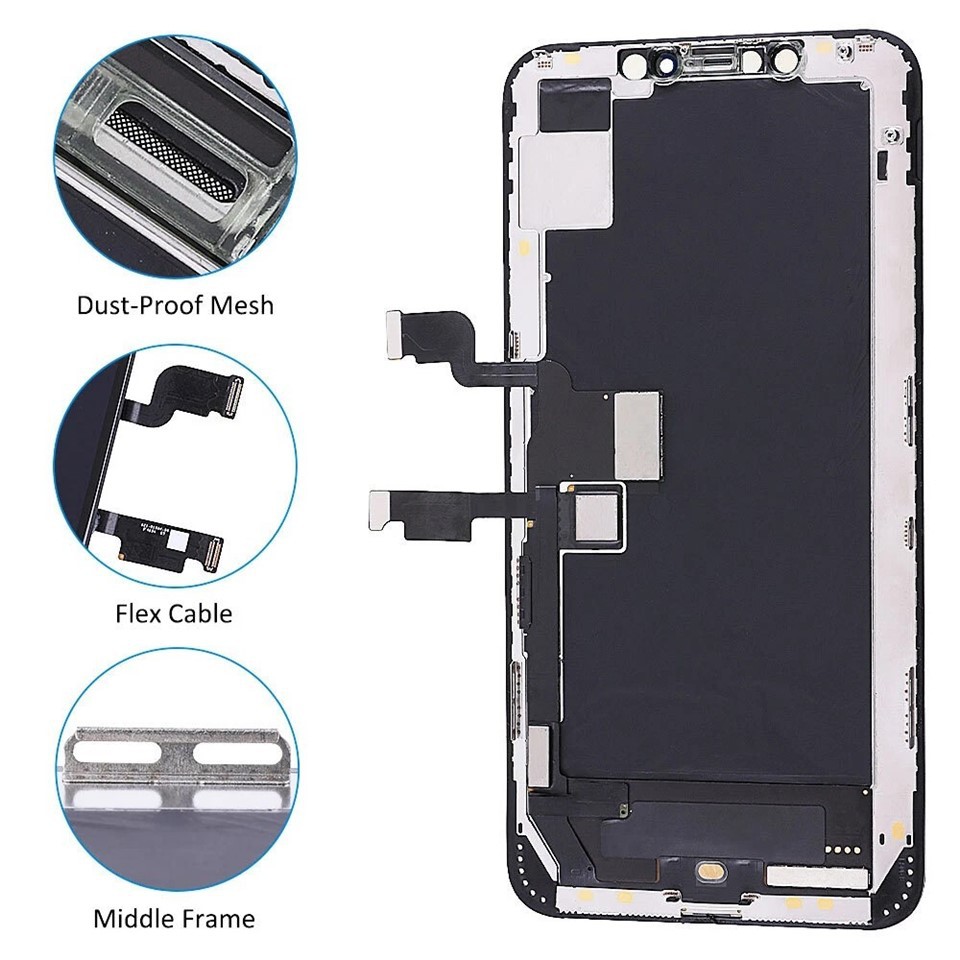
On the other hand, if you're more concerned about durability, power efficiency for a wide range of content, and cost, the iPhone XR's LCD screen is a great choice. It offers good picture quality, is resistant to burn - in, and won't break the bank.
As a supplier of iPhone XR LCD screens, I can attest to the quality and reliability of these displays. We source our screens from top - notch manufacturers and ensure that they meet the highest standards. Whether you're a repair shop looking to stock up on replacement screens or an individual in need of a new screen for your iPhone XR, we've got you covered.
If you're interested in purchasing iPhone XR LCD screens, I'd love to have a chat with you. Just reach out, and we can discuss your specific needs and requirements. We offer competitive prices, fast shipping, and excellent customer service. Let's work together to get you the best iPhone XR LCD screens on the market.
References
- Apple official website for technical specifications of iPhone XR and OLED - equipped iPhones.
- Tech review websites and blogs for in - depth analysis of LCD and OLED screen technologies.


