

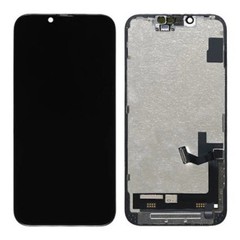
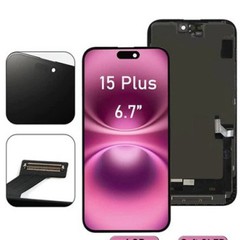
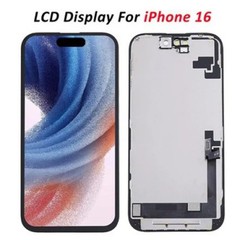

Hey there! As a supplier of iPhone 8 LCD Screens, I often get asked a bunch of questions about these screens, and one that pops up quite a bit is, "Can the iPhone 8 LCD screen be calibrated for better color accuracy?" Well, let's dive right into it.
First off, let's talk a bit about what color calibration actually is. In simple terms, color calibration is the process of adjusting the colors on a screen so that they match a specific standard or reference. This is super important because it ensures that what you see on your screen is as close as possible to the real - world colors. For photographers, graphic designers, and even regular users who just want to enjoy high - quality visuals, accurate color representation is key.
Now, the iPhone 8 comes with a pretty decent LCD screen out of the box. Apple has always been known for its attention to detail when it comes to display quality. The iPhone 8 LCD screen offers good color saturation, contrast, and sharpness. But like any other display, it can benefit from calibration.
There are a few reasons why you might want to calibrate your iPhone 8 LCD screen. Maybe you've noticed that the colors seem a bit off, or perhaps you're using your phone for professional work where color accuracy is crucial. Whatever the reason, calibration can make a significant difference.
So, can it be done? The short answer is yes. There are a few ways to calibrate the iPhone 8 LCD screen. One option is to use the built - in display settings on the phone. On your iPhone 8, you can go to "Settings," then "Display & Brightness," and from there, you can adjust things like the color temperature. You can choose between a warmer or cooler color tone depending on your preference. This is a basic form of calibration that can help you fine - tune the colors to your liking.
Another way to achieve more precise color calibration is by using third - party apps. There are several apps available on the App Store that are specifically designed for screen calibration. These apps usually work by displaying a series of test patterns and colors, and then guiding you through the process of adjusting the screen settings to match a reference standard. Some of these apps even use the phone's built - in sensors to measure the ambient light and adjust the screen colors accordingly.
However, it's important to note that while these methods can improve color accuracy, they have their limitations. The built - in settings on the iPhone 8 are relatively basic and may not provide the level of precision needed for professional applications. Third - party apps, on the other hand, rely on the phone's hardware capabilities, and the accuracy of the calibration may be affected by factors such as the quality of the screen itself.
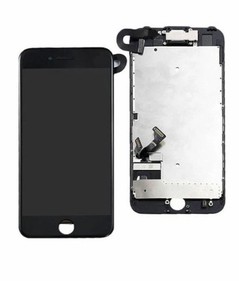
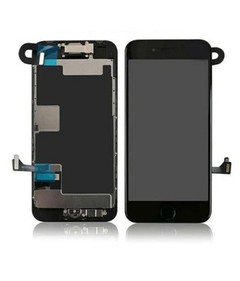
As a supplier of iPhone 8 LCD Screen, I can tell you that the quality of the screen plays a huge role in color accuracy. Our iPhone 8 LCD screens are made using high - quality materials and advanced manufacturing processes. We ensure that each screen meets strict quality standards, which means that they have a good baseline for color accuracy. But even with a high - quality screen, calibration can still enhance the viewing experience.
If you're using an iPhone 8 Plus, we also offer iPhone 8 Plus LCD Screen. The iPhone 8 Plus has a larger screen, which can be great for multimedia consumption and professional work. And just like the iPhone 8, its LCD screen can also be calibrated for better color accuracy.
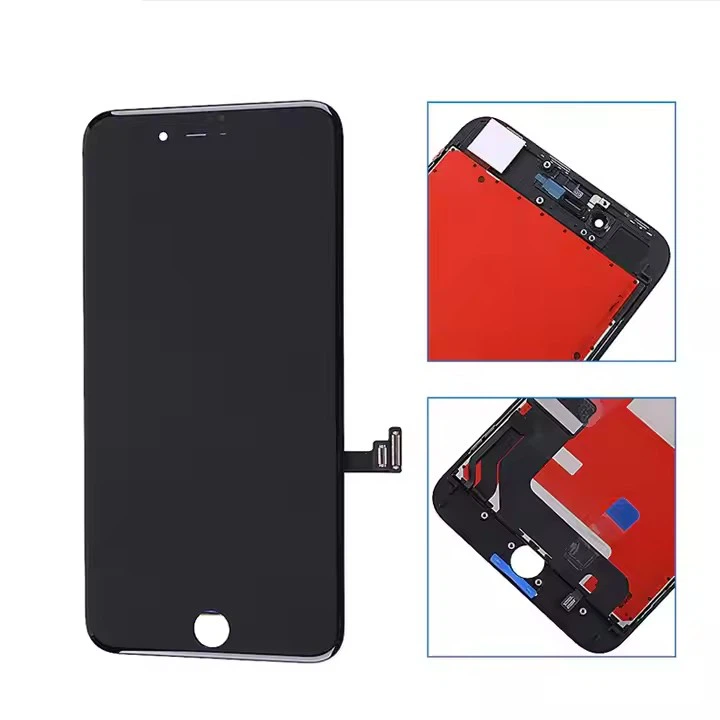
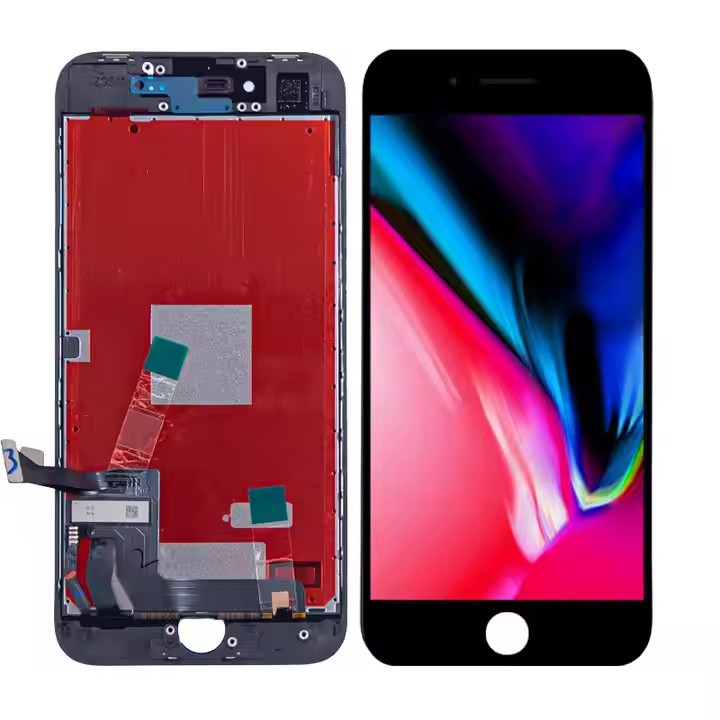
When it comes to choosing the right LCD screen for your iPhone 8 or iPhone 8 Plus, it's important to consider factors such as the quality of the display, the color accuracy, and the durability. Our screens are designed to be long - lasting and provide a great viewing experience. We've had many customers who have been satisfied with the color accuracy of our screens, even before calibration.
Now, let's talk about the benefits of having a well - calibrated iPhone 8 LCD screen. For starters, it can enhance your overall viewing experience. Whether you're watching movies, playing games, or looking at photos, accurate colors make everything look more vibrant and realistic. It can also improve your productivity if you're using your phone for work. For example, if you're a graphic designer, having a calibrated screen can help you make more accurate color decisions.
In addition to the visual benefits, a calibrated screen can also save your eyes. When the colors on the screen are accurate, it reduces eye strain, especially if you spend a lot of time looking at your phone. This is because your eyes don't have to work as hard to interpret the colors.
If you're in the market for a new iPhone 8 LCD screen or an iPhone 8 Plus LCD screen, and you're interested in achieving the best color accuracy possible, we're here to help. We can provide you with high - quality screens that are a great starting point for calibration. And if you have any questions about calibration or our products, feel free to reach out to us. We're always happy to assist you in making the right choice.
In conclusion, the iPhone 8 LCD screen can definitely be calibrated for better color accuracy. Whether you use the built - in settings or third - party apps, calibration can make a big difference in the way your phone looks and performs. And if you're looking for a reliable supplier of iPhone 8 and iPhone 8 Plus LCD screens, we've got you covered. Contact us today to start a conversation about your needs and how we can help you get the best out of your iPhone's display.
References
- Apple Support: Information on iPhone 8 display settings
- Various third - party app descriptions on the App Store for screen calibration


